The mistake most homeowners make with wood-look tile is choosing on grain pattern alone, then realizing six months later that the grout lines bother them or that the surface feels cold underfoot in February. Oak tile flooring is the porcelain version of oak plank, and when specified correctly it delivers the look of real white or red oak with the durability of fired ceramic, the waterproof performance of a swimming pool, and a wear surface that survives 20+ years without refinishing.
Part of our Tile & Grout guide — explore the full guide →
- What “Oak Tile” Actually Means
- Brand Leaders Worth Pricing
- Why Porcelain Beats LVP in High-Performance Rooms
- Plank Size and Grout Joint Choices
- Subfloor Prep and Install Method
- Slip Resistance for Wet Rooms
- Radiant Heat Compatibility
- Cleaning Routine
- Drawbacks to Acknowledge
- Common Installation Mistakes
- Who Should Buy Oak Tile
What “Oak Tile” Actually Means
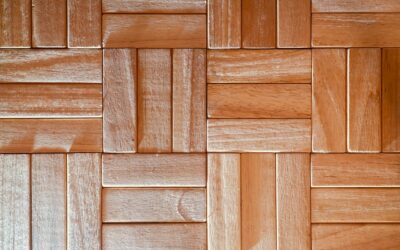
Two product categories share the name. The first is porcelain plank, typically 8×48 inches or 9×60 inches, printed and embossed to mimic European white oak or American red oak. The second is genuine oak end-grain blocks set in adhesive like cobblestones, an old industrial flooring that is rare and expensive in modern builds. Most search traffic for the term resolves to wood-look porcelain, which is where this guide focuses.
Brand Leaders Worth Pricing
Daltile Saddle Brook XT, Marazzi Treverkmore, MSI Brentwood, Florida Tile Hawthorne, and Crossville Hi-Fi Wood are the most-specified wood-look oak porcelains in US homes. Pricing covers a wide band:
- $2.80-$4.20 per sq ft material: builder-grade rectified 6×36 inch planks.
- $4.20-$6.50: 8×48 inch with embossed-in-register surface that follows the printed grain.
- $6.50-$9.50: 9×60 or 9×72 inch wide format with through-body color and digital print depth.
- $9.50-$14.00: premium European tile (Provenza, Imola, Fap Ceramiche) with hand-finished surfaces.
Install adds $7 to $12 per sq ft because oak-look planks require careful grout-joint alignment and the long format magnifies any subfloor imperfection.
Why Porcelain Beats LVP in High-Performance Rooms
For kitchens, baths, mudrooms, and three-season porches, porcelain outperforms LVP on three measurable axes. PEI rating of IV or V handles 25,000+ foot-traffic cycles on ISO 10545-7. Absorption under 0.5% makes the surface fully waterproof (LVP cores are waterproof but seams are not). Hardness on the Mohs scale of 7-8 resists scratching from pet claws, dropped pans, and grit. The trade-off is install cost and underfoot temperature; porcelain is colder and harder than LVP, which matters in barefoot rooms.
Plank Size and Grout Joint Choices
Plank size sells the wood illusion. Below 6×36 inches the proportions read tile. At 8×48 and above the floor reads wood. Wider 12-inch planks (rare) lose the rectified pattern that wood mimics. Grout joints should be 3/16 inch maximum with a color matched to the lightest grain tone in the tile. Bright white grout against oak-look planks shouts “tile” and undercuts the design intent. Mapei Ultracolor Plus FA in Pale Umber or Bone matches most oak tones.
Subfloor Prep and Install Method
- Verify subfloor deflection under L/360 for ceramic, L/720 for natural stone. Bridge any joist span over 16 inches OC with 3/4 inch plywood.
- Install a Schluter Ditra or USG Durock NextGen uncoupling membrane to manage substrate movement.
- Flatten to 1/8 inch over 10 ft using a self-leveling underlayment.
- Set planks in a 33% offset (not 50%) to prevent the crowning of long planks called lippage. ANSI A108.02 specifies offset under 33% for planks longer than 18 inches.
- Use a polymer-modified thin-set (Mapei Ultraflex LFT or Custom MegaLite) rated for large-format tile.
- Back-butter every plank with a 1/2 x 1/2 inch notched trowel and beat in with a rubber mallet.
Skipping the back-butter is the number one cause of hollow spots and corner lippage in oak tile installations.
Slip Resistance for Wet Rooms
Wet-area porcelain must hit DCOF wet of 0.42 or higher per ANSI A326.3. Most oak-look tiles ship with a polished or low-relief surface that tests at 0.35-0.42 dry but drops to 0.30 wet. For bathrooms and pool decks, specify a textured or matte-finish variant. Daltile Yorkwood Manor in Matte and MSI Aspenwood Latte are two oak looks that test above 0.55 wet.
Radiant Heat Compatibility
Oak tile and radiant heat are a perfect pair. Porcelain conducts heat 8-10x better than wood or LVP, so a hydronic Warmboard system or an electric Schluter Ditra-Heat mat warms the surface in 20-30 minutes. The thermal mass also moderates room temperature swings. Specify a temperature limit of 85°F surface to protect the tile and adhesive bond. Set the system to ramp on at 5am to hit comfortable surface temp by 6:30am.
Cleaning Routine
Daily microfiber dust mop. Weekly damp mop with a pH-neutral cleaner like Bona Stone, Tile and Laminate or Custom Building Products TileLab Grout and Tile Cleaner at use-dilution. Avoid vinegar (etches some grout sealers), avoid steam mops above 200°F (can soften some embossed surfaces). Reseal cement-based grout every 12-18 months with Aqua Mix Sealer’s Choice Gold. Epoxy grout (Mapei Kerapoxy CQ) needs no resealing but costs more at install.
Drawbacks to Acknowledge
Cold underfoot in winter without radiant heat. Hard on legs during long standing sessions in a kitchen; offset with anti-fatigue mats in front of the sink and range. Dropped glassware shatters more than on LVP or wood. The print pattern repeats every 6-12 tiles; randomize lay-out to disguise. And the install cost is real: porcelain plank installation is the most labor-intensive option in the wood-look category.
Common Installation Mistakes
The first mistake is using a 50% offset pattern on long planks. Wood planks tolerate this lay-out but porcelain planks bow slightly in the middle of each piece, which makes the offset edge stand proud at the joint. ANSI A108.02 specifically calls for under 33% offset on planks over 18 inches long. The second mistake is using a standard ceramic thin-set instead of a polymer-modified large-format mortar; the resulting bond strength fails under thermal cycling. The third is grouting before the thin-set fully cures: 48 hours minimum at 70°F and 50% RH.
Who Should Buy Oak Tile
Homeowners building or renovating in humid climates, anyone with pets that have claw damage history, families that want the floor to outlive the dog, and designers who specify radiant heat. For barefoot bedrooms and TV rooms, real engineered oak feels better underfoot. Oak tile is the right answer for kitchens, baths, basements, and any room where water and wear are the deciding factors.
Prefer to explore on your own?
See how new flooring looks in your actual room in seconds — free, no signup.
Try the free Floor Studio →