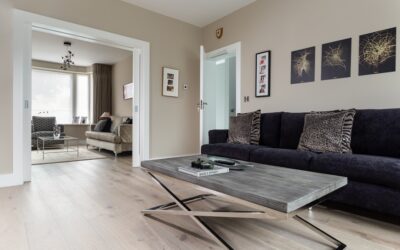
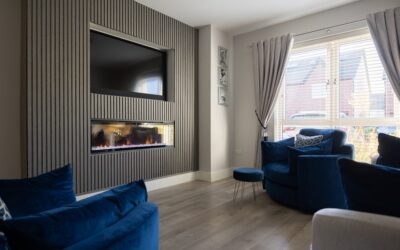
Oak has been the signature look of American floors for over a century, and modern printing has made it possible to get that look for a fraction of the price. Oak wood laminate flooring puts a convincing photographic oak image over a tough fiberboard core, giving you the warm grain of white or red oak without the cost or fragility of solid hardwood. I’ve installed miles of it in family homes and rentals, and it earns its popularity honestly. In this guide I’ll cover the real pros and cons, what you’ll pay, and how to pick planks that hold up rather than disappoint.
What Oak Laminate Really Is
Laminate is a layered product, and understanding the stack helps you shop. The bottom is a moisture-resistant backing, the middle is a dense high-density fiberboard core that gives the plank its rigidity, above that sits a high-resolution photograph of oak, and on top is a clear melamine wear layer that takes all the abuse. The best oak laminates add surface embossing that lines up with the printed grain, so you feel texture where you see it.
That construction is why laminate behaves differently from real wood. It won’t dent the way soft solid oak does, and its wear layer resists scratches better than a site-finished floor. But the core is still wood fiber, which means water is the enemy unless you buy a specifically water-resistant product. Knowing that the “wood” you see is a printed image, not solid timber, sets the right expectations before you buy.
The Pros of Choosing Oak Laminate
Value leads the list. Oak laminate delivers the look of hardwood for $1 to $4 per square foot in materials, roughly a third of what solid oak costs, and its click-lock design makes it one of the most DIY-friendly floors available. A motivated homeowner can floor a bedroom in a weekend without nails, glue, or a single visit from an installer.
Durability is the other big win. A quality oak laminate with a high AC rating shrugs off dog claws, dragged chairs, high heels, and dropped toys far better than genuine oak, which is why I recommend it for busy households with kids and pets. The photographic layer also resists fading and never needs sanding or refinishing. You simply sweep and damp mop, and the floor keeps looking sharp for 15 to 25 years.
The Cons You Should Consider
Water remains laminate’s weakness. Standard oak laminate can swell and delaminate at the edges if water sits on a seam, so it’s a poor choice for full bathrooms and unsealed basements unless you specifically buy a waterproof-rated line. Even then, I tell clients to wipe spills promptly rather than trusting the label completely.
The feel and resale story are the other honest tradeoffs. Laminate sounds slightly hollow underfoot compared to solid wood, though a good underlayment helps, and it can’t be refinished, so once the wear layer is gone the plank is done. Appraisers and buyers also value real hardwood more highly in premium homes. If you’re flooring a high-end house you plan to sell soon, weigh that; for everyday living, most people never notice the difference.
Repeating pattern is a subtler drawback worth checking in the store. Because the oak grain is a photograph, cheaper lines print only a handful of unique board images and repeat them across the room, which the eye eventually catches as an unnatural rhythm. Better oak laminates use a dozen or more distinct plank patterns, so no two identical boards land near each other. Fan out several planks at the showroom and look for how often the grain repeats before you commit.
What Oak Laminate Costs
Material prices range from about $1 per square foot for thin builder-grade planks to $4 or more for thick, textured, water-resistant lines with realistic oak visuals. Add underlayment at $0.30 to $0.80 per square foot if it isn’t attached, plus transition strips and trim. Professional installation runs $2 to $5 per square foot, though the easy click system means many homeowners skip that entirely.
In room terms, a 300-square-foot living room in mid-grade oak laminate costs roughly $600 to $1,500 in materials, or $1,200 to $3,000 fully installed. Compare that to solid oak at $6 to $12 per square foot installed and the savings are obvious. Just remember to add demolition, disposal, and any subfloor leveling, which apply to laminate exactly as they do to every other floating floor.
How to Read AC Ratings and Thickness
The single most useful spec is the AC rating, which measures abrasion resistance on a scale from AC1 to AC5. For a normal home, insist on at least AC3, which handles all residential traffic comfortably. AC4 suits busy families with pets and light commercial use, while AC5 is overkill for a house but tells you the plank is genuinely tough. Ignore the pretty photo and check this number first.
Thickness matters too, both for feel and durability. Planks range from 6mm to 12mm, and thicker boards feel more solid, hide minor subfloor flaws better, and often lock together more tightly. I steer clients toward 10mm or 12mm oak laminate for main living areas and reserve 8mm for bedrooms or budget jobs. Also check the plank width and length; wider, longer boards read more like real oak planks and fewer seams mean a cleaner look.
Installation and Maintenance Basics
Acclimate the planks in the room for 48 to 72 hours before install so they adjust to your home’s humidity and don’t buckle or gap later. Laminate floats, meaning it isn’t fastened down, so you must leave a 1/4 to 3/8 inch expansion gap around every wall and under every threshold, hidden by baseboard or quarter round. A quality foam or cork underlayment quiets the hollow sound and smooths minor imperfections.
Maintenance is refreshingly simple. Sweep or vacuum regularly and clean with a barely damp mop and a laminate-safe cleaner, never a wet mop or a steam cleaner, both of which force moisture into the seams. Put felt pads under furniture, use floor protectors under rolling chairs, and place mats at entries to catch grit. Do that and oak laminate holds its looks for the better part of two decades.
Plan the layout before you snap the first board together. Run the planks parallel to the longest wall or toward the main light source, and stagger the end joints by at least 8 to 12 inches from row to row so seams don’t line up and weaken the floor. Measure the room width first and rip your final row to a sensible size; you never want to finish against a wall with a sliver of plank barely an inch wide, which looks amateur and locks poorly. A little planning at the start separates a floor that reads as custom from one that looks slapped down.
Is Oak Laminate the Right Choice?
For most homeowners the answer is a confident yes. If you want the timeless warmth of oak, a scratch-resistant surface that survives kids and dogs, and a price that leaves room in the budget for other projects, oak wood laminate flooring is hard to beat. It shines in bedrooms, living rooms, hallways, and offices where spills are occasional rather than constant.
Steer away from it only in wet rooms unless you spring for a waterproof line, and choose real hardwood if you’re building a luxury home for resale or you simply want a floor you can refinish decades from now. For everyday living where value, durability, and good looks matter most, a well-chosen oak laminate with an AC3 or AC4 rating and a decent thickness gives you the oak floor you pictured at a price that makes sense.
Prefer to explore on your own?
See how new flooring looks in your actual room in seconds — free, no signup.
Try the free Floor Studio →