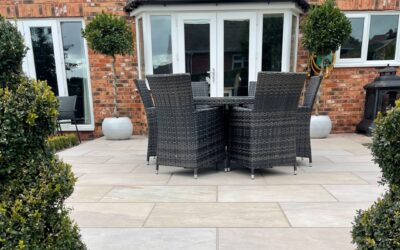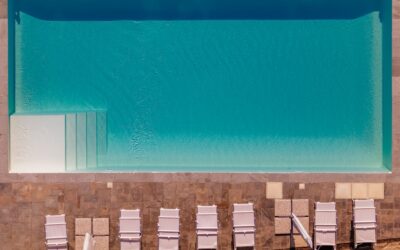
An outdoor kitchen floor takes a beating no indoor floor ever will: blazing summer sun, freeze-thaw winters, splattered grease, dropped tongs, spilled marinade, and the constant risk of someone slipping while carrying a hot pan. The best outdoor kitchen flooring ideas all start from the same set of demands, the surface must resist grease and stains, shrug off heat and weather, drain well, and grip underfoot when wet. Get those priorities right and the design choices, color, pattern, and texture, fall neatly into place. Here are the materials that actually perform.
Part of our Kitchen Remodeling guide — explore the full guide →
What Outdoor Kitchen Flooring Must Handle
Before picking a look, understand the four jobs the floor has to do. It must resist grease and food stains, because an outdoor kitchen is a working space, not just a patio. It has to survive the weather, sun fading, rain, and freeze-thaw cycles that crack inferior materials. It needs to handle heat from grills and the occasional dropped ember. And above all, it must be slip-resistant when wet, since spills and rain make a smooth surface dangerous near open flame and sharp tools. Drainage is the fifth, often-overlooked requirement.
Once your patio flooring is in place, think about how you’ll use the space. A gazebo adds shade and structure, while a good outdoor furniture set turns it into a spot you’ll actually want to hang out in. A deck box is also worth considering if you need somewhere to stash cushions and outdoor gear.
We may earn a commission when you purchase through our links.
Porcelain Pavers: The Top Performer
Porcelain has become the go-to for outdoor kitchens, and for good reason. Outdoor-rated porcelain pavers (typically 2 cm thick) are dense and nearly non-porous, so they resist grease, stains, and water absorption that would ruin other materials.
- Pros: Highly stain- and grease-resistant, frost-proof, fade-resistant, low-maintenance, and available in textured anti-slip finishes and realistic stone or wood looks.
- Cons: Higher upfront cost, requires proper installation (often on a gravel or pedestal base outdoors), and can be hard underfoot.
Choose a textured, matte porcelain with a high slip rating, never polished, for an outdoor cooking zone.
Natural Stone
Stone brings unmatched character, and several types suit outdoor kitchens well. Flamed or tumbled granite is extremely durable and stain-resistant; slate offers natural slip-resistant texture; travertine and limestone look beautiful but are more porous and need diligent sealing. The big caveat is maintenance: most natural stone is porous and must be sealed regularly to resist grease and staining, and softer stones can etch or absorb spills. In cold climates, confirm the stone is freeze-thaw stable. Stone’s beauty and longevity are real, but so is the upkeep.
Concrete
Concrete is the budget-friendly workhorse, and it is far more versatile than people assume. It can be stamped, stained, scored, or finished with a broom texture for slip resistance, and it forms a seamless, durable surface. Sealed concrete resists grease reasonably well, but it must be sealed and resealed to prevent staining and to handle freeze-thaw. Untreated concrete is porous and will absorb grease and crack over time. A textured or broom finish is essential for traction; smooth troweled concrete gets slick when wet. It is durable, affordable, and easy to clean once properly sealed.
Brick
Brick delivers classic, timeless charm and naturally good slip resistance thanks to its textured surface. It handles heat well and ages gracefully, making it a favorite for traditional and rustic outdoor kitchens. The downsides: brick is porous and can stain from grease without sealing, the joints collect debris and can harbor weeds or moss, and an uneven brick surface is harder to keep clean and can wobble furniture. Sealed clay pavers laid on a proper base perform much better than old, unsealed brick. Brick is also freeze-thaw durable when it is a true paving brick rather than a soft facing brick.
What to Avoid Outdoors
Some popular flooring is simply wrong for an outdoor kitchen. Standard indoor tile, hardwood, laminate, and most carpet cannot survive sun, moisture, and freeze-thaw. Polished or glossy surfaces of any material become dangerously slippery when wet and reflect harsh glare. Highly porous, unsealed materials soak up grease and stain permanently. And anything that traps standing water invites mold and ice. When in doubt, prioritize a textured, weatherproof, low-porosity surface over a pretty but impractical one.
Cost and Installation Notes
Pricing varies widely. Concrete is the most economical, roughly $6 to $15 per square foot installed depending on finish; brick pavers run $10 to $20; porcelain pavers $15 to $30; and natural stone $15 to $35 or more. Whatever you choose, the base matters as much as the surface: a properly compacted, well-draining sub-base and the right slope (about a quarter-inch per foot away from the structure) prevent standing water, settling, and cracking. Outdoor pavers can often be set on gravel or pedestals, simplifying drainage. Always factor sealing into the long-term budget for stone, brick, and concrete.
Designing for Continuity and Flow
An outdoor kitchen rarely stands alone, so think about how its floor connects to the surrounding patio, pool deck, and indoor living space. Carrying one material across the whole outdoor area, or coordinating closely related tones, makes a backyard feel larger and more intentional than a patchwork of surfaces. Porcelain pavers now come in wood- and stone-look finishes that can echo your interior flooring, blurring the line between indoor and outdoor rooms when you have a wide sliding or folding door. Using the same paver inside and out, in slip-rated versions for the exterior, is a popular high-end move that visually doubles the size of your living space.
Climate-Specific Considerations
Where you live should steer the material choice as much as the look. In cold, freeze-thaw climates, frost resistance is critical, porcelain and true paving brick excel, while porous, unsealed stone and inferior tile crack as trapped water freezes and expands. In hot, sunny climates, lighter colors stay cooler underfoot than dark surfaces that absorb heat, an important comfort factor for bare feet near the grill. In wet or humid regions, drainage and mildew resistance move up the priority list, favoring non-porous surfaces and proper slope. Matching the material to your specific weather extends its life and keeps the deck comfortable and safe year-round.
Choosing the Right Outdoor Kitchen Floor
For most outdoor kitchens, textured porcelain pavers offer the best all-around performance, grease-proof, weatherproof, low-maintenance, and slip-resistant when chosen correctly. Concrete is the smart budget pick when sealed and given a textured finish, brick brings timeless charm with sealing, and natural stone delivers premium beauty if you commit to the maintenance. Lead with slip resistance, stain resistance, and freeze-thaw durability, get the drainage and base right, and your outdoor kitchen floor will stay safe, handsome, and easy to clean through years of grilling seasons.
Prefer to explore on your own?
See how new flooring looks in your actual room in seconds — free, no signup.
Try the free Floor Studio →