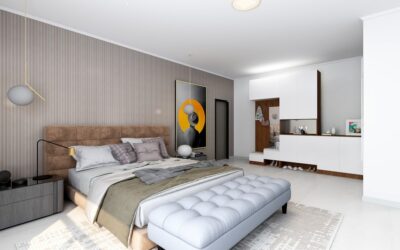
A wall you can lean against without flinching changes how a room gets used. Padded wall panels are rigid boards wrapped in foam and fabric, mounted side by side to create an upholstered surface, and they have moved from hotel suites into ordinary bedrooms, media rooms and playrooms. They soften the look of a space, add a little warmth and comfort, take the edge off echo, and protect walls from headboards, chairs and rowdy kids.
If you only need the essentials: buy or build panels with a stable backer (plywood or MDF), fire-resistant foam and a tightly woven, durable fabric. Mount them on French cleats or interlocking Z-clips for a removable installation, or with construction adhesive plus a few screws for a permanent one. Keep them clear of heat sources, plan around outlets and switches, and vacuum the fabric regularly.
Good results depend on choosing the right room, selecting materials with fire safety in mind, picking a mounting method that suits how long the panels will stay, and keeping the fabric clean. Each of those decisions is laid out here, along with fixes and realistic cost ranges.
Where Padded Wall Panels Work Best
The most popular spot is behind a bed. A grid of upholstered squares or vertical channels running wall to wall, or a tall section framing the bed, works as an oversized headboard. It is comfortable for reading in bed and keeps the wall from getting scuffed.
Dens and media rooms are the next big use. Fabric panels absorb some high-frequency reflections, so dialogue sounds a bit clearer and the room feels less echoey. They are not a substitute for real acoustic treatment, which uses denser, sound-specific materials and placement, but they help.
Playrooms and kids’ rooms benefit from the impact protection. A run of padded panels along a wall where children climb, tumble or play active games lowers the chance of bumps against hard drywall. In those spaces, choose wipeable fabric or faux leather and mount the panels very securely.
Other good spots include window seats, reading nooks, entry benches, home gyms (behind a stretching area) and dressing rooms.
Choosing Materials With Fire Safety First
An upholstered wall adds fuel to a room, so material choice is a safety decision as well as a style choice.
Foam
Ordinary polyurethane foam burns quickly and gives off dense, toxic smoke. Look for foam labeled as fire-retardant or fire-rated, or designed to meet recognized flammability standards for upholstered furnishings. Many pre-made panel sets specify their rating; ask the seller if it is not listed. Foam 1 to 2 inches thick is typical for headboard walls; thinner 1/2-inch foam gives a crisp tailored look, while thicker foam is plusher and offers more impact cushioning for playrooms.
Fabric
- Performance polyester and olefin blends: durable, stain-resistant and easy to spot clean.
- Velvet: luxurious, popular for bedroom walls, but shows pressure marks and collects dust.
- Linen and linen blends: relaxed texture, but wrinkles and stains more easily.
- Faux leather (vinyl or polyurethane coated): wipeable and kid-friendly, though it can feel cool and shows scratches.
- Wool: naturally more flame-resistant than many synthetics and good for acoustics, but costs more.
Choose fabric rated for upholstery use (a high rub count) and, where available, treated or inherently flame-resistant. Avoid loose weaves that snag.
Backer and Batting
Use 1/4 to 1/2 inch plywood or MDF cut to the panel size. A layer of polyester batting over the foam rounds the edges so the fabric wraps smoothly.
Placement Rules for Fire Safety
- Keep panels well away from fireplaces, wood stoves, baseboard heaters, radiators and space heaters. Follow any clearance listed by the heater maker; when in doubt, leave generous space.
- Never cover outlets, switches, thermostats or smoke alarms. Cut openings or plan the layout so devices stay exposed and accessible.
- Do not tuck lamps, chargers or power strips against the fabric.
- If you add LED backlighting behind or around the panels, use a UL-listed driver or power supply sized to the load with headroom, keep strips uncoiled and uncovered, and keep the driver out of the foam and fabric where it can vent heat.
- Keep a working smoke alarm in or near any bedroom with upholstered walls.
Mounting Options: Cleats, Clips or Adhesive
How you attach the panels determines whether they can come down later and how flat the wall looks.
French Cleats
A French cleat is a strip of wood ripped at 45 degrees. One half screws to the wall (into studs), and the matching half fastens to the back of the panel. The panel drops onto the wall cleat and locks in place. Cleats hold heavy panels, allow easy removal for cleaning or moving, and let you adjust position slightly. They add about 3/4 inch of depth.
Interlocking Z-Clips
Low-profile metal clips work the same way with less depth. They are ideal for thinner panels and are common in commercial upholstered walls.
Adhesive and Screws
For a permanent installation, apply construction adhesive to the back of the backer and drive a few screws through the panel into studs before wrapping the final fabric, or hide screws under buttons or seams. This is solid but much harder to remove without damaging drywall.
Hook-and-Loop Strips
Heavy-duty hook-and-loop works only for small, lightweight panels on a smooth, painted wall. It is renter-friendly but can let go over time. Do not rely on it in playrooms where children may pull on panels.
Step-by-Step Installation
- Plan the layout. Measure the wall and decide on panel size, often squares of 12 to 24 inches or vertical channels 6 to 12 inches wide. Leave consistent small gaps or butt the panels tight. Mark outlets and switches and decide how to work around them.
- Find studs. Use a stud finder and mark centers. Cleats should hit at least two studs per run.
- Prepare outlets. If a panel surrounds an outlet or switch, turn off the breaker and confirm power is off with a non-contact voltage tester before removing the cover plate. You may need box extenders so the device sits flush with the new surface; if you are not comfortable installing them, or if any device needs to move, hire a licensed electrician.
- Build or unpack panels. For DIY panels, glue foam to the backer, add batting, then stretch fabric over the edges and staple it to the back, working from the center of each side toward the corners. Fold corners neatly like wrapping a gift.
- Attach mounting hardware. Screw the wall cleat or clips into studs with a level line. Fasten the matching halves to each panel at the same height.
- Hang from the bottom center outward. Start with a centered panel on the first row, check level, then work outward and upward.
- Finish the edges. Exposed sides can be wrapped panels, a slim wood trim, or a painted cap strip.
Cleaning and Maintenance
Fabric walls collect dust like any upholstered furniture. Vacuum them every few weeks with a soft brush attachment, working top to bottom. Spot clean spills right away by blotting, not rubbing, using a cleaner suited to the fabric code on the label. Water-based cleaners suit many synthetics; some natural fibers and velvets need solvent-based spot cleaners or professional cleaning. Always test in a hidden corner first.
Removable panels on cleats are a big advantage here. You can lift one off, clean it on a table, or swap a stained panel for a spare. Keep one or two extra panels made from the same fabric lot for exactly this reason.
Faux leather wipes down with mild soap and water. Avoid harsh solvents, which crack coatings.
Troubleshooting Common Problems
- Uneven gaps between panels: inconsistent panel sizes or mounting heights. Use a jig to place clips identically on every panel.
- Wrinkles in fabric: fabric was not pulled evenly. Remove staples on the slack side, re-stretch from the center out and restaple.
- Panels tilting forward at the top: only a single cleat at the top. Add a spacer strip at the bottom of the panel back matching the cleat thickness.
- Dents that stay: foam is too soft or low density. Use higher-density foam for walls people lean on.
- Fading: direct sun degrades many fabrics. Choose solution-dyed fabric or add window film or shades.
Cost to Install Upholstered Walls
A ready-made padded wall panels set is the easiest route. Peel-and-stick or clip-mount kits sold in packs commonly cost from roughly a few dollars to a couple dozen dollars per square foot, depending on fabric, foam thickness and edge finish. A behind-the-bed wall of about 50 to 70 square feet often lands in the low to mid hundreds for budget kits and higher for velvet or faux leather.
DIY panels from plywood, foam, batting and fabric can come in lower, but your time and tool costs add up. Custom upholstered walls from a professional upholsterer or interior installer generally cost far more per square foot, with prices rising for fire-rated materials, channel tufting, buttons and large walls.
When to Call a Pro
Hire an upholsterer or installer for large walls, tall rooms needing ladders or scaffolding, complex tufted or channel designs, or fabric patterns that must match across panels. Bring in a licensed electrician if outlets, switches or lighting need to be moved or extended. In rental units, check your lease before mounting anything with screws.
Frequently Asked Questions
Are padded wall panels a fire hazard?
Any foam and fabric adds fuel to a room. Choose fire-rated foam and flame-resistant fabric, keep panels away from heaters and fireplaces, and never cover outlets or alarms.
Do upholstered panels soundproof a room?
No. They reduce some echo inside the room but do little to stop sound passing through walls. Real soundproofing needs mass and decoupled construction.
Can I install them in a rental?
Lightweight panels on hook-and-loop strips can work, but screws for cleats leave holes. Ask your landlord before mounting anything permanent.
What fabric is best for a kids’ room?
Faux leather or a performance polyester with high abrasion resistance is easiest to wipe clean and holds up to rough play.
How thick should the foam be?
One to two inches suits most bedroom walls. Use thicker, denser foam where impact cushioning matters, such as playrooms.