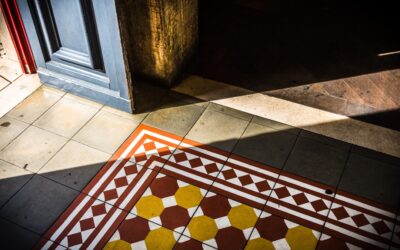
Color choice on a parquet floor is locked in for 20 years or more — repeat sanding only takes you down to a cleaner version of what you started with. Picking the right parquet flooring colors matters more than choosing the pattern itself, because herringbone in the wrong stain ages a room faster than any other floor mistake. This guide walks through the warm, cool, and high-contrast palettes that work in 2026, with notes on resale value, pairing rules, and the finishes that hold their tone over time.
- Why Color Carries More Weight in Parquet
- Warm Parquet Tones That Always Work
- Cool and Modern Parquet Colors
- High-Contrast and Statement Colors
- Pros and Cons of Each Color Family
- Pairing Parquet Color to Room Function
- Finish Choice Locks In the Color
- Resale Impact and the Safe Default
- Frequently Asked Questions
Why Color Carries More Weight in Parquet
A standard plank floor lets the eye travel along long lines that hide subtle color variation. Parquet is the opposite — herringbone, chevron, and basket-weave layouts force the eye to read every block as a separate piece. A slightly muddy stain that looks fine in a 6 ft plank turns into a chaotic patchwork once it is cut into 12 inch pieces and rotated.
That is why most successful parquet projects start with a 3 ft by 3 ft mockup laid out in the actual room before committing. Light direction, wall paint, and trim color all shift how a parquet finish reads. What looked rich in the showroom under halogens often looks flat under a north-facing window.
Warm Parquet Tones That Always Work
Warm honey, golden oak, and amber-toned walnut still dominate sales in family homes. These tones flatter the soft grain of European white oak and forgive the dust and pet hair that will inevitably collect between blocks. They also pair cleanly with cream walls, brass hardware, and the warm-white LEDs most homeowners are now installing.
- Natural oak with a clear matte finish — the safest resale color in any climate, ages to a soft caramel
- Antique honey — slightly redder than natural, hides scratches in busy households
- Smoked oak (light) — fumed ammonia look that adds depth without darkening the room
- Walnut natural — chocolate browns with purple undertones, dramatic in herringbone
- Cherry mahogany — traditional red-brown for formal interiors and historic homes
Cool and Modern Parquet Colors
Cool palettes have grown sharply since 2020 alongside the demand for Scandinavian and Japandi interiors. These finishes lean gray, taupe, and white-washed and they show off the geometry of chevron and Versailles patterns better than warm tones do. The risk is dating — a strong gray floor laid in 2018 already feels like a Pinterest era to many buyers.
Stick to muted cool tones rather than blue-gray extremes. Greige (a gray-beige hybrid) ages better than pure gray and reads as neutral against most wall colors. White-washed oak with a UV oil finish has held its appeal in coastal and modern farmhouse homes for nearly a decade now and shows no sign of fading from buyer preference.
High-Contrast and Statement Colors
Black, ebony, and very dark walnut parquet floors look magazine-ready in the showroom and brutal in real life. They photograph beautifully and they show every footprint, every speck of cat hair, and every drop of water within a day. If you must go dark, do it in a low-traffic dining room or a small powder room rather than a main living area.
True ebony is rare and ethically tricky to source. Most “ebony” parquet floors are actually European oak that has been reactive-stained or fumed to a deep black-brown. The reactive iron stains penetrate deeper and resist scratch-through better than topical wood stains, so spend the extra $1 to $2 per sq ft for the treatment.
Pros and Cons of Each Color Family
Every palette involves a trade. The summary below assumes a standard European oak block in a 12 inch herringbone, finished with a UV-cured oil or a hardwax oil top.
- Warm light tones — universal appeal and easy upkeep, but can feel safe or builder-grade in modern homes
- Warm dark tones — rich and timeless, but show dust and require more frequent dust mopping
- Cool light tones — clean and contemporary, but can read cold in homes without strong natural light
- Cool dark tones — high drama, but date faster than any other category
- Bleached and white-washed — bright and airy, but yellows over time without UV-blocking finish
- Two-tone and inlay — striking, but expensive and harder to repair if a single block is damaged
Pairing Parquet Color to Room Function
Match color to use, not just to taste. Kitchens need a tone that hides crumbs and grease drips — mid-tone honey or natural oak performs better than ebony or white-washed. Living rooms can absorb darker statement colors because most of the floor will be under a rug anyway.
Bathrooms with parquet (yes, real wood with a marine-grade finish does work) should stay light to keep the small space from feeling cramped. Bedrooms benefit from warm tones that take on a cozy glow under low-light evening lamps. Hallways take the most abuse, so default to a finish that hides scratches — wire-brushed natural or smoked oak.
Finish Choice Locks In the Color
Choice of topcoat changes a parquet color over five years more than most homeowners realize. Polyurethane ambers slightly with age and adds warm yellow tones. Hardwax oils stay closer to the day-one color but require recoat every 2 to 4 years in busy rooms. UV-cured aluminum oxide is the most stable but limits future stain or refinish options because the cured layer is hard to sand fully off.
Resale Impact and the Safe Default
In appraiser surveys across the US Midwest and Northeast, natural and lightly smoked oak parquet outperformed both very dark and very pale floors at resale, with about a 3% to 5% premium versus blue-gray and ebony floors in 2024 and 2025 sales data. If you plan to sell within seven years, default to a warm-mid natural finish. If this is a forever home, choose what makes you smile when you walk in the door — that is the real value of parquet flooring colors done well.
Frequently Asked Questions
What color is white oak parquet compared with red oak parquet?
White oak parquet has tan to light brown tones with subtle olive or gray hints, which makes it the easier base for natural, greige, smoked, and white-washed finishes. Red oak has pink to reddish undertones and a more open grain, so it reads warmer and can turn muddy or pinkish under gray stains. For cool or neutral palettes, white oak is the safer choice.
Can you stain parquet flooring gray?
Yes. Gray works best on white oak, and a test patch on a few blocks is essential because each block’s grain direction absorbs stain slightly differently. Favor a soft greige or a gray-brown over a strong blue-gray, which dates fastest, and seal with a matte finish that will not amber, since a yellowing topcoat turns gray stains green.
Can you change the color of an existing parquet floor?
Yes, if there is enough wood left to sand. Sanding back to bare wood lets you restain darker, warmer, or cooler, while going much lighter than the bare wood requires bleaching. Parquet’s mixed grain directions make sanding harder than with planks, so a flooring pro with the right sanding sequence avoids cross-grain scratches that show under stain.
Prefer to explore on your own?
See how new flooring looks in your actual room in seconds — free, no signup.
Try the free Floor Studio →