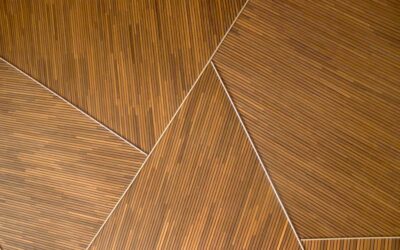
Parquet flooring patterns transform ordinary wood floors into architectural works of art. By arranging individual blocks, strips, or planks in geometric configurations, parquet creates visual drama and timeless elegance that straight-plank installations simply cannot achieve. From classic herringbone to ornate Versailles panels, parquet patterns have graced palaces, estates, and stylish homes for centuries.
This guide covers the most popular parquet flooring patterns available in 2026, explains how each one is created, compares costs and installation complexity, and helps you choose the perfect pattern for your space. If you want your hardwood flooring to make a statement, parquet is the way to do it.
What Is Parquet Flooring?
Parquet flooring is any wood flooring installation where individual pieces are arranged in a decorative geometric pattern rather than laid in parallel straight rows. The term comes from the French word “parqueterie,” meaning a small enclosed space — a reference to the intricate inlaid wood floors that decorated French aristocratic interiors beginning in the 17th century.
Traditional parquet was crafted from solid wood blocks hand-cut and assembled on-site by skilled artisans. Modern parquet is available in both solid and engineered wood flooring formats, with many products coming pre-assembled on mesh or plywood backing for faster installation. The artistry of parquet is now accessible to a much wider audience than ever before.
The Most Popular Parquet Flooring Patterns
Herringbone
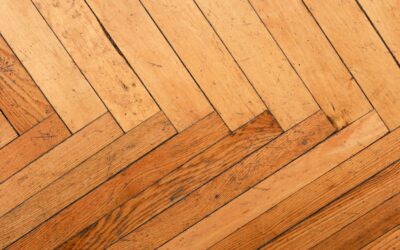
Herringbone is the most popular and recognizable parquet pattern. Individual rectangular pieces are arranged in a zigzag pattern where each piece meets the next at a 90-degree angle, creating a continuous V-shaped formation that resembles the bones of a herring fish.
Herringbone works in virtually any interior style — it adds formality to traditional spaces, visual interest to modern rooms, and character to transitional designs. The pattern’s strong directional lines draw the eye and create a sense of movement that makes rooms feel dynamic and intentional.
Piece dimensions: Classic herringbone uses pieces ranging from 3 to 5 inches wide and 12 to 24 inches long. Larger pieces create a more contemporary, less busy look. Smaller pieces produce a more traditional, detailed pattern.
Installation complexity: Moderate. Herringbone requires precise layout and careful cutting at walls and borders. Each piece must be perfectly aligned to maintain the pattern’s regularity. Professional installation is recommended.
Cost: $15 to $30 per square foot installed (materials and labor). The pattern requires more pieces per square foot than straight-plank installation and generates more waste from cuts.
Chevron
Chevron is often confused with herringbone, but the patterns are distinctly different. In a chevron pattern, each piece is cut at an angle (typically 45 or 60 degrees) so that the pieces meet in a continuous, pointed V formation. Unlike herringbone’s staggered zigzag, chevron creates clean, unbroken diagonal lines that converge at a central spine.
Chevron has a more formal, refined appearance than herringbone. The continuous diagonal lines create a powerful sense of direction and movement that can make rooms feel longer when the pattern runs toward the focal point.
Piece dimensions: Chevron pieces range from 3 to 6 inches wide and 12 to 24 inches long, with angled ends cut at the factory.
Installation complexity: High. Chevron requires precise angle cuts and meticulous alignment. Any misalignment in the central spine is immediately visible. This is a pattern for experienced installers only.
Cost: $18 to $35 per square foot installed. The angled cuts generate more waste than herringbone, and the installation precision demands more labor time.
Basket Weave
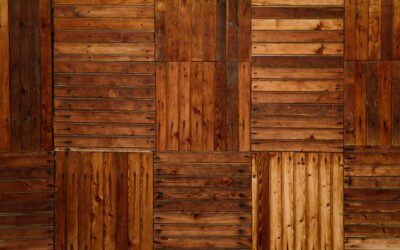
Basket weave arranges square groups of parallel strips in alternating orientations — one group horizontal, the next vertical — creating a woven pattern that resembles a wicker basket. The effect is subtle, textured, and elegant without being overwhelming.
Basket weave is a classic pattern that works beautifully in traditional, transitional, and colonial-style homes. It adds visual interest without the strong directional movement of herringbone or chevron, making it a good choice for rooms where you want pattern without drama.
Installation complexity: Moderate. The repeating square modules are relatively straightforward to install, though maintaining alignment across large floors requires attention.
Cost: $12 to $25 per square foot installed.
Versailles
The Versailles pattern (named after the Palace of Versailles, where it was first installed in 1684) is the most ornate and prestigious parquet pattern. It consists of large square panels, typically 24 to 36 inches per side, featuring an intricate arrangement of diagonal and perpendicular wood pieces framed by a border. Each panel is a self-contained design element.
Versailles parquet makes a grand statement in formal dining rooms, entryways, and living rooms. It is historically associated with luxury and aristocratic taste. Modern versions are available as pre-assembled panels on engineered wood backing, making this once-exclusive pattern more accessible.
Installation complexity: Moderate when using pre-assembled panels. Very high for traditional on-site assembly.
Cost: $20 to $50+ per square foot installed. Pre-assembled panels reduce labor costs significantly compared to traditional hand-cut installation.
Brick Pattern
The brick pattern (also called running bond) arranges rectangular parquet blocks in staggered rows, mimicking a brick wall. Each row is offset by half a block length. This is the simplest parquet pattern and provides a subtle geometric interest that is less formal than herringbone but more dynamic than straight plank.
Installation complexity: Low to moderate. Brick pattern is the easiest parquet layout to install and produces less waste than angled patterns.
Cost: $10 to $20 per square foot installed.
Hungarian Point
Hungarian point is similar to chevron but uses much steeper angles (typically 30 degrees rather than 45), creating an elongated, stretched V pattern. The effect is more dramatic and pointed than standard chevron, with stronger visual movement.
Installation complexity: High. The steep angles require precise cutting and alignment.
Cost: $18 to $35 per square foot installed.
Hexagonal Parquet
Hexagonal parquet uses six-sided wood pieces arranged in a honeycomb pattern. This is a modern, trendy pattern that adds a playful, contemporary element to interiors. Hexagonal parquet is gaining popularity in 2026, particularly in entryways, bathrooms, and accent areas.
Installation complexity: High. The six-sided cuts and fitting require precision and generate significant waste.
Cost: $20 to $40 per square foot installed.
Choosing the Right Parquet Pattern
Consider Room Size
Smaller rooms benefit from simpler patterns (brick, basket weave) and smaller piece sizes. Complex patterns like Versailles and large herringbone can overwhelm a small space. Larger rooms can support bold patterns and bigger pieces that would look too busy in tight quarters.
Consider Your Design Style
Herringbone is the most versatile pattern, working across traditional, modern, and transitional styles. Chevron leans contemporary and formal. Basket weave suits traditional and colonial interiors. Versailles is strictly formal and period-appropriate. Hexagonal is contemporary and playful.
Consider Installation Direction
Parquet patterns can run in different orientations relative to the room. Herringbone and chevron patterns running toward the room’s focal point (fireplace, window, entrance) create strong visual perspective that draws the eye forward. Patterns running across the room’s width make the space feel wider.
Consider Budget
Brick pattern and basket weave are the most affordable parquet options. Herringbone offers the best balance of visual impact and reasonable cost. Chevron and Versailles command premium prices due to material waste and installation complexity.
Parquet Flooring Materials
Solid Wood Parquet
Solid wood parquet blocks (typically 3/4 inch thick) are the traditional choice. They can be sanded and refinished multiple times, lasting a lifetime with proper care. Oak is the most popular species for parquet due to its hardness, availability, and beautiful grain that shows well in geometric arrangements. Walnut, maple, and cherry are also used for distinctive color effects.
Engineered Wood Parquet
Engineered wood flooring parquet features a real wood veneer over a plywood or HDF core. It offers better dimensional stability than solid wood, making it suitable for installation over concrete slabs and radiant heat systems. Pre-assembled engineered parquet panels significantly reduce installation time and cost.
Parquet-Look Alternatives
For the parquet look without real wood, consider LVP flooring in herringbone and chevron formats or tile flooring in wood-look porcelain arranged in parquet patterns. These alternatives offer waterproof performance and lower maintenance while capturing the geometric beauty of traditional parquet.
Parquet Installation Tips
Parquet installation demands more skill and patience than standard plank flooring. Here are essential tips for a successful project.
Start from the center: Most parquet patterns look best when centered in the room. Snap chalk lines from the room’s midpoints and begin installation at the intersection, working outward toward the walls.
Dry-lay first: Before applying adhesive, dry-lay several rows of your pattern to verify alignment, spacing, and visual balance. This preview catches layout issues before they become permanent.
Use the right adhesive: Parquet is almost always glued down (not floated). Use a high-quality urethane adhesive designed for hardwood. The adhesive must provide a strong, flexible bond that accommodates wood movement without allowing pieces to shift.
Maintain consistent spacing: Slight variations in piece spacing accumulate across a room, turning small errors into visible misalignment. Use spacers and check alignment frequently.
Account for borders: Many parquet installations include a border — a frame of straight planks around the room’s perimeter that transitions from the pattern to the walls. Borders add a finished, intentional look and simplify the wall-edge cuts.
Parquet Flooring Maintenance
Parquet floors require the same maintenance as any hardwood floor. Sweep daily to remove grit. Mop weekly with a wood-safe cleaner. Maintain indoor humidity between 35% and 55% to prevent wood movement. Avoid excess water, which can loosen adhesive bonds and cause individual pieces to lift.
Parquet patterns are particularly sensitive to wood movement because the alternating grain directions in patterns like basket weave create competing expansion forces. Consistent humidity control is especially important for parquet floors.
Refinishing parquet is possible but requires careful sanding to avoid rounding over piece edges or creating visible sanding marks across the pattern. Professional refinishing is strongly recommended for parquet floors.
Frequently Asked Questions
Is herringbone or chevron more popular?
Herringbone is significantly more popular due to its lower cost, easier installation, and broader design versatility. Chevron is gaining popularity in high-end residential projects and designer interiors but remains a niche choice compared to herringbone.
Can parquet flooring be installed as a floating floor?
Some engineered parquet panels with click-lock connections can be installed as floating floors. However, most parquet patterns require glue-down installation for the stability needed to maintain tight joints in complex geometric arrangements.
Is parquet flooring more expensive than regular hardwood?
Yes. Parquet costs 30% to 100% more than straight-plank hardwood installation due to increased material waste, more labor-intensive layout, and the specialized skill required. The visual impact justifies the premium for many homeowners.
Can I install parquet flooring over radiant heat?
Engineered wood parquet is compatible with radiant heat systems. Solid wood parquet is generally not recommended over radiant heat due to expansion and contraction concerns. Consult both the flooring and radiant heat manufacturers for compatibility guidance.
Is parquet flooring outdated?
Not at all. While the thin, mass-produced parquet tiles popular in the 1970s and 1980s have fallen out of fashion, artisanal herringbone, chevron, and Versailles patterns are trending strongly in 2026. Premium parquet is experiencing a major resurgence in contemporary and luxury interior design.
Final Thoughts
Parquet flooring patterns elevate wood floors from beautiful to extraordinary. Herringbone delivers the best combination of visual impact, versatility, and value. Chevron adds formal elegance for those willing to invest more. Basket weave and Versailles serve specific design visions with timeless grace. Whatever pattern you choose, parquet transforms your floor into a design feature that commands attention and adds lasting value to your home. Work with an experienced installer, invest in quality materials, and enjoy a floor that is truly a work of art.
Prefer to explore on your own?
See how new flooring looks in your actual room in seconds — free, no signup.
Try the free Floor Studio →