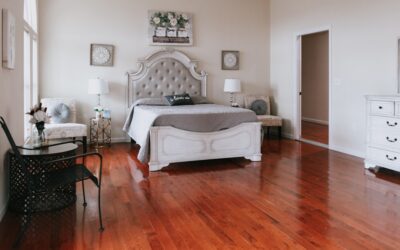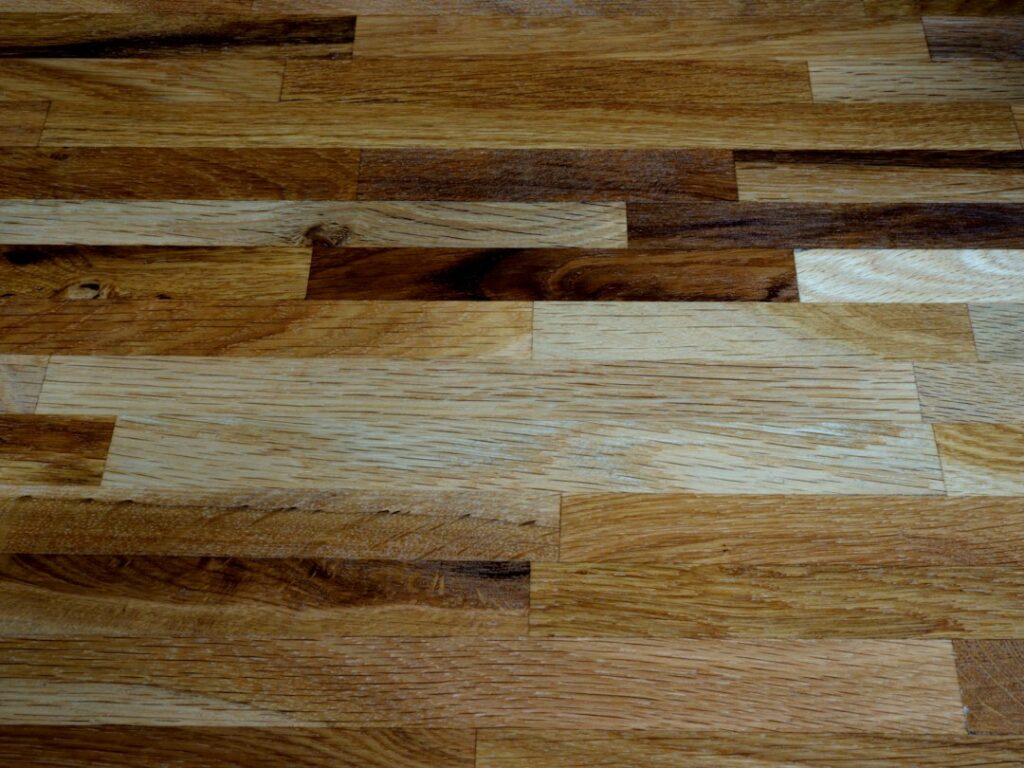
Scroll any home improvement Instagram feed and you will see thousands of pictures of laminate flooring styled to perfection — clean light, dressed rooms, and a single hero plank in the foreground. The problem is that real installations rarely look like the photo. Lighting, plank width, color undertones, and the repeat pattern of the printed grain all change the impression dramatically once the floor covers 400 square feet. This guide walks through how to read product photos critically and pick laminate that delivers on its showroom promise.
What Photos Get Right About Laminate
Modern laminate printing has come a long way. Today’s high-resolution photo-printed surfaces capture knots, grain variation, and saw marks with surprising fidelity. A close-up photo of a quality laminate plank from EGGER, Pergo, or Mohawk RevWood can be hard to distinguish from real hardwood at six feet of viewing distance.
Texture is the other thing photos can convey when shot at an angle. Embossed-in-register (EIR) laminate has texture that follows the printed grain pattern — feel the surface and you can run a fingernail along the wood grain. Photos that show oblique light catching the texture are honest representations. Flat, glossy product photos usually mean the actual plank is a smooth-finish product.
What Photos Hide
Pattern repeat is the biggest hidden issue. Budget laminate uses 8 to 12 different plank photos cycled across the entire floor. Once you install 500 square feet, the repeat becomes obvious — the same knot shows up every 30 feet, sometimes in the same row. Premium products use 30 to 60 unique plank designs and the repeat is invisible. Product photos cannot show you which category you are buying.
Color in photos is often shifted toward warmth or cool to match staged room aesthetics. Order a sample and look at it in your home’s actual lighting before committing. North-facing rooms make cool-toned laminate look gray and depressing. South-facing rooms make warm-toned laminate look orange. The same product can read completely differently across two rooms in the same house.
Style Categories Worth Knowing
- Wide plank rustic: 7 to 9 inch widths, heavy grain, hand-scraped texture — popular in farmhouse aesthetics
- Narrow plank traditional: 4 to 5 inch widths, smooth finish, oak look — fits traditional and transitional rooms
- European white oak: Light blond colors with subtle grain — dominates modern minimalist designs
- Reclaimed barnwood: Multi-tonal mix of grays, browns, and weathered patinas
- Herringbone and chevron: Geometric patterns trending in entryways and small rooms
- Stone-look laminate: Travertine, slate, and concrete prints — used in kitchens and bathrooms
Reading Product Photos Like a Pro
Look for full-room photos rather than close-ups. Manufacturer marketing leans heavily on macro plank shots that overstate detail. A full-room shot from 15 feet back tells you how the floor will actually appear in your space — including how the pattern reads at distance and how the color works against trim and walls.
Customer review photos are gold. Sites like Home Depot, Lowe’s, Wayfair, and Floor & Decor host thousands of installed-floor photos shot in real homes under real lighting. The aggregate of 50 customer photos tells you more than the slickest manufacturer marketing.
Sampling Strategy
Order three to five samples per finalist product. Plant them in the room where they will be installed and live with them for at least three days. Walk past them in morning light, midday sun, and evening lamplight. Place them next to your cabinets, furniture, and trim to gauge undertone compatibility. The sample that looked perfect at the store will surprise you in your own house — sometimes good, sometimes terrible.
Most retailers send free samples direct from the manufacturer. Floor & Decor charges $5 per sample but refunds it with purchase. Avoid making any decision without holding the physical product in the actual installation space.
Wide vs Narrow Plank Visual Impact
Plank width affects room perception more than any other variable. Wide planks (7 inches and up) make small rooms feel larger by reducing visual seam count. They also draw the eye to the floor and away from low ceilings. Narrow planks (4 to 5 inches) feel more traditional and break up large open spaces into more manageable visual chunks.
Photos rarely communicate plank width accurately. Always check the spec sheet — a “wide plank” can mean 5 inches at one brand and 9 inches at another. Lay one plank across a doorway or hallway and step back. The visual impact of width is far greater than any photo can convey.
AC Rating and Wear Layer Matter Too
Beautiful pictures of laminate flooring mean nothing if the product wears out in five years. AC rating measures abrasion resistance on a scale of AC1 to AC5. Stick to AC4 or AC5 for any room with daily traffic; AC3 is fine for bedrooms and home offices. Most premium laminates carry AC5 ratings — the marketing photos and the longevity match up.
Wear layer thickness in mils is the other key spec. Cheap laminate has 6 to 10 mil wear layers and shows scuffs within two years. Premium products run 12 to 22 mil. Pictures cannot show you wear layer thickness — read the spec sheet before buying.
Common Mistakes Buyers Make
Picking based on a styled showroom display is the most expensive mistake. The showroom uses perfect lighting, sample-sized installations (200 square feet maximum), and dressed-up rooms. The same product in your 1,400 square foot great room with mediocre fluorescent overhead lighting can look completely different.
The second-most-common error is ignoring the box label color. Laminate boxes carry a dye lot number, similar to wallpaper. Always order from the same dye lot for one project. Boxes from different lots can have visible color shifts even on the same product code — easy to miss in a photo, glaring in your living room.
Final Tips for Visual Selection
Take photos of your sample products in the actual room, then view those photos on your phone the next day. Coming back fresh tells you whether the floor still looks good or whether you talked yourself into a color you do not love. Three days of living with samples beats three hours at a showroom every time.
Prefer to explore on your own?
See how new flooring looks in your actual room in seconds — free, no signup.
Try the free Floor Studio →