If you have shopped for affordable, stain-resistant carpet, you have almost certainly come across it, even if the salesperson called it olefin. Polypropylene carpet is one of the most common synthetic carpet fibers in homes today, prized for its low price, vivid colors, and remarkable resistance to moisture stains. But it has a few real weaknesses that every buyer should understand before committing a whole room to it. Here is an honest look at where this fiber shines and where it falls short.
What Is Polypropylene Carpet?
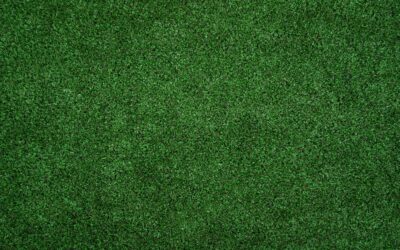
Polypropylene, also sold under the name olefin, is a synthetic fiber made from plastic resins. Unlike nylon or wool, the color is added to the molten plastic before the fiber is formed, a process called solution dyeing. That means the color runs all the way through each fiber rather than sitting on the surface. This single fact explains many of polypropylene’s strengths and is the reason it resists fading and bleaching so well. It is widely used in cut-pile, loop, and Berber carpets, as well as many indoor-outdoor and artificial-grass products.
The Advantages
Polypropylene earns its popularity through a specific set of strengths.
- Stain and moisture resistance: Because it does not absorb water, it resists water-based stains exceptionally well. Spills of juice, wine, and coffee often blot right up.
- Colorfast and fade-resistant: Solution dyeing makes it highly resistant to fading from sunlight and even mild bleach, which is why it works for sunrooms and outdoor spaces.
- Affordable: It is one of the least expensive carpet fibers, making it ideal for budget-conscious projects and large areas.
- Mold and mildew resistant: Its moisture resistance makes it suitable for basements, patios, and other damp-prone areas.
- Easy to clean: Many spills wipe up easily, and the fiber tolerates a range of cleaning methods.
The Drawbacks You Should Know
The same properties that make polypropylene affordable also create its weaknesses.
- Poor resilience: Polypropylene fibers do not bounce back well after being crushed. In high-traffic areas, the carpet can mat down and flatten over time, looking worn faster than nylon.
- Attracts oil-based stains: While it repels water-based stains, it is oleophilic, meaning it attracts and holds oily and greasy stains, which can be hard to remove.
- Less durable than nylon: It is softer and abrades more easily, so it is best for moderate rather than heavy traffic.
- Heat sensitive: Friction can melt or fuse the fibers, so dragging heavy furniture can cause permanent burn-like marks.
Where Polypropylene Carpet Works Best
Understanding its strengths and weaknesses points to the right rooms. Polypropylene is an excellent choice for bedrooms, guest rooms, and other low-to-moderate traffic spaces where its stain resistance and low cost shine without heavy wear flattening the pile. It is also a smart pick for basements and sunrooms thanks to its moisture and fade resistance, and it is the standard fiber for indoor-outdoor carpet and patio applications. Loop and Berber styles in polypropylene hold up better than plush cut-pile in busier areas because the looped construction resists crushing.
It is a poorer choice for stairs, hallways, and family rooms with constant heavy traffic, where its tendency to mat and abrade shows quickly. In those zones, a more resilient fiber like nylon is usually worth the extra cost.
Polypropylene vs. Nylon
The most common comparison shoppers face is polypropylene against nylon, and the trade-off is straightforward. Nylon is more durable, more resilient, and bounces back from crushing far better, making it the choice for high-traffic areas and longer life, but it costs more and is more prone to fading. Polypropylene is cheaper, more stain- and fade-resistant against water-based messes, and great for moisture-prone areas, but it crushes and abrades faster and holds oily stains. If your budget is tight or the room is moderate-traffic and moisture-prone, polypropylene wins. If you need maximum durability in a busy household, nylon is the better investment.
How to Clean and Care for It
Polypropylene is forgiving, but a few habits keep it looking its best.
- Vacuum regularly: Frequent vacuuming removes the dry, gritty soil that grinds down fibers and causes matting.
- Blot spills quickly: Most water-based spills lift easily if you blot, not rub, right away.
- Treat oily stains promptly: Use a solvent-based or dedicated carpet cleaner for grease, since these are the stains polypropylene struggles with.
- Avoid dragging furniture: Lift heavy items instead of sliding them to prevent friction burns.
- Deep clean periodically: Hot-water extraction works well, but avoid over-wetting and dry the carpet promptly.
Construction Styles and How They Perform
The way polypropylene is woven into carpet affects its durability as much as the fiber itself, so the style you choose matters.
- Loop pile and Berber: The fibers form uncut loops, which resist crushing and hide footprints well, making this the most durable polypropylene style for busier areas.
- Cut pile and plush: Softer and more luxurious underfoot, but the upright fibers flatten and mat faster in traffic, so reserve these for low-use rooms.
- Frieze and textured: Twisted fibers help disguise wear and footprints, offering a middle ground between plush and loop.
Pairing a loop construction with polypropylene’s natural stain resistance gives you the most forgiving, longest-lasting version of this budget fiber.
Is Polypropylene Right for Your Home?
The honest answer depends on your priorities and your rooms. If you want maximum durability and resilience for stairs, hallways, and a busy family room, polypropylene is not your best bet, and nylon will serve you longer despite the higher cost. But if your priorities are budget, stain and fade resistance, and moisture tolerance in a bedroom, basement, sunroom, or outdoor space, polypropylene is hard to beat for the price. It is also a sensible choice for rentals, vacation homes, and short-to-medium-term installations where you do not need the carpet to last twenty years. Weigh the specific room’s traffic against the fiber’s known weakness for crushing, and you will know whether it fits.
Tips Before You Buy
Choose a loop or Berber construction for areas that see more foot traffic, since looped styles resist crushing better than plush cut pile. Consider the face weight and density; a denser, heavier carpet holds up longer regardless of fiber. Be realistic about the room: polypropylene is fantastic value for the right space but a false economy in a high-traffic zone where it will flatten and need replacing sooner. And remember that quality padding underneath improves comfort and extends the life of any carpet, including polypropylene.
The Bottom Line
Polypropylene carpet is a budget-friendly, stain- and fade-resistant option that excels in bedrooms, basements, sunrooms, and outdoor spaces. Its solution-dyed fibers shrug off water-based spills and sunlight, but they crush under heavy traffic and attract oily stains, so it is best kept out of the busiest parts of the home. Match it to the right room, choose a loop construction for durability, and maintain it with regular vacuuming, and polypropylene delivers excellent value for the money.