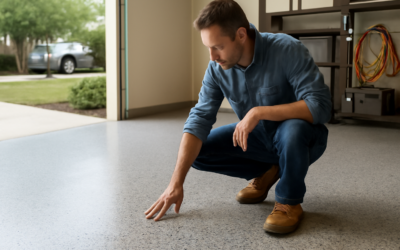
For decades, epoxy was the default upgrade for a tired concrete garage floor, until polyurea came along and rewrote the rulebook. Polyurea garage flooring is a high-performance coating that cures in hours instead of days, flexes instead of cracking, and laughs off the road salt, oil, and hot tire pickup that destroy epoxy over time. It costs more, and that price gap makes plenty of homeowners hesitate. This guide breaks down exactly what polyurea is, how it stacks up against epoxy, what it costs, and who should spend the extra money.
Part of our Epoxy, Concrete & Garage Floors guide — explore the full guide →
- What Polyurea Actually Is
- The Advantages Over Epoxy
- The Drawbacks to Consider
- What Polyurea Garage Flooring Costs
- The Installation Process
- Polyurea vs. Epoxy: Choosing Between Them
- Color, Flake, and Finish Options
- Maintenance and Long-Term Care
- Why Professional Prep Makes or Breaks the Floor
- Is Polyurea Worth It for You
What Polyurea Actually Is
Polyurea is a fast-curing elastomeric coating, a close cousin of polyurethane, originally developed for industrial and commercial applications like truck-bed liners and water-tank coatings. Applied over prepped concrete, often as a base coat with a topcoat and decorative flakes, it forms a seamless, flexible, chemical-resistant surface. Many installers use a polyurea base with a polyaspartic topcoat, a related product that adds UV stability and a tougher wear surface. The result is a finish far more durable than traditional epoxy.
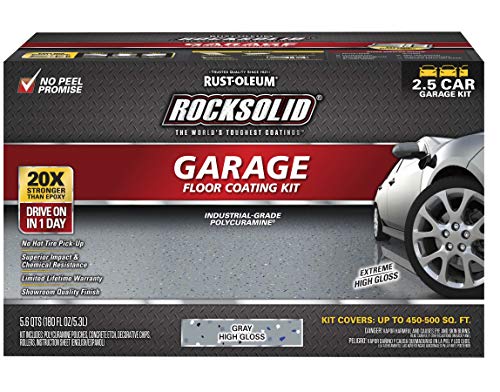
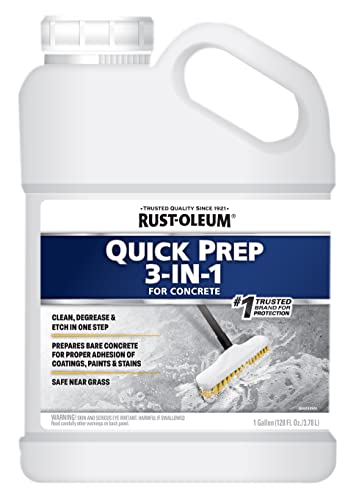

If you’re running out of room even with a clean garage floor, a backyard shed takes the overflow — seasonal gear, tools, lawn equipment. And if you’re parking outside while the garage doubles as a workshop, a carport keeps your car covered without needing a second garage.
We may earn a commission when you purchase through our links.
The Advantages Over Epoxy
Polyurea earns its premium with real performance gains:
- Fast curing — cures in a few hours; many systems let you walk on it the same day and park within 24 hours, versus 3 to 7 days for epoxy.
- Flexible, crack-resistant — it flexes with the concrete instead of becoming brittle, so it resists cracking and chipping.
- UV stable — it won’t yellow or fade in sunlight the way epoxy does.
- No hot tire pickup — it resists the peeling that happens when hot tires bond to epoxy.
- Chemical and stain resistant — shrugs off oil, gasoline, brake fluid, and road salt.
- Long lifespan — a quality polyurea floor can last 15 to 20+ years.
The Drawbacks to Consider
No floor is flawless. The biggest knock against polyurea is cost; it runs notably more than epoxy. Its lightning-fast cure time is a double-edged sword, because it leaves installers very little working time, which makes DIY application genuinely difficult and risky. A botched self-install can set up before you’ve finished, leaving lap marks and uneven coverage. For this reason, polyurea is almost always a professional job, which is part of why the total cost runs higher.
What Polyurea Garage Flooring Costs
Expect to pay a premium for the performance. Professionally installed polyurea-polyaspartic systems typically run $5 to $12 per square foot, putting a standard two-car garage of roughly 400 to 500 square feet in the $2,500 to $6,000 range. By comparison, a professional epoxy floor often runs $3 to $7 per square foot, and a DIY epoxy kit can be as little as $1.50 to $3 per square foot in materials. The polyurea premium buys faster cure, longer life, and far better resistance to the things that ruin garage floors.
The Installation Process
Surface prep is everything, regardless of coating. A proper polyurea job starts with diamond grinding or shot-blasting the concrete to open the pores, followed by repairing cracks and pits. The installer then rolls on the polyurea base coat, broadcasts decorative color flakes for grip and looks, and finishes with a clear topcoat. Because the material cures so fast, crews often complete a two-car garage in a single day, one of polyurea’s biggest practical advantages over multi-day epoxy projects.
Polyurea vs. Epoxy: Choosing Between Them
The decision comes down to budget versus longevity. Epoxy is cheaper and DIY-friendly, making it a fine choice for a lightly used garage or a tight budget, but it cures slowly, can yellow, and is prone to hot tire pickup and cracking over time. Polyurea costs more and essentially requires a pro, but it cures in hours, resists UV and chemicals, flexes with the slab, and lasts far longer. If you use your garage hard, live in a salt-belt climate, or want a floor you install once and forget, polyurea is the better long-term value.
Color, Flake, and Finish Options
Polyurea floors are as customizable as they are durable. The most popular look broadcasts decorative vinyl flakes, sometimes called chips, into the wet base coat, then locks them under a clear topcoat. These flakes come in countless color blends, from subtle grays and tans to bold custom combinations, and they do double duty by adding slip resistance and hiding minor surface imperfections. You can also choose a solid color with no flake for a cleaner, more industrial look, or add metallic pigments for a marbled, high-end finish. The clear topcoat determines the final sheen, ranging from a satin look to a glossy, showroom shine that makes the garage feel like finished living space.
Maintenance and Long-Term Care
One of polyurea’s quiet advantages is how little upkeep it demands. The seamless, non-porous surface won’t absorb oil, salt, or chemicals, so spills wipe up with a rag and cleanups are quick. For routine care, sweep or dust-mop to remove grit, and damp-mop with a mild cleaner when needed. Because there’s no grout or seams for dirt to lodge in, and the UV-stable topcoat resists yellowing, a polyurea floor keeps looking new for years with almost no effort. Avoid harsh abrasive scrubbers, which can dull the finish, but otherwise the floor is genuinely low-maintenance, part of why its long-term value beats coatings that need periodic recoating.
Why Professional Prep Makes or Breaks the Floor
No coating, polyurea included, sticks to concrete that wasn’t prepared right, and failed garage floors almost always trace back to inadequate prep rather than the product itself. Proper preparation means mechanically profiling the concrete by diamond grinding or shot-blasting to open its pores so the coating can grip, not just acid-etching or pressure-washing. Existing cracks, pits, and spalling must be repaired and the slab must be fully dry, since moisture trapped under the coating causes bubbling and delamination. This is the main reason polyurea is a professional job: pros have the grinders, moisture meters, and experience to get the prep right, and that prep is exactly what determines whether your floor lasts two years or twenty.
Is Polyurea Worth It for You
For homeowners who want the most durable, longest-lasting garage floor and don’t mind paying for a professional install, polyurea garage flooring is hard to beat. It excels in cold climates where road salt attacks concrete, in workshops exposed to chemicals, and for anyone who wants their car back in the garage the same day. If your garage sees light use and your budget is tight, a quality epoxy floor still does the job. But when you factor in the 15-to-20-year lifespan and minimal maintenance, polyurea’s higher upfront cost often works out cheaper over the life of the floor.