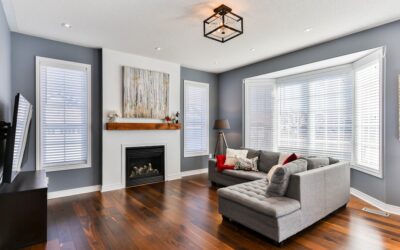
The term polyurethane paint is used loosely to describe both polyurethane clear coats (protective finishes applied over stain or paint) and paint products that contain polyurethane resins for enhanced durability. Understanding the difference matters because these are fundamentally different products with different applications. A polyurethane clear coat protects wood surfaces from moisture and wear. A polyurethane-modified paint provides a harder, more durable painted finish than standard latex or alkyd paints. Here is how each works and when to use them.
Part of our Paint & Walls guide — explore the full guide →
Polyurethane Clear Coats
Clear polyurethane is the standard protective finish for hardwood floors, stained furniture, and wood trim. It creates a transparent, durable film that resists scratches, moisture, and chemical spills. Two types dominate the residential market:
- Oil-based polyurethane: Amber tone that warms wood color over time. Extremely durable — the professional choice for hardwood floors. Longer dry time (6-8 hours between coats, 24 hours before light use). Strong odor during application. Minwax Fast-Drying Polyurethane ($15-$20/quart) is the most popular brand
- Water-based polyurethane: Crystal clear, no yellowing. Dries faster (2-3 hours between coats). Lower odor. Slightly less durable than oil-based but closes the gap in premium formulas. Minwax Polycrylic ($15-$18/quart) and General Finishes High Performance ($20-$25/quart) are top choices
Apply 3 coats minimum for hardwood floors (sanding lightly with 220-grit between coats), 2-3 coats for furniture and trim. Use a natural bristle brush or foam applicator for oil-based, and a synthetic bristle brush or foam pad for water-based. A high-quality applicator makes more difference than the polyurethane brand — cheap brushes leave streaks and shed bristles into the wet finish.
Polyurethane-Modified Paints
Several paint manufacturers add polyurethane resins to their premium paint lines to create a harder, more durable painted finish. These are true paints (opaque color, not clear) formulated for surfaces that need extra durability:
- Sherwin-Williams Emerald Urethane Trim Enamel ($70-$80/gallon): Water-based paint with polyurethane resin. The gold standard for painting kitchen cabinets, trim, and doors. Levels beautifully, cures to a hard, furniture-quality finish. Available in satin, semi-gloss, and gloss
- Benjamin Moore Advance ($55-$65/gallon): Alkyd-modified waterborne paint with polyurethane-like hardness. Excellent leveling — brush marks disappear as it dries. Popular for cabinets and furniture. Longer dry time (16 hours between coats) than standard latex
- PPG Breakthrough ($45-$55/gallon): Acrylic-alkyd hybrid with exceptional adhesion to glossy surfaces. Can be applied over existing finishes with minimal prep. Fast dry time (1 hour). Good for doors, trim, and cabinets
When to Use Each Type
- Clear polyurethane: Over stained wood where you want to see the wood grain (floors, stained furniture, natural wood trim). Applied over a completed stain job as the protective topcoat
- Polyurethane-modified paint: When you want opaque color with maximum durability (kitchen cabinets, bathroom vanities, front doors, interior trim, furniture). The paint itself provides both color and protection in one product
- Standard latex paint: Walls and ceilings where extreme durability is not needed. Cheaper and easier to apply than polyurethane-modified options. Adequate for surfaces that are not touched, scrubbed, or exposed to moisture daily
Application Tips for Best Results
Surface preparation determines 80% of the final result with any polyurethane product. Clean all surfaces thoroughly — grease, dust, and fingerprints cause adhesion failure. Sand previously finished surfaces with 150-220 grit to create tooth for the new coat. Apply a bonding primer (Stix, Kilz Adhesion) on glossy or previously painted surfaces before applying polyurethane paint.
Temperature affects cure quality significantly. Apply polyurethane products between 50-85°F with humidity below 70%. Cold temperatures slow curing and prevent the finish from hardening properly. High humidity causes water-based products to dry cloudy or milky. Plan your application for mild, dry days and allow adequate ventilation — even low-VOC water-based products benefit from open windows and fan circulation during the first 24 hours of curing.
Dry Time vs. Cure Time
Dry time (when you can recoat) and cure time (when the finish reaches full hardness) are very different for polyurethane products. Oil-based polyurethane is dry to touch in 4-6 hours and ready for recoat in 6-8 hours, but does not reach full hardness for 30 days. Water-based polyurethane dries in 2-3 hours but fully cures in 14-21 days. Polyurethane paint follows similar patterns — it feels dry quickly but is not fully hard for 2-4 weeks.
During the cure period, treat the surface gently. Kitchen cabinets painted with polyurethane paint should not be loaded with heavy items or scrubbed aggressively for at least 2 weeks. Floors coated with polyurethane clear coat should not receive area rugs or furniture pads for 14-30 days — trapped moisture and pressure during curing can leave permanent marks in the not-yet-hardened finish.
Common Mistakes
Applying polyurethane too thickly is the most frequent error. Thick coats trap solvents beneath the surface skin, causing bubbles, cloudiness, and extended dry times. Two thin coats outperform one thick coat in every measurable way — better clarity, faster drying, harder film, and smoother surface. If you can see the polyurethane pooling or running during application, you are applying too much. Spread it thinner and make additional passes rather than trying to build thickness in a single coat.