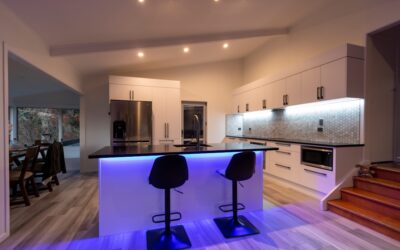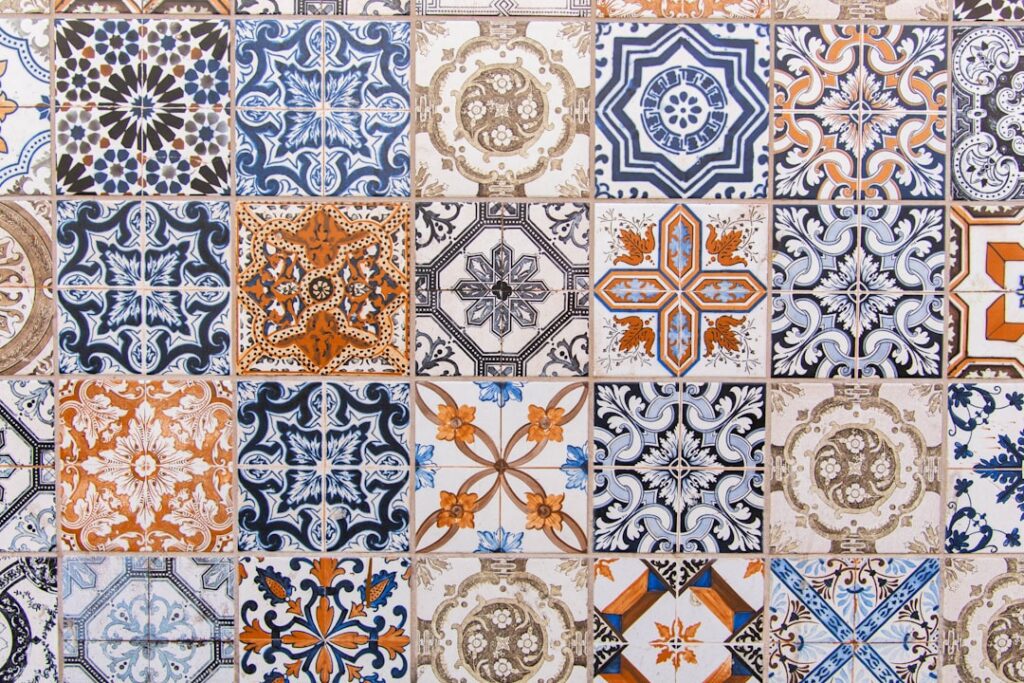
If you have searched for tough, water-resistant flooring, you have almost certainly come across porcelin tile, the common spelling people use for porcelain tile. The name may get typed a dozen different ways, but the product is one of the most reliable surfaces you can put in a home. Fired at extreme temperatures into a dense, nearly impervious material, porcelain handles water, traffic, and decades of use better than almost any other tile. Here is what makes it worth considering and how to buy it wisely.
Part of our Tile & Grout guide — explore the full guide →
What Sets Porcelain Apart From Ceramic
Porcelain is technically a type of ceramic, but it is made from finer, denser clay and fired at higher temperatures, often above 2,200°F. That process produces a tile with very low water absorption, defined as 0.5 percent or less, compared to standard ceramic which absorbs more. The result is a harder, denser, more durable tile that resists moisture, frost, and wear.
This density is why porcelain works where ordinary ceramic struggles: outdoors in freezing climates, in showers, and on high-traffic floors. The trade-off is that porcelain is harder to cut and slightly more expensive than basic ceramic.
Through-Body vs. Glazed
Understanding the two main constructions helps you pick the right tile for the job.
- Through-body (full-body) porcelain: The color and composition run all the way through. A chip barely shows because the same material is underneath, making it ideal for heavy commercial-grade floors.
- Glazed porcelain: A decorative glaze sits on top of the porcelain body, allowing endless colors, patterns, and realistic wood or stone looks. The most common residential choice.
For a busy entryway or a garage-adjacent mudroom, through-body resists showing wear. For a stylish kitchen or bath, glazed porcelain offers the design flexibility most homeowners want.
Reading the PEI Rating
The PEI rating measures a glazed tile’s resistance to surface abrasion, and it tells you where a tile belongs. The scale runs from 1 to 5.
- PEI 1: Walls only, no foot traffic.
- PEI 2: Light traffic, like bathrooms.
- PEI 3: Moderate traffic, suitable for most residential floors.
- PEI 4: Heavy traffic, good for busy homes and light commercial use.
- PEI 5: Extra-heavy traffic, built for commercial spaces.
For a typical home floor, PEI 3 or 4 covers nearly every situation. Do not put a PEI 1 wall tile on the floor, no matter how good it looks.
Where Porcelain Excels
Porcelain’s water resistance and durability make it a top choice across the home. It is a standout for bathrooms and showers, where its low absorption resists moisture and mold. Kitchens benefit from its scratch and stain resistance, and entryways and mudrooms shrug off tracked-in grit. Because frost-rated porcelain survives freeze-thaw cycles, it also works on patios and outdoor walkways in cold climates.
Wood-look porcelain planks deserve special mention. They deliver the warm appearance of hardwood with porcelain’s waterproof toughness, a combination genuine wood cannot match in a wet area.
What It Costs
Porcelain tile material generally runs from the low single digits up to higher prices per square foot for premium designs and large-format pieces. Installation adds to that, and porcelain typically costs a bit more to install than ceramic because it is harder and requires diamond blades and sometimes more time to cut cleanly.
When budgeting, account for the tile, thinset, grout, any backer board, and labor. Buy 10 to 15 percent extra to cover cuts, breakage, and future repairs, since dye lots can vary and matching later is difficult.
Installation Considerations
Porcelain installs like other tile but demands a flat, rigid substrate. On floors, that means a stable subfloor with cement backer board or an uncoupling membrane to prevent cracking from movement. Large-format porcelain especially needs a very flat surface, since lippage, uneven edges between tiles, shows badly on big pieces.
Cutting porcelain requires a wet saw with a diamond blade; the density that makes it durable also makes it tough to score and snap like ceramic. For intricate cuts around outlets and fixtures, a diamond hole saw helps. If you are not confident with a wet saw, large-format or patterned porcelain layouts are worth handing to a pro.
Popular Porcelain Looks
One reason porcelain dominates modern flooring is the sheer variety of appearances it can convincingly imitate. Manufacturing technology lets glazed porcelain reproduce natural materials at a fraction of their maintenance.
- Wood-look planks: The grain and tone of oak, hickory, or walnut with full waterproof durability.
- Stone-look tile: The veining of marble or the texture of slate without sealing.
- Concrete and cement looks: Industrial, modern finishes that stay easy to clean.
- Large-format slabs: Big panels with minimal grout lines for a seamless, contemporary feel.
This versatility lets you get the exact aesthetic you want, whether rustic wood in a wet mudroom or sleek concrete in a modern kitchen, without the drawbacks of the genuine material.
Grout Choices and Layout
The grout you choose shapes both the look and the upkeep of a porcelain floor. A grout color that closely matches the tile minimizes the visual grid and makes a floor look more seamless, while a contrasting grout emphasizes the pattern and each tile’s shape. For low-maintenance floors, many people now choose epoxy or stain-resistant grouts that resist staining better than traditional cement grout and need no sealing.
Layout matters too. A straight grid feels clean and modern, a brick or offset pattern adds movement, and a diagonal layout can make a small room feel larger. For wood-look planks, a randomized offset mimics the look of real plank flooring. Plan your layout so cut tiles fall in less visible areas and full tiles anchor the room’s focal points.
Cleaning and Maintenance
Low maintenance is one of porcelain’s biggest selling points. The dense, often glazed surface does not need sealing the way porous natural stone does, though the grout lines usually do. Routine care is simple: sweep or vacuum to remove grit, then mop with warm water and a mild, pH-neutral cleaner.
Avoid harsh abrasives and, for polished porcelain, overly oily cleaners that can leave a film. Seal the grout to keep it from staining, and clean spills before they sit. With this minimal effort, porcelain tile keeps its appearance for decades, which is exactly why it remains one of the most popular and dependable flooring choices in American homes.
Prefer to explore on your own?
See how new flooring looks in your actual room in seconds — free, no signup.
Try the free Floor Studio →