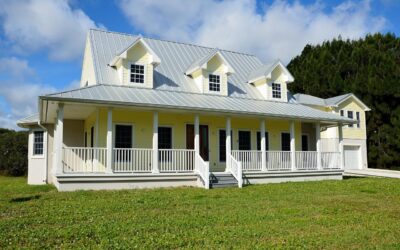
Choosing the right porch floor covering means balancing weather exposure, foot traffic, and how much upkeep you actually want to sign up for every spring. A porch sits in a strange middle ground between indoor and outdoor space: it is usually roofed and partially protected, yet still exposed to temperature swings, humidity, and in many climates, direct rain blowing in at an angle. That combination rules out some flooring categories entirely and makes others perform very differently than they would inside the house.
The right choice also depends heavily on whether the porch is open, screened, or fully enclosed, since a screened porch sees far less standing water and UV degradation than an open, uncovered deck-style porch exposed to full sun and storms.
- Porch Paint and Floor Coatings
- Composite Decking on a Porch
- Tile and Stone for Covered Porches
- Outdoor Carpet and Turf Options
- Wood Decking: Pressure-Treated and Natural Species
- Matching Covering to Porch Type
- Maintenance Realities by Material
- Budgeting for a Porch Floor Project
- Structural and Drainage Checks Before You Commit
- Regional Climate Factors
Porch Paint and Floor Coatings
Porch and floor enamel remains one of the most budget-friendly options for wood or concrete porches, running $30 to $50 per gallon and covering roughly 300 to 400 sq ft per coat. Oil-based porch paints resist foot traffic and moisture reasonably well, while newer acrylic and epoxy-based porch coatings offer better UV stability and color retention over several seasons. Expect to recoat every 3 to 5 years on a covered porch, sooner on one with full sun exposure.
Surface prep matters more than the paint itself: a wood porch floor needs sanding and a stain-blocking primer if there is any existing peeling paint, while concrete needs an etching or bonding primer so the topcoat actually adheres instead of flaking off within a year.
With your porch floor looking fresh, it’s worth thinking about the finishing touches. A porch swing is a classic addition, and a retractable awning helps protect both the floor and your furniture from sun and rain.
We may earn a commission when you purchase through our links.
Composite Decking on a Porch
Composite decking boards, made from a wood-plastic blend, run $3 to $9 per sq ft in material cost and install similarly to traditional deck boards over joists with hidden fastener clips. This is a strong choice for open or screened porches because it will not rot, splinter, or need staining, and most brands offer a 25-year fade and stain warranty. Composite does run noticeably hotter underfoot in direct summer sun than wood, so it suits a shaded or screened porch better than a south-facing open one in a hot climate.
Installation typically requires proper joist spacing, usually 16 inches on center, and ventilation beneath the boards to prevent moisture buildup, so an existing solid porch floor sometimes needs joist modification before composite boards go down.
Tile and Stone for Covered Porches
Porcelain and natural stone tile work well on covered, well-drained porches, particularly those with a concrete slab base. Look specifically for tile rated for exterior or freeze-thaw use, since interior-rated porcelain can crack when water gets into hairline pores and freezes in cold climates. Outdoor porcelain tile costs $3 to $8 per sq ft for material, with professional installation adding $8 to $15 per sq ft given the extra care required for proper slope and drainage.
A functioning porch tile installation needs a slight slope, generally 1/4 inch per foot, directing water away from the house foundation and toward the porch edge or a drain, which is a detail many DIY installers miss and later regret when water pools against the threshold.
Outdoor Carpet and Turf Options
Outdoor-rated carpet and artificial turf provide a softer, warmer surface underfoot and cost $2 to $5 per sq ft for material. These work best on fully screened or enclosed porches where UV exposure and standing water are minimal, since unprotected outdoor carpet mildews quickly in humid climates without adequate drainage beneath it. Turf porches have become popular for households with dogs, since it is easy to hose down, though it needs a properly perforated backing and base to drain effectively rather than trapping moisture and odor.
Wood Decking: Pressure-Treated and Natural Species
Pressure-treated pine remains the least expensive porch flooring at $2 to $4 per sq ft, but it requires annual or biennial sealing to prevent graying, cupping, and splintering, especially on an open porch. Tongue-and-groove porch flooring in cedar or fir, often installed diagonally or in a herringbone pattern on traditional front porches, costs $4 to $8 per sq ft and offers a more finished, classic look but demands the same ongoing sealant maintenance.
Ipe and other tropical hardwoods run $8 to $15 per sq ft and resist rot and insects far better than domestic species, lasting 25 years or more with minimal maintenance, though the higher upfront cost and the need for specialized fasteners (since standard screws can snap in the dense wood) push many homeowners toward composite instead.
Matching Covering to Porch Type
- Open, uncovered porches: composite decking or tropical hardwood handle direct sun and rain best; avoid carpet, turf, and interior-rated tile entirely.
- Screened porches: tile, painted wood, or outdoor carpet all perform well since rain and UV exposure are limited.
- Fully enclosed, climate-controlled porches (three-season or four-season rooms): almost any interior flooring works, including laminate or engineered wood, since the space behaves more like an interior room.
- High-humidity coastal climates: favor composite, tile, or sealed hardwood over any wood-plastic blend prone to trapping moisture at fastener points.
Maintenance Realities by Material
Painted wood needs the most consistent attention: inspect for peeling or chipped paint each spring and touch up immediately, since exposed wood under a failed paint layer deteriorates fast once water gets in. Composite decking needs only periodic washing with soap and water or a composite-safe cleaner to remove pollen, mildew film, and grease stains, with no sealing or staining required over its service life.
Tile needs grout sealing every 1 to 2 years on an exposed porch to prevent water intrusion and staining, while stone surfaces benefit from a penetrating sealer reapplied annually. Outdoor carpet and turf require the most frequent cleaning to prevent mildew, particularly in humid regions, and should be lifted and checked for trapped moisture beneath the backing at least once a year.
Budgeting for a Porch Floor Project
For a typical 200 sq ft front porch, painted wood restoration runs $600 to $1,500 including prep and materials, composite decking installation lands between $1,800 and $3,600, and tile with proper slope and drainage work typically costs $2,800 and up including labor. Factor in an additional $200 to $500 for railing, trim, or threshold work if the new flooring changes the finished height at doorways, which is common when switching from thin painted wood to thicker composite or tiled substrate.
Structural and Drainage Checks Before You Commit
Before choosing a covering, inspect the joists and framing underneath an existing porch floor, especially on older homes where a century of moisture exposure may have caused rot at ledger boards or support posts. Tapping suspect boards with a screwdriver handle and checking for a soft, spongy response is a quick way to flag hidden damage before it becomes a surprise mid-project. Any framing repairs should happen before new flooring goes down, since covering compromised joists with attractive new material just delays a more expensive fix later.
Water management deserves equal attention. A porch floor that pitches toward the house rather than away from it will eventually cause moisture problems at the foundation and door thresholds, regardless of how durable the surface material is. Standard guidance calls for at least a 1/4 inch per foot slope away from the house on open porches, and even covered porches benefit from a slight pitch to shed wind-blown rain and condensation rather than letting it pool against the threshold.
Regional Climate Factors
Homeowners in freeze-thaw climates need materials rated to handle repeated expansion and contraction from moisture trapped in pores, which rules out standard interior tile and pushes the decision toward composite, sealed hardwood, or freeze-rated porcelain. In hot, sun-intense climates such as the Southwest, material surface temperature becomes the bigger concern, since dark-colored composite or tile can reach uncomfortable temperatures underfoot in direct afternoon sun, making lighter color choices or a shaded, screened design more practical.
Coastal and high-humidity regions favor materials resistant to mildew and salt-air corrosion; composite decking with stainless or coated fasteners and sealed tile grout both hold up well, while untreated pressure-treated wood needs more frequent inspection and resealing in that kind of environment.
Prefer to explore on your own?
See how new flooring looks in your actual room in seconds — free, no signup.
Try the free Floor Studio →