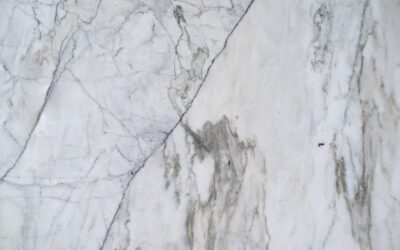
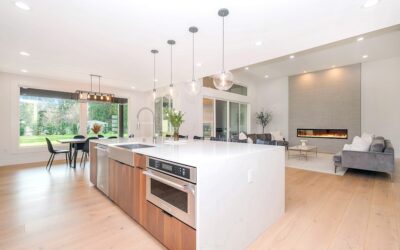
For years, white-on-gray was the only marble-look most kitchens dared to try. That is changing fast. Quartz with green veins has surged in popularity as homeowners reach for warmer, more characterful surfaces that break away from the sea of plain white counters. Whether you picture deep emerald ribbons across a creamy slab or soft sage veining that whispers rather than shouts, green-veined engineered quartz brings color and personality to a surface that still cleans up as easily as any modern quartz. This guide covers the looks, the cost, the styling, and the care.
Part of our Countertops guide — explore the full guide →
Why Green Veining Is Trending
Green has quietly become the color of the moment in kitchen design. Sage and forest cabinetry, brass fixtures, and nature-inspired palettes have all pushed homeowners toward surfaces that pick up an organic, earthy feel. A green-veined slab bridges the classic marble-look silhouette with a warmer, more grounded color story, which is exactly why designers keep specifying it.
The appeal is versatility. A subtle sage vein reads calm and sophisticated in a neutral kitchen, while a bold emerald vein turns an island into a jewel-box centerpiece. Either way, it delivers the drama of natural veining without committing to a temporary trend color across your entire cabinetry — the counter carries the accent instead.
The Range of Green-Veined Looks
Not all green veining is the same, and knowing the styles helps you shop smarter.
- Emerald and deep green veins: Rich, saturated veins on a white or cream base. Dramatic and high-contrast, ideal for a statement island or a maximalist kitchen.
- Sage and muted green veins: Soft, gray-green veining that reads as a gentle wash of color. Understated and easy to live with in a neutral space.
- Green with gold or amber accents: Some patterns layer warm metallic-look veins alongside the green, mimicking exotic natural stones and pairing naturally with brass hardware.
- Green on darker fields: Less common, these place green veins over a gray or greige base for a moodier, more contemporary effect.
Because engineered quartz is manufactured — roughly 90 to 93 percent ground quartz bound with resin and pigment — the veining is designed rather than mined. That gives you a consistent, matchable pattern across multiple slabs, which matters when you are coordinating counters with an island or a backsplash.
What Green-Veined Quartz Costs
Expect green-veined quartz to price like other premium patterned quartz. US quartz countertops generally run $50 to $120 per square foot installed, and richly veined designer patterns tend to land in the mid-to-upper part of that band. Budget roughly $65 to $115 per square foot fabricated and installed for a quality green-veined product.
- Kitchen estimate: A 40-square-foot kitchen runs about $3,000 to $5,000 all-in.
- Pattern rarity: Distinctive colorways sometimes carry a slight premium over mainstream whites and grays simply because they are specialty items with lower volume.
- Vein matching and edges: Continuous veining across seams, waterfall edges, and mitered thick edges all add labor cost.
Always view the actual slab before buying. Green veining varies a lot in saturation and density between products, and a showroom slab under real lighting tells you far more than a small chip sample or a website photo.
How to Style It
Green-veined quartz is a natural partner for warm materials. Brass, gold, and champagne-bronze hardware and faucets echo the earthy tone and lift the whole palette. For cabinetry, you have two strong directions: go tonal with sage or muted green cabinets for an enveloping, layered look, or keep cabinets neutral — white, cream, or warm wood — and let the counter be the star.
Natural wood tones pair beautifully with green veining, so open shelving in oak or walnut reinforces the organic feel. On the backsplash, running the same slab full height creates a seamless, high-impact wall; alternatively, a simple neutral zellige or subway tile keeps the focus on the counter. Warm brass pendant lights overhead complete the nature-inspired scheme.
Care and Maintenance
One of the quiet advantages of choosing quartz over a green natural stone like a serpentine or green marble is maintenance. Engineered quartz is non-porous, so it never needs sealing, resists stains, and does not etch when acid touches it — problems that plague natural green stones. Everyday cleaning is warm water, a drop of dish soap, and a soft cloth; a non-abrasive surface cleaner handles anything stubborn.
Protect the surface with a few simple habits:
- Use a trivet under hot pots and pans — the resin binder can scorch above roughly 300°F.
- Skip bleach, oven cleaner, and abrasive scrubbing pads, which can dull the polished finish.
- Use a cutting board to keep both the counter and your knives in good shape.
- Wipe up spills at your convenience; the non-porous surface will not stain, but keeping it clean shows the veining at its best.
A green-veined surface is actually forgiving in daily life — the pattern and color hide crumbs and water spots better than a stark bright white, which makes it a smart pick for a busy family kitchen.
Is Green-Veined Quartz Right for You?
Choose it if you want warmth and personality without high upkeep, if you are drawn to nature-inspired or jewel-tone palettes, or if you simply want to step away from the ubiquitous white-and-gray look. It works in kitchens, bathroom vanities, bars, and laundry rooms, and it plays especially well in spaces with warm wood, brass, and plenty of natural light. If your taste is strictly minimalist and monochrome, a subtle sage version may suit you better than a bold emerald; if you love color, the emerald pattern is a showstopper.
Frequently Asked Questions
Is quartz with green veins a natural stone?
No. It is engineered quartz — ground natural quartz combined with resin and pigment. The green veining is created during manufacturing, which is why it is consistent and non-porous, unlike natural green stones such as serpentine or green marble.
Will the green fade over time?
Quality quartz is UV-stabilized for indoor use and should not fade indoors. As with any quartz, prolonged direct sunlight over many years can affect color, so it is not recommended for outdoor kitchens unless specifically rated.
Does green-veined quartz go out of style?
Marble-look veining is a long-running classic, and green is grounded in nature-inspired design that keeps returning. A muted sage version is the safest long-term bet; a bold emerald is more of a fashion-forward statement.
Can I match it with a green backsplash?
Yes, and running the same slab as a full-height backsplash is the most seamless option. If you prefer tile, choose a neutral or a tone-on-tone green so the two greens complement rather than clash.
How do I keep the veins from looking repetitive across a large kitchen?
Because the pattern is engineered, very long runs can show some repetition. The fix is to review full slabs at the fabricator and plan the layout so seams and slab breaks fall at natural points — behind a cooktop, at an inside corner, or under a sink — where the eye does not track a continuous vein. A good fabricator will lay out your pieces to keep the movement looking organic.
What countertop edge suits a green-veined slab?
A simple eased or straight edge keeps the focus on the veining and reads clean and modern. If you want a more traditional feel, a small bevel or a mitered thick edge works well. Avoid overly ornate profiles like heavy ogees, which tend to fight with the bold color and pattern rather than complement it.
Warm, characterful, and remarkably easy to maintain, quartz with green veins lets you bring real color into the kitchen without sacrificing the low-fuss performance that makes engineered quartz so popular. Pick your saturation, pair it with warm metals and wood, and you have a surface that feels both current and timeless.