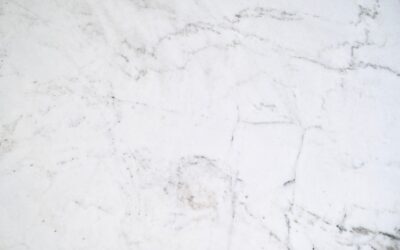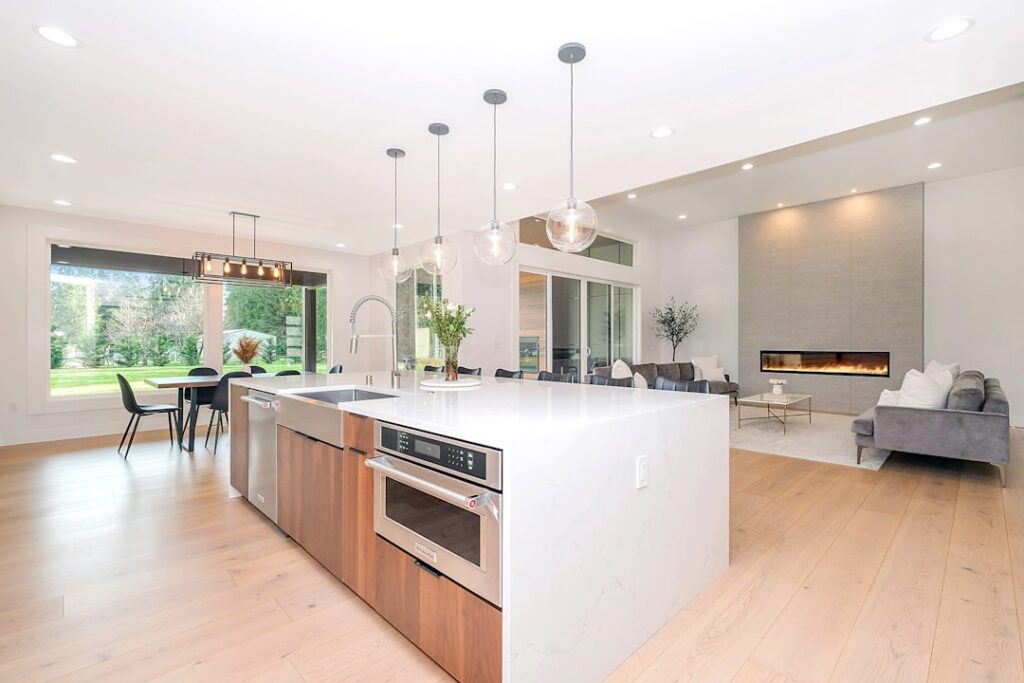
Few surfaces make a kitchen feel as instantly luxurious as warm metallic veining threading across a bright, polished slab. Quartz countertops with gold veins capture the coveted Calacatta Gold marble aesthetic without the fragility or upkeep of natural stone. If you love the glow of brass, amber, and honey tones woven into a creamy or white background, engineered quartz delivers that drama with far greater durability. This guide covers the look, performance, leading brands, pricing, and how to pair gold-veined quartz with the rest of your design.
Part of our Countertops guide — explore the full guide →
- What Makes Gold-Veined Quartz So Appealing
- Durability and Everyday Performance
- Popular Brands and Patterns
- Cost of Gold-Veined Quartz Countertops
- How Gold-Veined Quartz Is Fabricated and Installed
- Design and Pairing Ideas
- Pros and Cons at a Glance
- Choosing Quartz With Gold Veins: Edges, Vein Direction and Lighting
- Frequently Asked Questions
What Makes Gold-Veined Quartz So Appealing
Engineered quartz is manufactured from roughly 90 to 94 percent ground natural quartz bound with resins and pigments. That process lets manufacturers print consistent, artful veining that mimics rare marbles, so a gold-veined slab gives you the sought-after Calacatta Gold or Calacatta Borghini look at a fraction of the cost and worry.
Warm veining reads differently than the cool gray streaks of classic Carrara. Gold and amber tones add a sense of richness and cast a flattering glow under both warm and cool lighting. On a white or ivory base, the effect is elegant and timeless; on a greige or soft-taupe base, it feels earthier and more contemporary. Because the pattern is engineered, you can preview it reliably, unlike natural marble where every slab varies.
Durability and Everyday Performance
This is where quartz decisively outshines the marble it imitates. Real Calacatta Gold is a soft, porous marble that etches from lemon juice and stains from red wine. Gold-veined quartz sidesteps those weaknesses entirely.
- Non-porous: It never needs sealing and resists staining from wine, coffee, oil, and citrus.
- Hardness: Quartz rates around 7 on the Mohs scale, harder than marble at 3 to 4, so it resists scratching from everyday use.
- Hygienic: The sealed, non-porous surface won’t harbor bacteria, a plus around food prep.
- Low maintenance: Warm water and mild soap keep it looking new, no specialty stone cleaners required.
One limitation to respect: quartz is heat-sensitive. The resins can scorch or discolor above roughly 300 degrees Fahrenheit, so always use trivets for hot pans. Direct, prolonged sunlight can also fade some quartz over years, making it better suited to indoor kitchens than sun-blasted outdoor installations.
Popular Brands and Patterns
Most major engineered-stone manufacturers offer at least one gold-veined design in their Calacatta-inspired collections. Rather than fixating on a single name, focus on the pattern scale, vein color, and base tone that suit your space. Common characteristics across the category include:
- Bold, dramatic gold veins on a bright white base for a statement island.
- Soft, wispy amber threading on a warm off-white for a subtler, transitional feel.
- Larger-format slabs, often around 120 by 55 inches or 126 by 63 inches, that minimize seams on big islands.
When you shop, view a full slab rather than a small sample. Veining flows across the whole piece, and a fabricator can help you position dramatic movement exactly where you want it, such as flowing down a waterfall edge. Ask about the manufacturer’s warranty too, quality quartz typically carries a limited lifetime residential warranty.
Cost of Gold-Veined Quartz Countertops
Because the intricate gold veining sits in premium, designer-tier collections, expect to pay toward the upper end of the quartz range. Installed pricing generally runs $60 to $130 per square foot, with the most sought-after Calacatta Gold look-alikes landing between $80 and $120 installed.
For a typical 40 to 55 square foot kitchen, that translates to roughly $3,200 to $7,000 depending on slab choice, edge profile, and cutouts. Compare that to genuine Calacatta Gold marble, which often exceeds $150 per square foot installed and demands ongoing sealing and careful use. Factors that raise your quote include waterfall edges, full-height backsplashes, mitered thick edges, and complex island shapes.
How Gold-Veined Quartz Is Fabricated and Installed
Understanding the fabrication path helps you make smart choices at the slab yard. After you select your slab, the fabricator templates your cabinets, usually 3 to 7 days after they’re installed and leveled, capturing exact measurements with a laser or digital jig. The shop then cuts the slab with diamond-tipped saws and CNC machinery, bores sink and faucet holes, and polishes the chosen edge profile.
With bold gold veining, seam placement becomes a design decision, not just a technical one. A skilled fabricator matches the pattern across a seam so the veins appear to flow continuously, which dramatically improves the finished look on large islands. Ask to see how the shop plans to lay out your slab before cutting. From template to installation, most projects finish in 1.5 to 3 weeks, with the in-home install itself completed in a single day.
Design and Pairing Ideas
Gold veining is a design gift because it bridges warm and cool palettes. To let the counters shine, keep surrounding elements relatively calm.
Cabinetry
Crisp white or soft cream cabinets keep the look airy and classic. For contrast, deep navy or forest-green lower cabinets make the gold veins pop while feeling current. Natural wood tones, especially white oak, echo the warmth of the veining beautifully.
Hardware and Fixtures
Lean into the metallic theme with brushed brass or champagne-gold pulls and faucets. These finishes tie directly to the veins and create a cohesive, high-end feel. Matte black is a striking alternative if you want contrast rather than harmony.
Backsplash
A full-height slab backsplash in the same quartz creates a seamless, luxurious wall of pattern. If that feels like too much movement, a simple white subway tile or a solid quartz backsplash lets the counter remain the star.
Pros and Cons at a Glance
Pros
- Delivers the luxe Calacatta Gold marble look without the upkeep.
- Non-porous, stain-resistant, and never needs sealing.
- Consistent, previewable veining and long manufacturer warranties.
- Harder and more scratch-resistant than natural marble.
Cons
- Sits at the premium end of quartz pricing.
- Heat-sensitive, trivets are mandatory.
- Can fade under prolonged direct sunlight, so keep it indoors.
- Very high-movement patterns may need careful seam planning.
Choosing Quartz With Gold Veins: Edges, Vein Direction and Lighting
Two slabs can look nearly identical in a showroom photo and perform very differently once they are cut, installed and lit in your kitchen. When you shop for quartz with gold veins, the details that separate a convincing marble look from an obviously engineered one are how the veining behaves at cut edges, how it turns corners and how your lighting renders the warm tones. These points are worth settling before the fabricator makes the first cut.
Surface Veining Versus Through-Body Veining
Some gold-veined designs carry the pattern mainly on the top face, while others run veins partway or fully through the thickness of the slab. The difference shows up wherever the stone is cut. On a surface-patterned slab, a thick edge profile, a sink cutout or a mitered waterfall may reveal a plain white body with the veins stopping abruptly at the top. Through-body designs let a vein continue down the edge, which looks far more like real stone. Ask the supplier to show a cut sample edge or a finished sink cutout from the exact design you are considering.
Vein Direction at Corners and Seams
Engineered veining usually runs in a dominant direction across the slab, so L-shaped and U-shaped layouts need planning. At an inside corner, one leg of the counter may show veins running lengthwise while the other runs crosswise, which can look disjointed with a bold gold pattern. A fabricator can sometimes rotate pieces, use a mitered corner joint, or place the seam where the veins line up reasonably well. Request a digital layout overlaid on a photo of your actual slab so you can see how each section will read before it is cut.
- Keep the most dramatic movement on the island or a focal run.
- Place quieter areas of the slab behind a cooktop or along short returns.
- Confirm which way veins run on any waterfall or full-height backsplash.
Lighting Color Changes the Gold
Gold and amber veining is sensitive to bulb color. Warm white lighting, around the 2700 to 3000 kelvin range, deepens the honey tones and makes the base look creamy. Cooler daylight bulbs, around 4000 kelvin and above, can make the veins read more brass or even slightly green and push a white base toward gray. View samples under the bulbs you plan to use for under-cabinet and pendant lighting, and keep the color temperature consistent across fixtures so quartz with gold veins looks the same from one end of the room to the other.
Silica Safety for On-Site Adjustments
Engineered quartz is mostly crystalline silica, and dry cutting or grinding it releases fine dust linked to serious lung disease. Plan every faucet hole, outlet notch and cooktop opening during templating so the fabricator handles cutting in the shop with wet methods. If a small change is unavoidable at home, cut wet, wear a fitted P100 respirator and eye protection, and use a HEPA vacuum for cleanup. Careful planning also protects the vein layout you approved on your quartz with gold veins.
Frequently Asked Questions
Are gold veins real gold?
No. The veins are pigment engineered into the slab to mimic the gold and amber tones found in natural Calacatta Gold marble. They deliver the look without any actual metal.
Will the veining look fake?
Quality gold-veined quartz is remarkably convincing, especially in larger, well-designed collections. Viewing a full slab and choosing a realistic pattern scale ensures a natural appearance.
How do I clean it?
Wipe with warm water and mild dish soap. Avoid abrasive pads and harsh chemicals like bleach or degreasers, which can dull the finish over time.
Is it worth the premium over standard quartz?
If the Calacatta Gold aesthetic is your goal, yes. You get designer looks with everyday durability, and it still costs less than the real marble it imitates.
For homeowners chasing warmth, elegance, and low maintenance, gold-veined quartz is one of the smartest luxury upgrades available. It marries the timeless beauty of high-end marble with the tough, worry-free performance of engineered stone, giving your kitchen a centerpiece that looks stunning and lives easily for decades.