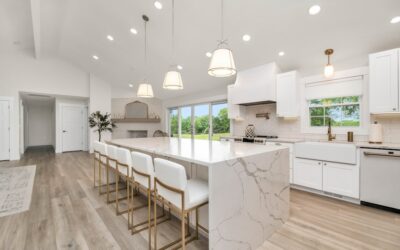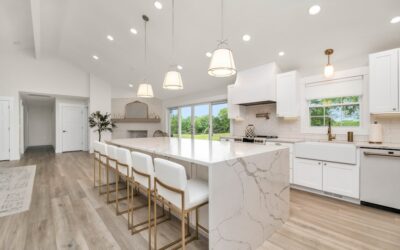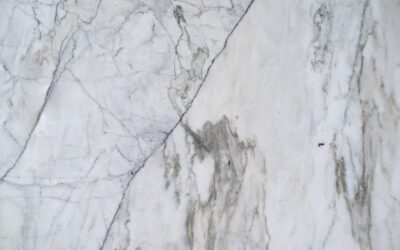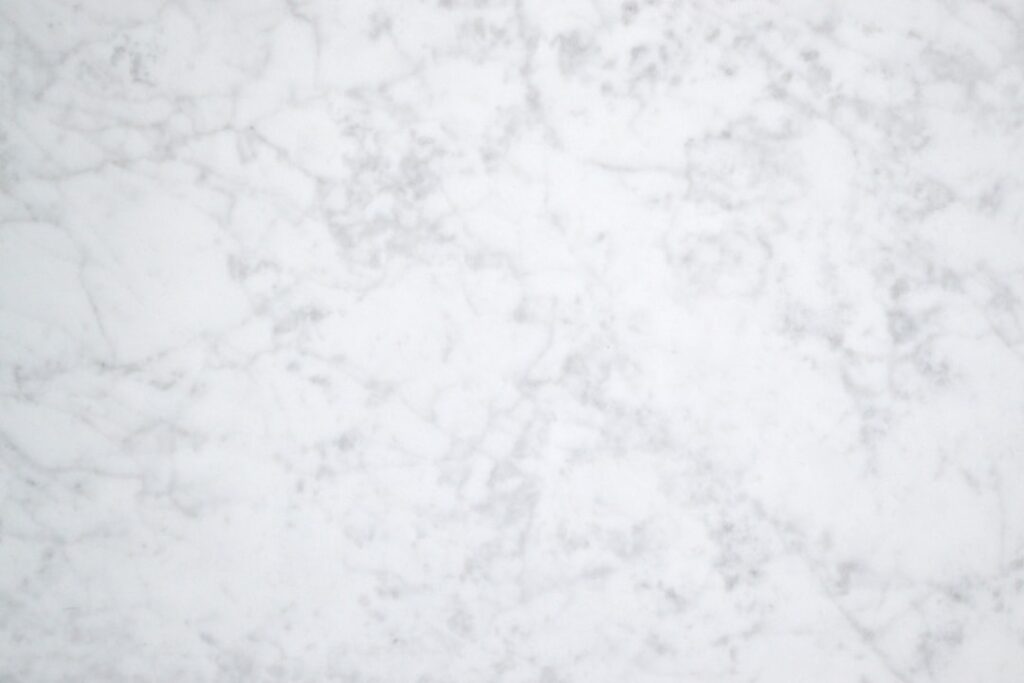
Cool gray veining has dominated kitchens for years, but a warmer trend is taking hold. White quartz with brown veining gives you the bright, clean base everyone loves while threading in earthy taupe, caramel, and chocolate tones that make a space feel warm rather than clinical. It is the engineered-stone answer for homeowners who want their counters to work with wood cabinets, warm-toned floors, and gold or bronze fixtures instead of fighting them.
Part of our Countertops guide — explore the full guide →
This guide breaks down exactly what this look is, the most popular colorways, what you should budget, and how to keep a light counter looking crisp for the long haul.
Why Choose White Quartz with Brown Veining?
The appeal comes down to warmth and versatility. A pure white counter can feel stark, while gray veining leans modern and cool. Brown veining bridges the gap. It keeps the airy, spacious feel of a white surface but adds movement in tones that echo natural materials like oak, walnut, travertine, and leather. That makes it one of the easiest countertop looks to coordinate across a whole home.
Because it is engineered quartz, roughly 90 to 94 percent crushed quartz bound in resin, you also get performance that natural marble and travertine cannot match. The surface is nonporous, never needs sealing, and resists the stains and etching that plague porous natural stones. You get the warm, organic aesthetic with none of the babysitting.
Popular Colorways and Vein Styles
Brown veining is not one single look. Manufacturers produce a wide spectrum, and the differences matter for how the counter reads in your room:
- Fine, wispy brown veins — subtle, scattered lines over a white base for a soft, understated effect that suits quiet, minimalist kitchens.
- Bold taupe and caramel veining — thicker, marble-look veins with clear movement, good for making an island a focal point.
- Warm gray-brown blends — “greige” veining that mixes gray and brown, flexible enough to work with both cool and warm palettes.
- Travertine-inspired patterns — soft, cloudy brown tones that mimic natural travertine while staying nonporous and low maintenance.
Vein color shifts noticeably under different lighting, so always evaluate a full slab under your own kitchen’s lighting conditions, not just a two-inch sample in a showroom. Warm LED bulbs, in particular, deepen brown tones.
What Colors Pair Best
The brown veining is your cue for the rest of the palette. It flatters warm and natural finishes especially well:
- White oak or walnut cabinetry — a natural, cohesive pairing where wood grain and vein tone reinforce each other.
- Cream, greige, or warm white cabinets — a soft, layered neutral scheme that feels timeless.
- Brass, bronze, and matte gold hardware — warm metals that echo the caramel tones in the veining.
- Terracotta, wood, or warm porcelain floors — grounding the room in the same earthy family.
Cool-toned kitchens with stark white cabinets and chrome fixtures can still work, but choose a greige or gray-brown veining rather than a strong caramel so the counter does not clash with the cooler surroundings.
Cost of White Quartz with Brown Veining
Pricing follows the general engineered-quartz market of $50 to $120 per square foot installed. Simple, subtle brown-veined patterns often sit in the lower to middle part of that range, while dramatic, designer marble-look colorways climb toward the top. For a typical kitchen of 40 to 55 square feet, plan on a total installed cost of roughly $2,500 to $5,500 depending on your region, edge profile, and cutouts for sinks and cooktops.
Because it is quartz, the long-term cost of ownership stays low: no annual sealing, no professional refinishing to remove etch marks, and no special cleaners. Collect at least three fabricator quotes, since labor rates and slab markups vary widely, and ask each shop to show you the exact slabs they have in stock so you can compare vein patterns and pricing side by side.
How It Compares to Natural Stone
Natural stones like travertine, brown-veined marble, and some granites offer genuine, quarried character, but they come with real trade-offs. Travertine and marble are porous and acid-sensitive, so they stain and etch and need regular sealing. Even quarried slabs vary so much that matching pieces across a big kitchen can be difficult and costly.
White quartz with brown veining removes those concerns. The pattern is consistent, the surface is nonporous, and there is no sealing schedule to keep. You give up the one-of-a-kind uniqueness of natural stone, but for most kitchens the predictability and durability are more than a fair trade. If authentic, quarried stone is a must-have for you, natural travertine or marble remains an option, provided you accept the upkeep.
Durability and Everyday Use
This material handles a busy kitchen with ease. The nonporous surface resists staining from coffee, tea, wine, tomato sauce, and cooking oils, and it never needs sealing to stay protected. At about 7 on the Mohs scale, quartz resists scratches from normal use, though a cutting board still protects both your knives and the finish.
Heat is the one caution. The resin binders can scorch or discolor above roughly 300°F, so always set hot pans on a trivet rather than directly on the counter. One practical upside of brown veining specifically: warm-toned surfaces tend to hide crumbs, coffee rings, and everyday smudges better than stark white or cool gray, so the counter looks clean with less constant wiping.
Cleaning and Maintenance
Care is minimal. Wipe the surface daily with warm water and a drop of mild dish soap or a pH-neutral cleaner, then buff dry with a soft cloth to avoid streaks. Steer clear of abrasive pads, powdered cleansers, bleach, and harsh degreasers, which can dull the polished finish over time.
For dried spills, lay a warm damp cloth over the spot to loosen it, then lift residue with a plastic scraper. Even on a light-colored surface, this simple routine keeps white quartz with brown veining looking bright, because the nonporous surface gives stains nowhere to soak in. There is no sealing step to remember, ever.
Common Mistakes to Avoid
A few missteps trip up homeowners with light, veined quartz. The most common is choosing a slab from a small sample. Brown veining varies dramatically across a full slab, and a two-inch chip cannot show you how the pattern will land on your island. Always approve the actual slab and, when possible, watch the fabricator mark the cut lines so a heavy vein does not end up awkwardly placed at a sink cutout or seam.
Another mistake is ignoring the backsplash and flooring undertones. Pair a warm caramel-veined counter with a cool blue-gray floor and the room can feel disjointed. Bring samples of your flooring, cabinets, and paint together before committing. Finally, do not assume quartz is indestructible; skipping trivets and setting hot pans directly on the surface is the fastest way to damage an otherwise bulletproof counter.
Making the Right Choice
White quartz with brown veining is the smart pick when you want a light, open kitchen that still feels warm and grounded. It suits homeowners building around wood cabinetry and warm metals, anyone who found gray veining too cold, and busy households that need a surface to look good with minimal upkeep. The only reasons to pass are a firm commitment to natural stone or a design built entirely around cool grays and chrome, where a caramel vein might feel out of place.
For most kitchens chasing warmth without sacrificing brightness, this colorway delivers exactly that balance. Review full slabs under your own lighting, plan vein placement with your fabricator, and hire an experienced installer. Get those steps right, and white quartz with brown veining will give you an inviting, durable, and effortlessly coordinated centerpiece for years to come.