After fabricating and installing countertops for the better part of two decades, I can tell you that white quartz with brown veins has quietly become one of the most requested slabs in my shop. Homeowners want the drama of natural marble without babying a porous stone that stains if you look at it wrong. A warm-veined engineered quartz splits the difference beautifully. You get a bright white or off-white background threaded with brown, taupe, caramel, or gold movement, and you get a surface that shrugs off red wine, lemon juice, and a teenager who forgot to use a cutting board.
Part of our Countertops guide — explore the full guide →
Why Homeowners Choose Warm-Veined Quartz
Cool gray-veined slabs dominated kitchens for about a decade, and honestly a lot of people are tired of them. Brown and gold veining reads warmer and more inviting, and it plays far better with wood tones, brass hardware, and the earthy paint colors that have taken over interior design. If your cabinets lean cream, honey oak, walnut, or a warm greige, a cool-gray vein fights them. A brown vein ties the whole room together instead.
The other reason is versatility. A white slab with soft caramel movement works in a farmhouse kitchen, a transitional space, and a genuinely modern one. It is not a trend that screams a specific year the way high-contrast black-and-white did. Ten years from now it will still look intentional, which matters when you are spending several thousand dollars on a surface you plan to keep.
How It Differs From Real Marble
People constantly ask me why they should not just buy Calacatta marble if they love the look. The honest answer is the maintenance. Marble is calcium carbonate, which means acids etch it. A splash of orange juice or a puddle from a wine glass leaves a dull spot that no amount of wiping fixes. Marble is also porous, so it absorbs oils and stains unless you seal it two or three times a year.
Engineered quartz is roughly 90 to 93 percent ground natural quartz bound with polymer resins and pigments. That resin makes it nonporous, so it never needs sealing and it does not etch from everyday acids. The brown veins in a quartz slab are printed and pigmented during manufacturing rather than formed by geology, which means the pattern is consistent and predictable. You can see the exact slab you are buying and know the finished counter will match it. With marble, every slab is a gamble.
Popular Patterns and Brands
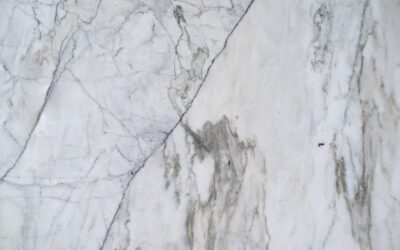
The most sought-after look is a Calacatta-style pattern: a bright white field with bold, sweeping veins in warm brown or gold rather than cool gray. Cambria offers this in patterns like Brittanicca Warm and Skara Brae, which layer taupe and amber movement over a creamy base. Caesarstone’s Calacatta Nuvo and Empira Cream lean warm, and their slabs run large enough to minimize seams on a big island.
MSI’s Q Premium Natural Quartz line is the value play. Patterns such as Calacatta Miraggio Gold and Calacatta Verona deliver convincing brown-gold veining at a lower price than the premium brands, which is why I spec them constantly for flips and rental upgrades. Silestone’s Eternal Calacatta Gold rounds out the field with a warmer, more golden vein. When you shop, bring a cabinet door sample and a flooring chip to the slab yard, because the same pattern reads differently under warm versus cool lighting.
What White Quartz with Brown Veins Costs
Installed pricing for white quartz with brown veins generally lands between $50 and $120 per square foot, and that range is wide for real reasons. Entry-level lines like MSI Q sit around $50 to $70 installed. Mid-tier Caesarstone and Silestone run $70 to $95. Premium Cambria and heavily veined designer patterns push $95 to $120 or more. Those numbers include the slab, fabrication, and standard installation with an eased or straight edge.
Budget extra for the details. A typical kitchen uses 40 to 55 square feet of material. Upgraded edges like a mitered waterfall or an ogee add $10 to $30 per linear foot. A cutout for an undermount sink runs $150 to $300, and a cooktop cutout is similar. If your old counters need demolition and haul-away, add a few hundred dollars. All in, a mid-size kitchen usually falls between $3,500 and $6,500.
Pairing With Cabinets and Floors
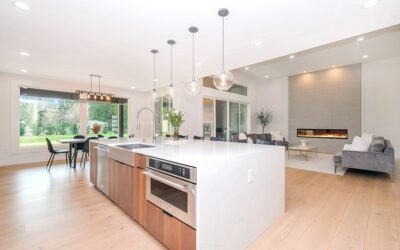
This is where warm-veined quartz earns its keep. Against white or cream shaker cabinets, a brown-veined slab adds just enough contrast to keep the kitchen from looking flat. With natural or medium wood cabinets, the vein picks up the grain tones and makes the whole palette feel curated. I have paired these slabs with everything from matte black hardware to unlacquered brass, and the neutral warm background handles both.
For flooring, warm-veined quartz sits comfortably over honey-toned hardwood, wide-plank white oak, and warm-gray luxury vinyl. Where people get into trouble is mixing temperatures. If your floor is a cool ashy gray and your backsplash is bright white, a warm gold vein can look orphaned. Pull one accent, a bar stool, a pendant, or a paint color, that echoes the brown in the counter, and the room reads deliberate instead of accidental.
Warm Tones Versus Cool Tones
Deciding between warm and cool veining comes down to the fixed elements you already own. Look at your flooring, cabinets, and wall color. If those elements skew beige, cream, taupe, or natural wood, commit to a warm brown or gold vein and do not second-guess it. If your space is genuinely cool, with gray floors and crisp white cabinets, a warm vein can still work as an intentional pop of contrast, but you will want to repeat that warmth elsewhere.
North-facing kitchens with cooler natural light especially benefit from brown veining, because the warmth counteracts the flat bluish daylight. In a bright south-facing room, warm veins can glow almost golden in the afternoon, which most people love. Whenever possible, tape a large sample to the counter and live with it for a couple of days before you commit.
Maintenance and Everyday Care
Care is the easy part, which is the whole point of choosing quartz. Wipe it down with warm water and a little dish soap or a pH-neutral cleaner. Skip bleach, oven cleaner, and abrasive scrubbing pads, because harsh chemicals can dull the resin over time. There is no sealing, ever. A damp microfiber cloth handles daily cleanup, and a plastic scraper lifts dried spills without scratching.
The one genuine weakness is heat. Quartz resin can scorch or discolor if you set a screaming-hot pan directly on it, so keep a trivet handy near the stove. Quartz is also extremely hard but not indestructible; a heavy cast-iron skillet dropped on an unsupported edge can chip it. Support your overhangs properly and you will likely never see damage. Treat it reasonably and a white quartz counter with brown veins will look showroom-fresh for 15 or 20 years.
Pros and Cons at a Glance
On the plus side, white quartz with brown veins is nonporous, stain-resistant, never needs sealing, and delivers a marble look that stays consistent from the slab you approve to the counter you get. It hides crumbs and light stains better than a stark white, and the warm palette ages gracefully with changing trends. The downsides are real but manageable: it is heat-sensitive, the premium patterns cost as much as natural stone, and hardcore purists will always know it is not real marble.
For the overwhelming majority of homeowners I work with, the tradeoffs land firmly in favor of quartz. You get the coveted warm-veined marble aesthetic without the anxiety of etching, staining, and resealing. If you cook daily, have kids, or simply want a countertop you can forget about, this is the surface I recommend more than any other in its category.