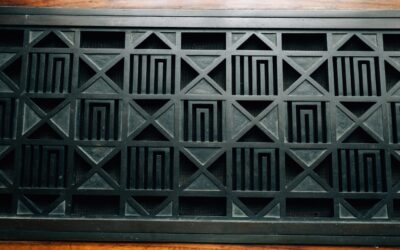
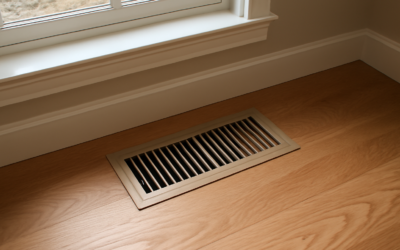
The little metal grate you step over every day does more than you think, and the wrong one can choke your airflow, rust in a season, or clash with an otherwise beautiful room. Choosing register covers floor vents that fit correctly and match your decor is a five-minute upgrade that most homeowners overlook until a cover cracks or a return grille turns grimy. This guide walks through materials, sizing, dampers, and the mistakes that lead to a return trip to the hardware store, so you can order the right vent the first time.
What a Floor Register Actually Does
A floor register is the covered opening where conditioned air enters a room from the ductwork below. Most include adjustable louvers or a damper so you can throttle airflow room by room. That distinguishes them from a plain return-air grille, which simply covers the opening that pulls stale air back to the furnace and has no damper. Confusing the two is the single most common buying error, because a return grille installed over a supply duct wastes your ability to balance heat between rooms.
Registers sit flush in the floor and take foot traffic, dropped toys, spilled coffee, and vacuum wheels. That daily abuse is exactly why material choice matters more here than for a wall or ceiling vent. A flimsy cover that flexes underfoot will crack, and a cheap finish will scuff within months in a busy hallway.
Materials: Pros and Cons
The material you pick determines durability, appearance, and price. Each option has a clear best-use case, so match it to the room and the traffic.
- Steel and cast iron: the toughest choice, easily supporting adult weight in walkways. Cast iron suits period homes; powder-coated steel resists dents. Both can rust in damp bathrooms if the finish chips.
- Aluminum: lightweight, rust-proof, and ideal for kitchens and baths where moisture would corrode steel. It dents more easily than steel under heavy loads.
- Brass and bronze: decorative and durable, a favorite for traditional interiors, but the priciest option and prone to tarnish without an applied lacquer.
- Wood: flush-mount oak, maple, or walkable hardwood registers that blend into a wood floor beautifully. They can warp with moisture and cost more than metal.
- ABS plastic: the budget pick, inexpensive and rust-proof, but it can crack under a heavy footstep and looks less refined up close.
How to Size Register Covers for Your Floor
Sizing trips up nearly everyone because vent dimensions are quoted by the duct opening, not the overall faceplate. When a register is labeled 4 x 10, that means it fits a duct hole measuring roughly 4 by 10 inches; the visible frame that rests on the floor is about an inch and a half larger on every side. Measure the actual cutout in your floor, not the old cover, since the previous owner may have installed the wrong size.
The most common residential sizes are 4 x 10, 4 x 12, 6 x 10, 6 x 12, and 2 x 12, but plenty of homes use oddball dimensions. If you cannot find a stock match, universal covers with an adjustable frame or a made-to-order wood register solve the problem. Take a tape measure to the hole, jot down the length and width of the opening itself, and buy to that number.
Dampers, Airflow, and Comfort
A register with a working damper lets you tune each room, closing vents in unused spaces and opening them where you want more heat or cooling. That said, closing too many registers at once raises static pressure in the system and can strain the blower, so shut no more than a couple at a time. If a room always runs cold, first confirm the damper is fully open and the louvers are not clogged with dust and pet hair before blaming the furnace.
Airflow also depends on keeping the cover clear. Never place a heavy rug, a sofa, or storage bins directly over a supply register; blocking it starves the room and forces air elsewhere. In high-traffic hallways, choose a low-profile design with sturdy louvers that resist bending when someone steps squarely on the vent.
Cleaning and Maintenance
Floor registers are dirt magnets because gravity drops crumbs, dust, and hair straight through the grate. Pull the cover every few months, vacuum the visible section of duct, and wash the grille with warm soapy water. Metal covers can go in a sink; wood covers should be wiped, not soaked, to avoid warping. A quick wipe keeps the louvers moving freely and stops that faint dusty smell when the heat first kicks on in fall.
If a steel cover starts to rust at a chipped edge, sand the spot, prime it, and repaint with an appliance-grade enamel rather than replacing the whole unit. For registers in bathrooms and entryways where water is a constant, switching to aluminum or a sealed finish stops the rust cycle for good.
Style and Finish Considerations
Because floor registers sit in plain sight, they are an easy way to reinforce a room’s look. Flush-mount wood registers disappear into a hardwood floor and are worth the premium in a formal living room or dining room. Oil-rubbed bronze and matte black metal complement modern and farmhouse interiors, while polished brass leans traditional. For a tiled bathroom, a simple brushed-nickel aluminum grate resists moisture and coordinates with common faucet finishes.
You do not have to match every vent in the house, but keeping finishes consistent within a single room reads as intentional. If your existing registers are a mismatched jumble of white plastic and dented steel, swapping them all to one finish is a low-cost refresh that makes the whole floor look cared for.
Heat Register Covers for Floors, Walls and Ceilings
Heat register covers come in more forms than the grate that drops into a floor opening. The same house can have floor, wall and ceiling supply vents, and each location calls for a different kind of cover, plus add-ons such as magnetic covers and deflectors that change how air reaches the room. Picking the right one starts with knowing where the vent sits and what you want the air to do.
Floor, Wall and Ceiling Covers Compared
Floor covers have to carry weight, so they use thicker metal, cast frames or solid hardwood and sit flush with the flooring. Wall registers are lighter stamped steel or plastic with a flange that screws to the drywall, and their louvers are angled to throw air across the room rather than straight up. Ceiling registers are common in homes where the ductwork runs through the attic; they often use curved or four way louvers to spread cooled air in summer and push warm air down in winter. When replacing a wall or ceiling cover, match the screw hole spacing and the duct opening, and keep the same louver pattern unless you have a reason to change the airflow direction.
Magnetic Covers and When They Make Sense
Magnetic heat register covers are thin flexible sheets that stick to steel registers. Homeowners use them to stop drafts from a vent in a room that is not used, to seal openings during painting or renovation dust, or to quiet a whistling ceiling vent. They work only on steel faceplates, not aluminum, wood or plastic. Treat them as a short term or seasonal tool. Covering a vent with a solid sheet is the same as closing its damper completely, and doing that on several supply vents at once raises pressure in the ductwork, reduces efficiency and can strain the blower. If a room stays too warm or too cold, partial adjustment at the damper is better than sealing the vent shut.
Deflectors, Extenders and Decorative Covers
Clear plastic deflectors sit over a register and redirect air away from furniture, curtains or a bed so it reaches the open part of the room. Extenders lift airflow out from under a sofa or cabinet toe kick. Decorative covers, such as perforated metal panels or wood grilles, hide plain registers for a cleaner look. With any of these, check that the open area of the cover is at least as large as the opening it replaces. A pretty grille with tiny holes chokes airflow and can make a room noticeably uncomfortable.
Safety and Airflow Rules to Follow
Never fully block a supply vent with a solid cover, rug, furniture or storage bins, and keep returns open at all times since the system needs that air to run properly. Leave a few inches of clearance between registers and drapes or bedding, and keep paper, toys and fabric off floor vents that blow hot air. If you have baseboard or electric wall heaters rather than forced air, only use covers designed and rated for that heater type, because covering an electric heater with the wrong product is a fire risk. Expect plain replacement covers to cost a few dollars to around twenty, while hardwood, cast metal and designer grilles range from modest to premium.
The Bottom Line
The right register covers floor vents that survive daily foot traffic, move air the way you want, and suit the room they sit in. Measure the duct opening rather than the old faceplate, pick steel or aluminum for busy or damp areas, and reserve wood and brass for showcase rooms where looks lead. Keep the louvers clean, avoid blocking supply vents with furniture, and confirm you are buying a register with a damper, not a plain return grille. Get those details right and a two-dollar-to-forty-dollar part will quietly do its job and look good doing it for years.
Prefer to explore on your own?
See how new flooring looks in your actual room in seconds — free, no signup.
Try the free Floor Studio →