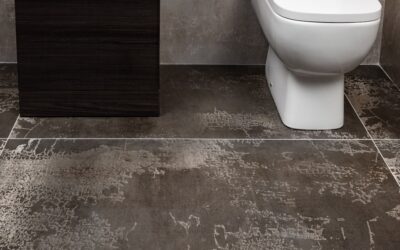
Walk into a modern garage, a commercial kitchen, or a showroom with a seamless, glossy, impossibly hard floor and you are almost certainly looking at a resin coating. A resin epoxy floor is a two-part liquid system — resin and hardener — that chemically cures into a solid plastic surface bonded directly to concrete. It is prized for being tough, waterproof, chemical-resistant, and easy to clean, which is why it has moved from factories into home garages, basements, and even living spaces. This guide covers the main types, the honest pros and cons, real-world costs, and how to decide between DIY and a professional install.
Part of our Epoxy, Concrete & Garage Floors guide — explore the full guide →
How a Resin Epoxy Floor Works
Epoxy is not paint. Paint dries as its solvent evaporates, leaving a thin film sitting on top of the concrete. Epoxy cures through a chemical reaction: when you mix the resin (Part A) with the hardener (Part B), the two components cross-link into a rigid thermoset plastic that grips the pores of the concrete and becomes part of the slab. That is why a properly installed epoxy floor can be several times thicker and dramatically more durable than a coat of floor paint.
The strength of the bond depends almost entirely on surface prep. The concrete must be clean, free of oil and old coatings, and — most importantly — profiled by grinding or acid etching so the epoxy has microscopic texture to key into. Skip that step and even the best resin will peel.
Types of Resin Flooring
Not all resin floors are the same chemistry. Knowing the differences helps you match the product to the room.
Solvent-Based Epoxy
Thin and easy to apply, solvent-based epoxy penetrates concrete well but gives off strong fumes and produces a thinner film. It is less common in homes now because of the odor and ventilation demands.
Water-Based Epoxy
The most beginner-friendly option and what most DIY garage kits contain. It has low odor, cleans up with water before curing, and bonds well to properly prepped concrete. The trade-off is a thinner build and somewhat lower durability than the heavier systems.
100% Solids Epoxy
This is the professional-grade product. With no solvent to evaporate, nearly the entire mixed volume becomes the finished coating, so it lays down thick, hard, and extremely durable. It cures fast and unforgivingly, which is why it is usually left to experienced installers.
Polyaspartic and Polyurea Topcoats
Often paired with epoxy, these fast-curing coatings resist UV yellowing and can be walked on within hours. Many premium garage systems use an epoxy base coat with a polyaspartic topcoat for the best of both worlds — a strong bond underneath and a tough, sunlight-stable surface on top.
The Pros
- Durability: a cured epoxy floor shrugs off dropped tools, foot traffic, and vehicle tires for years.
- Chemical resistance: oil, gasoline, brake fluid, and most household chemicals wipe up without staining or etching.
- Waterproof and seamless: with no grout lines or seams, spills cannot seep into the slab and bacteria have nowhere to hide.
- Easy cleaning: a dust mop and occasional damp mop keep it looking new; dirt does not embed the way it does in bare concrete.
- Design flexibility: solid colors, decorative flakes, metallic effects, and quartz broadcasts let you customize the look.
- Brightens a space: a light-colored glossy floor reflects overhead light, making garages and basements noticeably brighter.
The Cons
- Prep is demanding: the concrete must be ground or etched, cracks patched, and moisture tested. Poor prep is the number-one cause of failure.
- Slippery when wet: a smooth gloss coat gets slick with water, so an anti-slip additive is a must in wet areas.
- UV sensitivity: standard epoxy can amber or yellow in direct sunlight unless topped with a UV-stable coat.
- Cure time and downtime: the floor is out of service for several days while it cures, longer before you park a car on it.
- Not forgiving of moisture: slabs with high moisture vapor transmission can push the coating off; a moisture test is essential.
- Repairs show: patching a chip or gouge later rarely blends perfectly into the surrounding surface.
Cost per Square Foot
Pricing varies widely with the system and who does the work. As a general guide:
- DIY water-based kit: roughly $2 to $5 per square foot in materials for a basic single-color garage floor with flakes.
- Mid-grade professional epoxy: about $5 to $9 per square foot installed.
- High-end 100% solids or metallic systems: $9 to $15 or more per square foot installed, reflecting thicker builds, decorative effects, and premium topcoats.
A typical two-car garage of around 400 to 500 square feet therefore runs a few hundred dollars for a DIY kit or roughly $2,500 to $6,000 for a professional decorative system. The single biggest cost driver on a pro job is prep — grinding, crack repair, and moisture mitigation — not the resin itself.
Curing Time and What to Expect
Cure times depend on the product and temperature. As a rough timeline for a common epoxy system at 70°F:
- Foot traffic: after about 12 to 24 hours.
- Light use and furniture: 2 to 3 days.
- Vehicle traffic: wait a full 5 to 7 days so tires do not lift or imprint the coating.
Cold slabs slow everything down and can prevent a proper cure below the product’s minimum temperature, often around 50°F to 55°F. Never coat an unheated garage in winter unless the product is rated for it. Polyaspartic topcoats cure far faster — sometimes ready for traffic the next day — which is why one-day professional installs rely on them.
DIY or Hire a Pro?
A single-color water-based garage kit with decorative flakes is a very achievable weekend DIY project if you are willing to do the prep properly. The work is mostly cleaning, etching or grinding, and rolling on the coating within the material’s working time. Rent a floor grinder rather than relying on acid etch alone for the best bond.
Lean toward a professional for large areas, metallic or high-gloss decorative finishes, 100% solids systems, or any slab with cracking or moisture concerns. Pros bring diamond grinders, moisture meters, and the experience to spread fast-setting resin evenly before it kicks. Given that a failed DIY coat has to be ground off before you can start over, paying for a warrantied install often makes sense on a floor you want to last a decade or more.
Keeping a Resin Floor Looking New
Maintenance is genuinely easy. Sweep or dust mop regularly to keep grit from scratching the gloss, wipe spills promptly, and damp mop with a mild pH-neutral cleaner. Avoid harsh solvents and abrasive pads that can dull the surface. Place mats under motorcycle kickstands and use furniture pads to prevent point-load gouges. Refresh the topcoat every several years in high-traffic areas and a well-installed resin epoxy floor will stay glossy and protective for a very long time.
Where Resin Floors Work Best
Epoxy started in industrial settings and its ideal homes still lean toward hard-working spaces. Garages are the number-one residential application because the floor shrugs off tires, oil drips, and dropped tools. Basements benefit from the seamless, moisture-resistant surface — provided the slab passes a moisture test — and the bright, reflective finish makes a dim basement feel more livable. Workshops, laundry rooms, mudrooms, and home gyms all suit epoxy for the same reasons: easy cleanup and toughness.
Decorative metallic and flake systems have pushed epoxy into living spaces, retail floors, and even kitchens, where the seamless surface and custom color effects create a genuine design statement. The main caution for interior living areas is comfort — epoxy is hard and cold underfoot, so it favors rooms where you stand and work rather than lounge.
Frequently Asked Questions
How long does a resin epoxy floor last? A properly prepped and installed floor commonly lasts 10 to 20 years in a residential garage, longer with a fresh topcoat every few years. Failures almost always come from poor prep, not the resin wearing out.
Can epoxy go over an existing coating? Only if the old coating is fully sound and properly abraded, and even then it is risky. The reliable approach is to grind the old material off and start on bare, profiled concrete.
Will it crack if my concrete cracks? Epoxy is rigid, so a moving structural crack in the slab can telegraph through the coating. Minor cracks are filled during prep, but active structural movement is a job for slab repair first.