Picking the wrong saw for a project turns a 20-minute cut into a frustrating hour of splintered material and crooked edges. With dozens of saw types available at every hardware store, knowing which one to grab for each job is a fundamental skill every DIYer and homeowner should have. This guide breaks down the most useful saw types by function, so you can build a tool collection that actually matches the work you do.
Hand Saws
Before reaching for anything with a cord or battery, it is worth understanding the hand saws that still earn a spot in every workshop.
- Crosscut saw — the traditional carpenter’s saw with a 20 to 26-inch blade. Teeth are beveled to slice across wood grain cleanly. Useful when you need a quick cut and do not want to haul out a power tool.
- Hack saw — a rigid metal frame holds a thin, fine-toothed blade designed to cut metal pipe, bolts, and thin stock. Replacement blades cost under $3 each and are rated by teeth per inch (TPI). Use 18 TPI for general metal, 24 TPI for thin tubing.
- Coping saw — a C-shaped frame with a narrow scrolling blade for cutting curves and coping interior trim joints. Essential for crown molding and baseboard installation.
- Japanese pull saw — cuts on the pull stroke rather than the push, producing thinner kerfs and cleaner cuts with less effort. The Gyokucho Razorsaw is a popular model, priced around $25.
Circular Saw
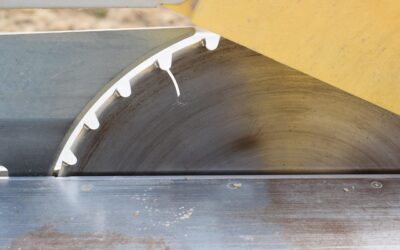
If you could own only one power saw, a circular saw would be the smartest choice. A standard 7-1/4-inch model cuts through 2x lumber, plywood, and even concrete with the right blade. Corded versions deliver consistent power for all-day cutting, while brushless cordless models from DeWalt, Milwaukee, and Makita now match corded performance for most residential tasks.
Expect to pay $60 to $130 for a quality corded circular saw or $150 to $250 for a cordless kit with battery and charger. Pair it with a speed square clamped to your workpiece for surprisingly accurate crosscuts without a miter saw.
Miter Saw
A miter saw excels at precise angled crosscuts, making it the go-to tool for trim work, picture frames, and deck building. A 10-inch sliding compound miter saw handles boards up to 12 inches wide and can cut compound angles for crown molding. The 12-inch version extends reach to 16-inch boards but costs more and weighs significantly more.
For most homeowners, a 10-inch single-bevel sliding miter saw in the $200 to $350 range covers 95% of cutting needs. The DeWalt DWS713 and Metabo HPT C10FCGS are both reliable options that hold accuracy well over years of use.
Jigsaw
When you need to cut curves, circles, or interior cutouts, a jigsaw is your best friend. The thin, reciprocating blade follows lines that no straight-cutting saw can handle. Use it for cutting sink holes in countertops, rounding corners on shelving, or trimming door jambs during flooring installation.
Blade selection matters enormously with jigsaws. T-shank blades with 10-12 TPI work for general wood cutting. Fine-tooth blades with 20+ TPI reduce splintering on laminate and veneer. Bosch and Milwaukee make orbital-action jigsaws in the $80 to $160 range that deliver smooth, controlled cuts.
Table Saw
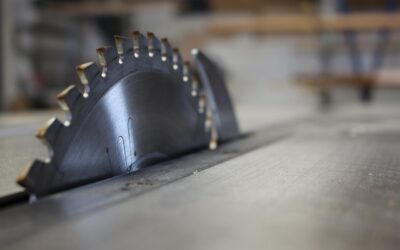
A table saw is the centerpiece of any serious workshop. It rips long boards to consistent widths, cuts sheet goods accurately, and with the right jig, handles dados, rabbets, and tapered cuts. Portable jobsite table saws weigh 45 to 65 pounds and cost $300 to $600. Full-size contractor and cabinet saws start around $800 and climb past $3,000.
Safety is paramount with table saws. They cause more workshop injuries than any other power tool. Always use a riving knife, never remove the blade guard for through-cuts, and keep your hands at least 6 inches from the blade. SawStop’s flesh-detection technology, available on models starting around $900, stops the blade in milliseconds on contact with skin.
Reciprocating Saw
Demolition work demands a reciprocating saw. This aggressive tool cuts through framing lumber, nails, PVC pipe, drywall, and even cast iron with the appropriate blade. It is not a precision tool. Think of it as the power tool equivalent of a wrecking bar.
A corded reciprocating saw runs $60 to $120. Cordless models pair well with existing battery platforms. Pruning blades also make this tool surprisingly useful for yard work, cutting branches up to 6 inches thick faster than most chainsaws for occasional use.
Oscillating Multi-Tool
Not technically a saw in the traditional sense, but the oscillating multi-tool has become essential for detail cutting and flush work. It vibrates a small blade at high speed, slicing through door trim, cutting nails in tight spaces, and removing grout. Flooring installers use it constantly for undercutting door jambs and casings.
Prices range from $30 for a basic corded unit to $180 for a premium cordless model. Blade quality varies wildly. Bi-metal and carbide-tipped blades last significantly longer than standard steel and justify their higher cost on anything beyond occasional use.
Matching the Saw to Your Project
Building a deck or framing a wall calls for a circular saw and miter saw combo. Trim work throughout the house demands a miter saw and coping saw. Kitchen and bathroom renovations benefit most from a jigsaw and oscillating tool. If you are ripping lumber or breaking down plywood regularly, a table saw pays for itself quickly in time saved and cut quality.
Start with a circular saw and a jigsaw. Those two tools cover the widest range of homeowner projects for under $300 total. Add a miter saw when trim work enters the picture, and consider a table saw only when you find yourself doing woodworking projects monthly or more.