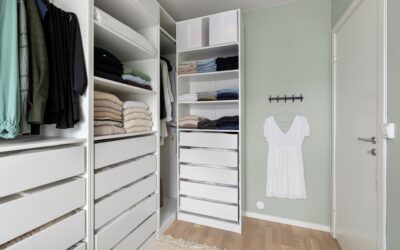
A cramped closet isn’t usually a space problem; it’s a layout problem. Most builder-grade reach-in closets waste up to 40 percent of their cubic footage with a single rod and a high shelf, leaving dead air below and unreachable space above. The best small bedroom closet organization ideas attack that wasted volume by thinking vertically, dividing zones by item type, and swapping bulky hardware for slim, purpose-built systems. With a weekend and a few hundred dollars, you can fit noticeably more into the same four-foot closet and actually find things in the morning.
Start by Emptying and Editing
Organization fails when you arrange clutter instead of removing it. Pull everything out, sort into keep, donate, and toss piles, and be ruthless. A useful benchmark: if you haven’t worn it in 18 months and it isn’t seasonal or sentimental, it goes. Clearing even a third of your wardrobe instantly makes the remaining space feel generous.
While the closet is empty, wipe it down, patch nail holes, and consider a fresh coat of semi-gloss paint. A light color reflects what little light the space gets and makes the closet feel larger.
Go Vertical With Double Hanging Rods
The fastest capacity upgrade is adding a second rod. Most shirts, blouses, and folded slacks need only about 40 inches of vertical hanging space, so a single rod at 66 inches wastes a huge stretch of wall below your shorter garments.
- Hang the upper rod around 80-82 inches from the floor.
- Mount the lower rod about 40 inches below it.
- Reserve one section with a single full-length rod for dresses and long coats.
A clip-on hanging double rod costs under $20 and installs in minutes, while a permanent second rod runs $15 in lumber and brackets. Either roughly doubles your hanging capacity.
Switch to Slim Velvet Hangers
Bulky plastic and wooden hangers are silent space thieves. Velvet hangers are about a quarter inch thick versus three-quarters of an inch for standard ones, so a 36-inch rod that held 25 garments can hold 40 or more. The flocked surface also keeps tops from sliding to the floor. A 50-pack runs $25 to $35 and is the single highest-return purchase on this list.
Add a Modular Drawer or Cubby System
That empty floor under your shortest hanging clothes is prime real estate. Slide in a three-drawer dresser unit or a stack of fabric-bin cubbies to corral folded jeans, sweaters, and undergarments. Stackable cube organizers from IKEA or Target start around $30 and let you customize the configuration to your closet width.
For drawers, use shallow dividers to separate socks, belts, and accessories so small items don’t migrate into one tangled pile.
Use the Door and Walls
The back of the closet door is an untapped vertical plane. An over-the-door organizer with clear pockets holds shoes, scarves, or even rolled t-shirts. Adhesive hooks along the side walls handle robes, bags, and belts. A slim hanging shelf tower, the kind with fabric shelves that suspend from the rod, adds five or six folded-item compartments without taking floor space.
Pegboard mounted to the inside wall turns into a flexible accessory station for jewelry, hats, and ties.
Maximize the Top Shelf
The high shelf usually becomes a junk graveyard. Reclaim it with matching labeled bins or sturdy storage boxes that hold off-season clothing, extra bedding, or shoes you rarely reach for. Clear bins let you see contents at a glance; labeled fabric boxes look tidier. If the shelf is deep, add a second shelf above it using brackets to capture that final stretch of headroom.
Smart Shoe Storage
Shoes scattered on the floor eat usable space and look chaotic. A few proven approaches keep them contained:
- Tiered shoe rack on the floor holds 9-12 pairs in the footprint of three.
- Over-the-door pockets store flats and sneakers off the ground entirely.
- Clear shoe boxes stack on the top shelf and protect dressier pairs.
Rotating your shoes seasonally, with the current season at eye level, keeps the most-used pairs within easy reach.
Light It Up
You can’t organize what you can’t see. Battery-powered LED puck lights or a motion-sensor strip cost $15 to $25 and stick on with adhesive, no electrician required. Good lighting makes a small closet feel bigger and stops you from grabbing mismatched clothes in the dark.
Zone Your Closet by Category
A closet stays organized when everything has a logical home. Group items by type and frequency of use rather than mixing them randomly. Hang work clothes together, casual clothes together, and dresses or suits in their own section. Keep everyday items at eye level and within easy reach, while off-season and rarely used pieces go up high or in bins. Arranging hung clothes by color within each category makes outfits faster to assemble and instantly shows you what you own, so you stop buying duplicates of things you already have.
Budget-Friendly DIY Upgrades
You don’t need an expensive custom closet system to gain real storage. Several cheap projects punch above their cost:
- Tension-rod second tier adds hanging space for under $15.
- Stick-on hooks and adhesive baskets use bare wall space without tools.
- Repurposed shoe organizers hold accessories, cleaning supplies, or rolled clothes.
- Tension-rod shoe rack at the closet floor keeps pairs off the ground.
- A simple wire shelf kit from a home center adds a second top shelf for around $30.
These small upgrades, combined, often double a builder-basic closet’s usable capacity for under $100 total.
Maintain the System
The best layout still drifts toward chaos without habits to hold it. Adopt a one-in, one-out rule so new purchases replace rather than pile onto old ones. Do a quick five-minute reset each week, and a deeper seasonal swap twice a year. These small bedroom closet organization ideas only pay off long term if the system is easy enough to keep up. Done right, you’ll open that closet door each morning to clear sightlines, room to breathe, and everything exactly where you expect it.