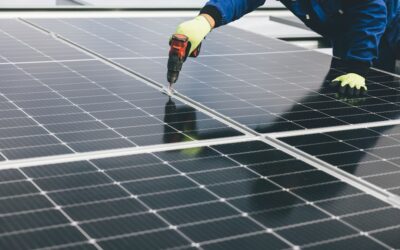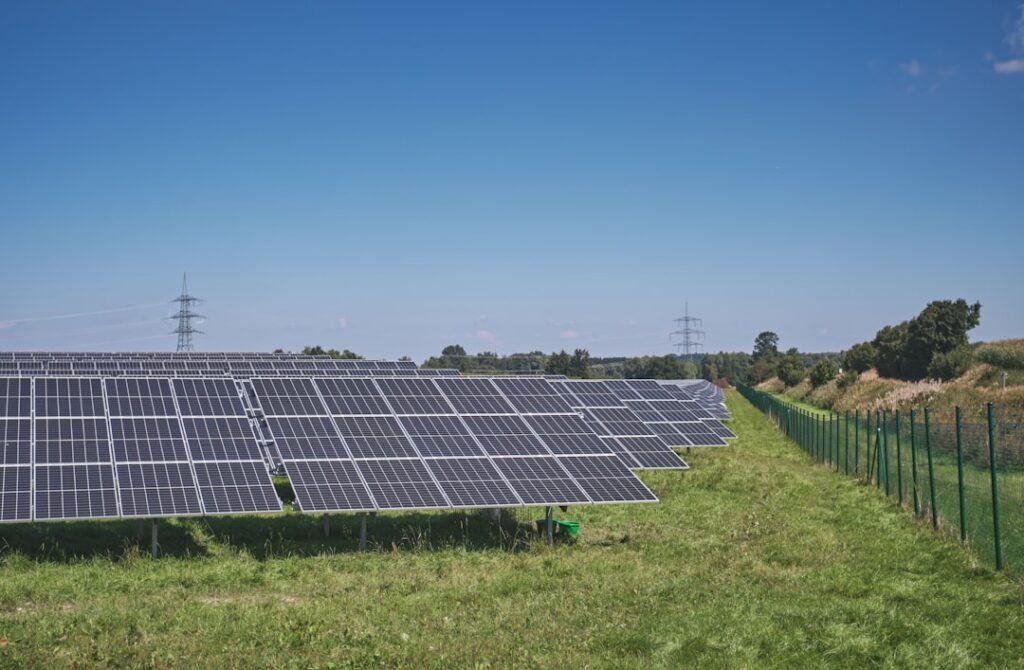
The reason a single strand of wire can hold a 1,200-pound steer in a remote pasture with no power line for miles is a small solar-charged box that fires a brief high-voltage pulse a couple of times every second. A solar panel electric fence pairs a photovoltaic panel, a rechargeable battery, and a fence energizer so the whole system runs off sunlight, making it the go-to solution for grazing land, garden protection, and any boundary far from an outlet. It is not a continuous shock like people imagine; it is a safe, pulsing deterrent that teaches animals to respect the line. Here is exactly how the system works and how to size one.
Part of our Decks & Outdoor guide — explore the full guide →
The Core Components
Every solar electric fence is built from the same handful of parts working together. Understanding each one makes sizing and troubleshooting straightforward.
- Solar panel: Charges the battery during daylight, sized in watts to keep up with the energizer’s draw.
- Battery: Usually a 12-volt deep-cycle or sealed battery that stores energy so the fence runs at night and through cloudy days.
- Energizer (charger): The brain that takes battery power and releases it as short, high-voltage pulses onto the fence wire. Rated in joules.
- Fence wire or tape: Steel wire, poly-wire, or poly-tape that carries the pulse around the perimeter.
- Insulators: Keep the charged wire from touching posts and shorting to ground.
- Grounding system: Ground rods driven into the earth that complete the circuit when an animal touches the wire.
Many small solar energizers integrate the panel, battery, and charger into one weatherproof unit that mounts on a post, while larger systems use a separate panel and battery for more capacity.
How the Shock Actually Works
The energizer does not send a steady current. Instead it releases a very short pulse of high-voltage electricity onto the fence wire roughly once per second, typically a pulse lasting only a few thousandths of a second. Between pulses the wire is momentarily dead. This pulsing is what makes the shock safe: it is uncomfortable and memorable but too brief to cause harm.
The circuit is not complete until an animal touches the wire while standing on the ground. When it does, the pulse travels from the wire, through the animal, into the soil, and back through the ground rods to the energizer, completing the loop. The animal feels a sharp jolt, jumps back, and quickly learns to stay away. That is why grounding is so critical; without a good return path through the earth, the animal barely feels anything.
Understanding Joules and Voltage
Two numbers describe an energizer’s power, and people often confuse them. Voltage is the pressure of the pulse, and a working fence typically reads 4,000 to 10,000 volts on a tester. Joules measure the actual energy delivered per pulse, and this is the number that determines how much fence the energizer can power and how it performs under load from weeds and long wire runs.
More joules means the fence can drive a longer perimeter and push through vegetation touching the wire without the voltage collapsing. A small garden fence might need only 0.1 to 0.5 joules, while miles of livestock fence call for several joules or more. When you size an energizer, match its joule rating and its stated mileage capacity to your fence length with margin to spare, because weeds and long runs eat into the rated capacity.
Sizing the Solar Components
The solar panel and battery have to keep up with the energizer’s appetite plus provide reserve for cloudy stretches. Undersizing the panel is the most common reason a solar fence goes dead after a few overcast days.
The battery should have enough amp-hour capacity to run the energizer through several days of poor sun, and the panel should generate enough daily watt-hours to fully recharge it on a normal day. As a practical approach, oversize both: choose a panel rated well above the energizer’s average draw and a deep-cycle battery with a comfortable reserve, so a week of clouds does not drop the fence. Manufacturers publish matched panel-battery-energizer packages that take the guesswork out for common fence lengths.
Grounding: The Most Common Failure Point
If your fence tests low or animals ignore it, the ground system is the first thing to check, because poor grounding causes more weak-fence complaints than any other issue. The pulse can only shock effectively if it has a strong path back to the energizer through the earth.
Drive galvanized ground rods at least 3 feet into the soil, and for a larger energizer use multiple rods spaced about 10 feet apart, wired together and back to the energizer’s ground terminal. In dry, sandy, or rocky soil that conducts poorly, add more ground rods, since the earth itself is part of the circuit. A fence with excellent voltage at the energizer but weak shock at the animal almost always has a grounding problem.
Installation Basics
Setting up a solar fence follows a logical order. Plan the perimeter, then work through the build so the electrical parts go in last.
- Set your posts and mount insulators so the charged wire never touches wood, metal, or the ground.
- Run the fence wire or poly-tape at the height your target animal needs, using multiple strands for cattle, tighter spacing for smaller animals.
- Drive the ground rods and connect them to the energizer’s ground terminal.
- Mount the solar energizer where the panel faces the sun with no shading, typically south-facing in the northern hemisphere.
- Connect the energizer’s fence terminal to the wire and switch it on.
- Test with a fence voltage tester at several points; a healthy line reads several thousand volts all the way around.
Keep the wire clear of tall weeds and grass, which drain voltage where they touch the line. A seasonal walk to clear vegetation and check connections keeps the fence hot.
Cost and Who Should Use One
A small all-in-one solar energizer for a garden or a few animals runs about $60 to $150, while larger systems with a separate panel, deep-cycle battery, and multi-joule energizer for extensive livestock fencing run several hundred dollars. The payoff is running a fence anywhere the sun reaches with no wiring, no electric bill, and no trenching to a power source.
A solar panel electric fence makes the most sense for pasture and livestock containment, protecting gardens and orchards from deer and predators, and rotational grazing where the fence moves often. Size the energizer’s joules to your fence length, oversize the panel and battery for cloudy days, and above all drive enough ground rods, and you will have a reliable, self-powered barrier that keeps working through every season on nothing but sunlight.
Wire Height and Spacing by Animal
A fence only works if the charged wire sits where the target animal will contact it, and that varies a lot by species. For cattle, one or two strands at roughly nose and shoulder height, around 30 and 45 inches, usually suffices because a large animal contacts the wire readily. Horses do well with wide poly-tape they can see, at similar heights, to avoid run-through injuries.
Smaller and cleverer animals need more strands closer together. Goats and sheep call for several closely spaced wires because they test fences and their wool insulates them, so the shock has to reach skin at the nose or legs. To keep predators like coyotes and raccoons out of a garden or coop, run low wires a few inches off the ground plus a strand at nose height, since predators often probe the bottom. Match the wire layout to what you are containing or excluding, and the same energizer serves very different jobs.
Maintenance and Troubleshooting
A solar fence is low-maintenance but not no-maintenance, and the habits that keep it hot are simple. Walk the line periodically with a fence voltage tester and confirm you read several thousand volts all the way around; a reading that drops off past a certain point pinpoints where a problem starts. Keep grass and weeds trimmed away from the wire, because vegetation touching the line is the number-one cause of lost voltage, quietly draining the pulse to ground.
Clean the solar panel face so dirt does not cut its output, and check the battery terminals for corrosion. If the whole fence tests weak, suspect grounding first and add rods, then look for a broken wire, a cracked insulator letting the pulse leak into a post, or a vegetation short. If the fence goes dead only after cloudy stretches, your panel or battery is undersized for the load. Address those few points and a solar electric fence will run reliably for years, keeping animals where they belong on nothing but sunlight and a well-grounded pulse.