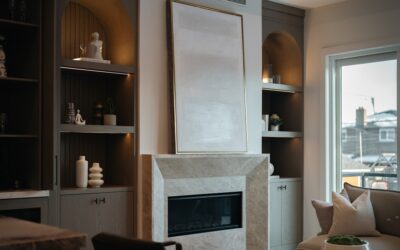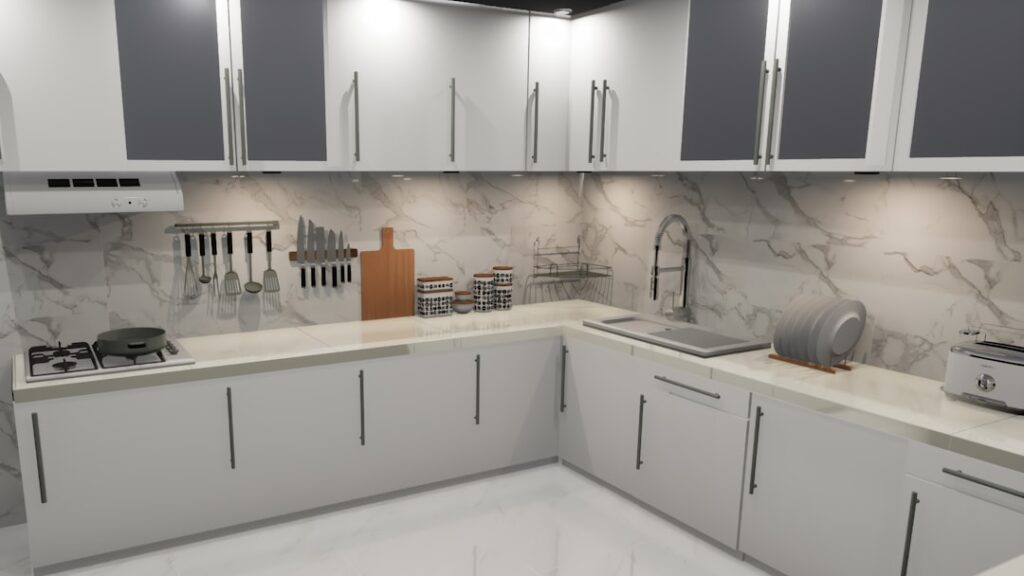
A full kitchen remodel can run $25,000 or more, but most kitchens do not need new cabinets to feel new. If you want to spruce up your kitchen on a realistic budget, the smart money goes into the surfaces and details you touch and see every day: paint, cabinet hardware, lighting, and the backsplash. Done together, these four moves can transform a dated, tired space for a few hundred to a couple thousand dollars instead of tens of thousands.
Start With Paint, the Highest-Impact Dollar
Nothing changes a kitchen faster or cheaper than paint. A gallon of quality interior paint covers roughly 350 to 400 square feet and costs $40 to $70, making fresh wall color the single best value in any refresh. Light, warm neutrals like soft white, greige, or pale sage make a kitchen feel bigger and cleaner, while a saturated accent wall adds personality without overwhelming the room.
Painting the cabinets themselves is the biggest visual upgrade short of replacing them. It is labor-intensive: you must degrease, sand, prime with a bonding primer, and apply two thin coats of a durable cabinet or alkyd enamel. Plan a long weekend for an average kitchen. The reward is a $200-in-materials project that mimics a $5,000 cabinet replacement. Use a foam roller and a quality brush, or rent a sprayer for the smoothest finish.
Swap the Cabinet Hardware
Knobs and pulls are the jewelry of a kitchen, and they are one of the easiest upgrades to do yourself. Old brass knobs from the 1990s instantly date a space; swapping them for matte black, brushed nickel, or warm brushed brass pulls modernizes everything. Most replacements cost $2 to $6 per piece, so even a kitchen with 30 doors and drawers usually comes in under $150.
Measure before you buy. If your drawers already use pulls, note the hole spacing (center to center), commonly 3 inches or 96 millimeters, so the new ones drop into existing holes. If you are switching from knobs to pulls, you will need to drill a second hole, and a simple cabinet hardware jig (about $15) keeps every hole perfectly aligned.
Upgrade the Lighting
Dim, yellowish lighting makes even a clean kitchen feel grim. Layered lighting fixes that. Start with the ceiling: replace an old flush-mount with a brighter LED fixture, or swap dated recessed bulbs for 2700K to 3000K LEDs that render food and finishes warmly. Then add task lighting where you actually work.
- Under-cabinet LED strips light the countertop and eliminate the shadows you cast when prepping. Plug-in or hardwired kits run $20 to $80.
- Pendant lights over an island or peninsula add style and focused light. Two or three pendants create a designed look for $100 to $300.
- A dimmer switch (about $20) lets you shift from bright prep light to soft dinner ambiance.
Brighter, warmer light alone can make countertops and backsplashes look newer than they are.
Refresh the Backsplash
The backsplash is a small area with an outsized visual role, which makes it perfect for a refresh. A classic white subway tile backsplash uses inexpensive tile (often under $5 per square foot) and suits nearly any style. For a true DIY weekend, peel-and-stick tile or panels skip mortar and grout entirely; quality versions hold up well in low-splash areas and cost $8 to $15 per square foot installed by you.
If you already have tile you dislike, regrouting or even painting the grout lines with a grout pen can sharpen the whole wall for under $20. Cleaning and re-caulking the seam where the counter meets the wall is a five-dollar fix that makes the existing backsplash look maintained rather than neglected.
Small Touches That Punch Above Their Price
Once the big four are done, a handful of finishing details tie the refresh together. A new faucet in a finish that matches your hardware ($80 to $250) modernizes the sink area and often improves function with a pull-down sprayer. Replacing a stained, builder-grade sink with a deep stainless or composite basin elevates the workhorse of the room.
Beyond fixtures, declutter the counters so your fresh surfaces can breathe, add a runner or washable rug for warmth, and bring in greenery or a bowl of fruit for color. Open shelving styled with a few nice dishes and a cookbook reads intentional and editorial. These no- or low-cost touches are what make a budget refresh photograph like a designer kitchen.
Don’t Forget the Walls Beyond Paint
Paint is the headline wall treatment, but a few extra moves add depth for little money. A simple peel-and-stick wallpaper on a single wall or inside an open shelving nook injects pattern without a permanent commitment, and quality versions peel off cleanly when you tire of them. Beadboard or shiplap paneling along a lower wall section, sold in lightweight sheets for $20 to $40 each, adds cottage or farmhouse character that reads custom.
Trim is the detail people feel without noticing. Adding or repainting baseboards, window casing, and a bit of crown molding sharpens the whole room and makes builder-grade walls look finished. A crisp semi-gloss white on trim against a soft wall color is a classic, high-end combination that costs only a quart of paint and a free afternoon.
Plan the Order to Save Time and Money
Sequence matters. Paint walls and cabinets first, because drips and overspray are inevitable and you do not want them landing on new hardware or a fresh backsplash. Install the backsplash next, then mount hardware, then hang lighting and set the faucet. Tackling it in this order means each finished element stays protected through the messier steps before it.
You do not have to do everything at once, either. Spread the work across a few weekends and budget cycles. Start with paint and hardware for an immediate lift, then add lighting and the backsplash when funds allow. Even one or two of these projects will noticeably spruce up your kitchen, and tackling all four delivers a near-remodel result for a fraction of the cost.