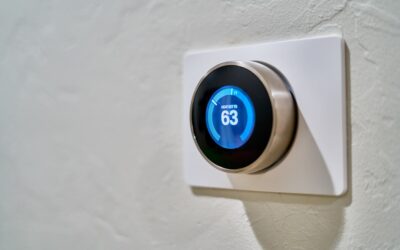
The tado smart thermostat is one of Europe’s best-selling connected heating controls, and it does a few things the American favorites don’t, notably open-window detection and weather-adaptive scheduling. That said, the tado smart thermostat was engineered around European boilers and heating systems, so anyone shopping from the US needs to read the compatibility fine print carefully before ordering. This guide covers what tado does well, where it shines on energy savings, and the real-world caveats for North American homes.
- Who Makes tado and What It’s Known For
- The Features That Set tado Apart
- The US Compatibility Caveat
- Boilers, Radiators, and Heat Pumps
- Smart-Home Integration
- The Auto-Assist Subscription
- Energy Savings and Pricing
- tado X vs V3+: Which Generation to Buy
- Setting Up tado for the First Time
- Frequently Asked Questions
- Quick Buyer’s Checklist for tado
Who Makes tado and What It’s Known For
tado is a German smart-home company that built its reputation on intelligent heating and cooling control. Its current lineup centers on the tado X range and the older but still supported tado V3+ generation. Where a basic thermostat just follows a schedule, tado layers in location awareness, weather data, and machine-learning adjustments to squeeze more efficiency out of whatever heating system you have.
In Europe it’s a category leader, integrated with combi boilers, hydronic radiators, and increasingly heat pumps. That heritage shapes both its strengths and its US limitations.
The Features That Set tado Apart
Three standout features explain the brand’s loyal following:
- Geofencing: tado uses your phone’s location to lower heating when the last person leaves and warm the home before you return, no manual “away” toggling.
- Weather adaptation: It pulls local forecast data and pre-adjusts heating based on outside temperature and solar gain, so a sunny afternoon doesn’t overheat the house.
- Open-window detection: Sensors notice the sudden temperature drop of an opened window and pause heating automatically, a genuinely clever way to stop wasting energy.
Combined, these turn a dumb boiler into a system that reacts to how the home is actually being used and what the weather is doing outside.
The US Compatibility Caveat
Here’s the part that matters most for American buyers. tado was designed around European heating conventions, and its US support is limited compared with domestic brands. Many US central systems use 24V low-voltage wiring with a C-wire, and while tado does offer configurations for various systems, compatibility with typical American forced-air furnaces and heat pumps is not guaranteed the way it is for a Nest or ecobee.
Before buying, verify three things: that tado officially supports sale and service in your country, that your heating and cooling system matches a tado wiring configuration, and that a C-wire is available at your thermostat location, since tado, like most smart thermostats, needs reliable power. If you’re in the US with a standard forced-air system, a domestically supported thermostat is often the smoother path. tado makes the most sense where its European-style controls match your setup.
Boilers, Radiators, and Heat Pumps
tado’s sweet spot is hydronic and boiler-based heating. It works elegantly with combi boilers, controlling both heating and hot water, and its smart radiator thermostats let you zone individual rooms without ripping out pipework, screw a smart valve onto each radiator and control them independently from the app.
The newer tado X range extends support toward heat pumps and modern low-temperature systems, reflecting Europe’s shift away from gas. For homes with radiators or a combi boiler, that per-room zoning is a real advantage that many all-in-one US thermostats can’t match.
Smart-Home Integration
On the connectivity front, tado is well-equipped. It supports Matter and Apple HomeKit, along with Amazon Alexa and Google Assistant, so voice control and cross-platform automations work out of the box. Matter support in particular future-proofs the device and lets it play nicely in a mixed smart-home setup.
The tado app handles scheduling, zoning, and energy reporting cleanly. Where it differs from some rivals is a subscription layer for its most advanced automation, covered next.
The Auto-Assist Subscription
Worth knowing before you buy: tado gates some of its headline features behind a paid Auto-Assist plan. Geofencing automation and open-window detection, the very features that draw people to the brand, require the subscription to run automatically rather than as manual notifications. Auto-Assist runs a few dollars a month or a modest annual fee.
It’s a reasonable cost given the energy savings, but factor it into the total. A competitor that bundles geofencing for free may work out cheaper over several years, so weigh the subscription against how much you’ll actually use the smart automations.
Energy Savings and Pricing
tado markets meaningful efficiency gains, and independent user reports back up savings in the neighborhood of 20 percent or more on heating bills when the smart features are fully used, weather adaptation, geofencing, and per-room zoning together. On a home with a high winter gas bill, that recovers the hardware cost within a season or two.
Pricing lands roughly between $100 and $250 depending on the kit and generation, with wired and wireless (RF receiver) versions available. The wireless option suits homes where running a wire to the boiler is impractical, while the wired version is cleaner where the wiring already exists. For the right home, especially a European-style boiler-and-radiator setup, a tado smart thermostat is a genuinely intelligent upgrade. For a typical US forced-air house, confirm compatibility and support first, because the smartest thermostat in the world is useless if it won’t talk to your furnace.
tado X vs V3+: Which Generation to Buy
Two generations still circulate, and they aren’t the same product. The older V3+ line is mature, widely supported, and pairs with tado’s Internet Bridge, a small hub that plugs into your router to connect the thermostats. The newer tado X range drops the separate bridge in favor of built-in connectivity on many components, adds native Matter support, and refines the hardware design.
If you’re starting fresh and want the most future-proof setup, tado X is the one to target for its Matter compatibility and cleaner installation. The V3+ generation still makes sense if you find it discounted or need a specific component that fits an existing V3+ system. Mixing generations gets complicated, so pick a lane and build the whole home around it.
Setting Up tado for the First Time
Initial setup follows a guided path in the tado app, which asks about your heating type, combi boiler, system boiler, heat pump, or electric, and generates a wiring diagram specific to your setup. That customized diagram is genuinely helpful, since it removes the guesswork of matching terminals. For wired installs, you’ll turn off power, connect the thermostat or receiver to the boiler per the diagram, and pair it to the bridge or network.
The wireless option is worth considering if running a cable to the boiler is impractical. A wireless receiver wires at the boiler while the room thermostat communicates over RF, so you can place the control wherever it reads room temperature best. If you’re at all unsure about boiler wiring, a heating engineer can complete the physical install in under an hour, after which all the smart configuration happens in the app.
Frequently Asked Questions
Does tado work in the United States? Support is limited and region-dependent. tado is built around European heating systems, so before ordering, confirm official sales and service in your country and that your HVAC matches a supported wiring configuration. US buyers with standard forced-air systems often find a domestic brand simpler.
Do I have to pay a subscription? The thermostat works without one, but the marquee automations — hands-free geofencing and automatic open-window detection — run automatically only with the Auto-Assist plan, which costs a few dollars a month or a small annual fee.
Can I control individual rooms? Yes. tado’s smart radiator thermostats screw onto each radiator valve and let you set independent temperatures and schedules per room from the app, a strong advantage in homes with hydronic radiators.
Quick Buyer’s Checklist for tado
Before you commit to a tado kit, run through a short list that saves most buyers from a return. First, confirm the brand officially sells and supports hardware in your country, since availability and app service vary by region. Second, identify your heating type — combi boiler, system boiler, heat pump, or electric — and match it to a supported tado configuration using the app’s compatibility checker. Third, decide between wired and wireless: a wired setup is cleaner where a cable already reaches the boiler, while the wireless receiver suits homes where fishing a wire is impractical.
Finally, budget for the whole system, not just the main unit. If you want per-room zoning, each radiator needs its own smart valve at roughly $60 to $80, and the hands-free automations assume an Auto-Assist subscription. Add those up front so the quoted $100 to $250 for the base thermostat doesn’t surprise you when the full zoned system lands closer to several hundred dollars. Sort those four points out, and a tado system installs smoothly and starts trimming your heating bill from the first cold week.