Walk through a Southern garden in fall and catch a wave of scent somewhere between ripe apricots and jasmine, and you’ve almost certainly just passed a tea olive shrub. Known botanically as Osmanthus, this evergreen is one of the most beloved fragrant plants in warm-climate landscaping — the flowers are so small you often smell them before you see them, yet their perfume can carry across a whole yard. Beyond the fragrance, tea olive is a workhorse: dense, evergreen, deer-resistant, low-maintenance, and equally happy as a specimen, a hedge, or a privacy screen. Here’s everything you need to plant one and keep it thriving for decades.
What a Tea Olive Actually Is
Tea olive belongs to the genus Osmanthus, in the same family as true olives and lilacs, and the name comes from the tradition of using the flowers to scent tea. The most common landscape species is fragrant tea olive (Osmanthus fragrans), prized for its intense scent, along with holly tea olive (Osmanthus heterophyllus), whose leaves resemble holly, and the hybrid Fortune’s tea olive (Osmanthus x fortunei). All share the signature: clusters of tiny, often creamy-white flowers that pack an outsized fragrance.
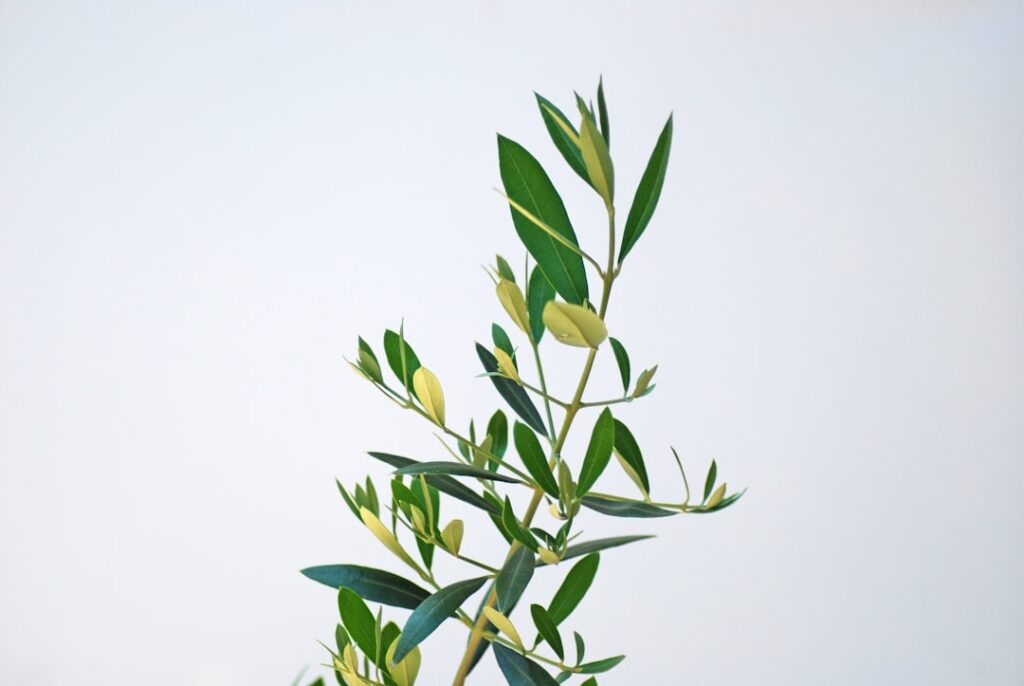
These are slow-to-moderate growers with dense, leathery evergreen leaves, forming a naturally full plant that screens well. Depending on species and pruning, a tea olive can be kept as a rounded shrub or grown into a small tree, and it lives for decades — many Southern specimens are older than the houses they shade.
Size, Hardiness, and Where It Grows
Tea olive is a warm-climate plant, generally hardy in USDA zones 7 to 10, with fragrant tea olive happiest in zones 8 to 10 and some hardier selections tolerating zone 7 with protection. In colder regions it can be grown in a container and overwintered indoors, where its fall bloom perfumes a whole room.
Mature size depends on species. Fragrant tea olive can reach 10 to 15 feet tall (occasionally more over many years) and 6 to 8 feet wide if unpruned, functioning almost as a small tree. Holly tea olive tends to stay more compact at 8 to 10 feet. Because they respond well to pruning, most homeowners keep them at whatever height suits the space — a 6-foot hedge or a 12-foot screen. Plan for the mature size when spacing, but know you can control it.
When It Blooms and Why the Fragrance Matters
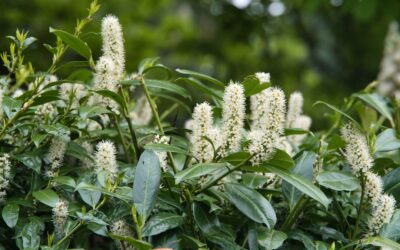
The fragrance is the whole reason to grow tea olive, and its timing is a bonus. Fragrant tea olive often blooms in flushes from fall through spring, with the heaviest show in autumn when few other plants are scenting the garden. Holly tea olive typically blooms in fall. The flowers themselves are almost inconspicuous — tiny clusters tucked among the leaves — but the scent is remarkable, variously described as apricot, peach, jasmine, or gardenia, and it drifts far on the air.
Because the bloom comes when the garden is winding down, tea olive extends the sensory season. Plant it near a patio, walkway, entry, or window where you’ll pass by and catch the scent, and it earns its keep every fall. This placement strategy is the single best tip for enjoying a tea olive.
How to Plant a Tea Olive
Tea olive is forgiving but rewards a proper start. Plant in spring or fall, avoiding the peak of summer heat:
- Pick the spot: Full sun to part shade. More sun means more flowers and denser growth; it tolerates part shade but blooms less there. Near a walkway or window is ideal for enjoying the scent.
- Check drainage: Tea olive wants well-drained soil and dislikes wet feet. Avoid low, soggy spots; amend heavy clay with compost or plant on a slight mound.
- Dig the hole: Twice as wide as the root ball and no deeper. Set the top of the root ball level with or slightly above grade.
- Backfill and water: Fill with the native soil (amended if poor), firm gently, and water deeply to settle out air pockets.
- Mulch: Apply 2 to 3 inches of mulch around the base, kept a few inches off the trunk, to hold moisture and moderate soil temperature.
For a hedge or screen, space fragrant tea olives about 5 to 8 feet apart depending on how quickly you want them to close and how large you’ll let them grow.
Watering and Feeding
Establishment is the critical period. For the first year or two, water deeply once or twice a week during dry spells to build a strong root system, easing off as the plant establishes. Once established, tea olive is quite drought-tolerant and needs supplemental water only during extended dry stretches. It prefers slightly acidic soil, which suits most of the Southeast naturally.
Feeding is minimal. A single application of a balanced, slow-release shrub fertilizer or one formulated for acid-loving plants in early spring supports healthy growth and flowering. Over-fertilizing pushes leafy growth at the expense of blooms, so err on the light side. A thin annual topdressing of compost is often all an established plant needs.
Pruning and Shaping
Tea olive tolerates pruning exceptionally well, which is why it works as anything from a formal hedge to a natural specimen. The key is timing: because it blooms mostly in fall and winter, prune right after the main flowering flush finishes, typically in late winter or early spring, so you don’t cut off developing buds. Light shaping and removing wayward branches can be done anytime.
For a hedge, shear lightly once or twice a year to keep it dense and at your target height. For a natural form or to train it into a small tree, remove lower branches gradually and let the canopy develop. Tea olive rarely needs hard pruning, but it can be cut back fairly aggressively to rejuvenate an overgrown plant, and it responds with fresh growth.
Problems and Pests
One of tea olive’s best traits is how trouble-free it is. It’s deer-resistant, which alone makes it valuable in browsed landscapes, and it has few serious pests. Occasional issues include scale insects and, in poorly drained soil, root rot — the latter almost always a symptom of overwatering or soggy sites rather than a disease you catch. Good drainage prevents most problems. If leaves yellow, it’s usually either poor drainage or a nutrient issue in alkaline soil, correctable with an acidifying fertilizer. Overall, a well-sited tea olive asks very little and gives a lot in return.
Using Tea Olive in the Landscape
Part of what makes tea olive so useful is its versatility. As a single specimen near an entry or patio, it becomes a fragrant focal point every fall. Planted in a row and lightly sheared, it forms one of the best scented privacy hedges in warm climates, screening year-round with the bonus of seasonal perfume. Limbed up over time, it can be trained into a small multi-trunk tree that anchors a corner of the yard. And in colder regions, a container-grown tea olive on a deck or by a doorway brings the fragrance right to where you’ll enjoy it before coming indoors for winter.
It also pairs beautifully with other Southern staples. Underplant it with camellias, azaleas, and hydrangeas that share its preference for slightly acidic, well-drained soil, and you build a layered, low-maintenance border with something happening in nearly every season. Its dense evergreen backdrop makes the flowers of neighboring plants pop while providing structure through winter.
Tea Olive Varieties Worth Knowing
Beyond the classic white-flowered fragrant tea olive, a few selections expand the palette. Osmanthus fragrans f. aurantiacus produces orange flowers with an even more pronounced apricot scent, blooming in a strong fall flush. Holly tea olive (Osmanthus heterophyllus) offers holly-like foliage and cultivars such as ‘Goshiki’ with variegated cream-and-green leaves that brighten shady spots. Fortune’s tea olive is a vigorous hybrid that makes an excellent large screen. When shopping, match the variety to your goal — maximum fragrance, a specific flower color, foliage interest, or screening size — and confirm it suits your hardiness zone before buying.
Frequently Asked Questions
How fast does a tea olive grow? Tea olive is a slow-to-moderate grower, typically adding about 6 inches to 1 foot per year. It’s chosen for fragrance, density, and longevity rather than speed, so start with a larger plant if you want a screen quickly.
Where should I plant a tea olive for the best fragrance? Near a walkway, patio, entry, or window in full sun to part shade, where you’ll pass by and catch the scent as it drifts. More sun produces more flowers and a fuller plant, maximizing the fragrance.
Is tea olive evergreen? Yes, tea olive is a broadleaf evergreen that holds its dense, leathery foliage year-round, which makes it excellent for privacy screening and hedges as well as fragrance. It stays green and screening even in winter.
How cold hardy is a tea olive shrub? Most are hardy in USDA zones 7 to 10, with fragrant tea olive best in zones 8 to 10 and hardier selections tolerating zone 7 with protection. In colder areas, grow it in a container and bring it indoors for winter.