If you have ever found traditional rooms too fussy and modern rooms too cold, you are probably drawn to transitional interior design. It is the middle ground: the comfort and familiar shapes of traditional furniture combined with the clean lines, restraint and neutral calm of modern design. The result is a room that feels relaxed, polished and hard to date.
Transitional style is also one of the most practical looks for resale and everyday living. Its neutral backdrop works with almost any architecture, it adapts easily as tastes change, and it rarely clashes with the furniture people already own. That is why it shows up so often in new construction, model homes and real estate listings.
- What Is Transitional Interior Design?
- Transitional vs Modern Traditional
- The Transitional Furniture Style
- Color and Wall Treatments
- Flooring for a Transitional Home
- Designing a Transitional Style Living Room Step by Step
- Other Rooms
- Troubleshooting a Bland Transitional Room
- Costs and Professional Help
- Frequently Asked Questions
The challenge is that “neutral and in between” can easily become bland. Getting transitional design right depends on texture, scale, a disciplined palette and a few well-chosen contrasts.
What Is Transitional Interior Design?
Transitional style interior design takes traditional elements, such as rolled arms, curved chair backs, tufting, paneled doors and crown molding, and simplifies them. Ornament is reduced, colors are quieted and modern materials such as glass, metal, stone and performance fabrics are introduced. The traditional influence is felt mostly in comfort and proportion rather than decoration.
Core characteristics include:
- Neutral palette. Whites, creams, taupes, greiges, soft grays and warm beiges dominate, with color appearing in small doses.
- Tailored furniture. Clean silhouettes with subtle curves, such as track-arm or slightly rolled-arm sofas, slipper chairs and pedestal tables.
- Mixed materials. Wood beside metal, stone beside linen, glass beside leather.
- Texture over pattern. Chenille, boucle, wool, linen, jute, velvet and leather replace busy prints.
- Restrained accessories. A few meaningful pieces, plants and art rather than collections.
Transitional vs Modern Traditional
These two are often confused because both blend old and new. The difference is in degree. Modern traditional decor stays closer to classic design: it keeps antiques, turned legs, symmetry, richer colors such as navy or deep green, and a stronger sense of formality. Transitional design style goes further toward modern. Patterns are rarer, colors are softer, furniture is more pared back, and antiques appear only occasionally as accents.
A quick way to tell them apart: if a room has a carved antique sideboard, a navy paneled library and a crystal chandelier, it leans modern traditional. If it has a slipcovered linen sofa, a stone-topped coffee table with simple metal legs, a drum-shade pendant and walls in warm greige, it is transitional.
Transitional is also distinct from contemporary. Contemporary design follows current trends and can include bold color and dramatic shapes. Transitional avoids trend-driven extremes to stay timeless.
The Transitional Furniture Style
Furniture does most of the work in defining the look. Look for:
- Sofas with clean lines, tight or loose cushions, and track or gently rounded arms in solid fabric.
- Accent chairs with a curved back or barrel shape, often in a texture such as boucle or leather.
- Tables combining materials, such as a wood top on a metal base or a stone top on a simple pedestal.
- Case goods with flat or simple shaker fronts, minimal hardware and medium to dark wood or painted finishes.
- Beds with upholstered headboards in a simple rectangular or channel-tufted design.
Scale matters. Transitional rooms typically use fewer, larger pieces rather than many small ones. A generously sized sofa and two chairs feel calmer than a sofa, loveseat, three chairs and several side tables.
Color and Wall Treatments
The transitional decorating style relies on a tight neutral scheme. Choose one main wall color and use it through connected spaces for flow. Warm greige is popular because it bridges warm wood tones and cool metals. For contrast, add a darker neutral such as charcoal, espresso or black in furniture, lighting or frames.
Accent colors should be muted: dusty blue, sage, blush, soft rust or slate. Introduce them in pillows, a throw, artwork or a rug rather than on walls. Walls stay fairly plain. Simple molding, picture-frame paneling or a subtle grasscloth in a dining room or office adds interest without busy pattern.
Flooring for a Transitional Home
Floors in transitional homes usually run continuously through the main living areas to support the calm, connected feel.
Wood and Wood-Look Floors
Medium-tone oak, walnut-look or lightly brushed natural finishes are the most common. Avoid very orange, very red or very gray stains, which date quickly. Plank widths of 5 to 7 inches suit most transitional homes. Engineered hardwood is a strong choice for stability across large open areas, and realistic luxury vinyl plank in a matching tone works in kitchens, baths and basements where moisture is a concern.
Tile and Stone
Large-format porcelain in soft stone or concrete looks, often 12 by 24 inches or larger, suits kitchens, baths and entries. Marble-look porcelain in bathrooms and simple subway or stacked tile on walls keep the look clean. Match grout color closely to tile for a quieter surface.
Carpet and Rugs
Wall-to-wall carpet in bedrooms should be a low-pattern neutral, such as a subtle loop or cut pile in oatmeal or soft gray. On hard floors, area rugs in low-contrast patterns, tone-on-tone geometric designs or natural fibers define zones without competing with the furniture.
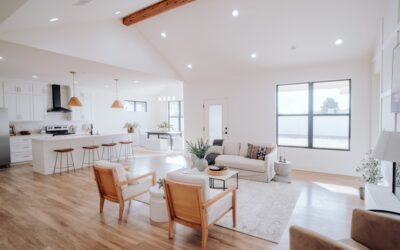
Designing a Transitional Style Living Room Step by Step
- Set the backdrop. Paint walls a warm neutral and trim a matching or slightly lighter shade in satin.
- Choose the anchor piece. Start with a clean-lined sofa in a durable neutral fabric. Performance linen blends or chenille hold up well.
- Add contrast seating. Pair two accent chairs in a different texture, such as leather or boucle, across from or beside the sofa.
- Pick the rug. Size it so at least the front legs of all seating rest on it; in most living rooms that means 8 by 10 feet or larger.
- Mix table materials. A wood coffee table with metal side tables, or a stone coffee table with wood end tables, creates the mixed-material look.
- Layer lighting. Use an overhead fixture, two table or floor lamps and an accent light. Warm 2700K to 3000K bulbs on dimmers keep the room soft. Any hardwired fixture swap requires turning off the breaker and confirming power is off with a non-contact voltage tester, or hire a licensed electrician.
- Finish with texture. Add a chunky knit throw, linen pillows in two or three neutral shades and one or two pillows in a muted accent color.
- Edit the accessories. One large piece of art, a few books, a plant and a sculptural object per surface are plenty.
Other Rooms
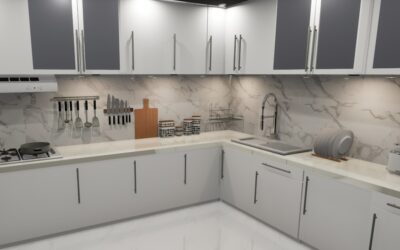
Kitchen: Shaker cabinets in white, cream or a soft gray, quartz or marble-look counters, a simple backsplash and pendants that combine metal with glass or linen. Two-tone kitchens with a wood or darker island are common.
Dining room: A wood table with upholstered chairs, a simple chandelier and a single large mirror or artwork.
Bedroom: An upholstered headboard, crisp layered bedding, matching nightstands with modern lamps and blackout linen drapery.
Bathroom: A furniture-style or floating vanity, marble-look tile, brushed nickel or matte black fixtures and a frameless glass shower.
Troubleshooting a Bland Transitional Room
Everything blends together. Add a darker element: a black lamp, a walnut table, charcoal pillows or framed art with strong contrast.
The room feels flat. Vary textures more aggressively. Mix nubby, smooth, shiny and matte. Add a plant with large leaves.
It feels like a model home. Bring in one personal or vintage piece per room, such as a family chair, a collected ceramic or a well-worn rug.
Proportions look off. Undersized rugs and small art make rooms feel disjointed. Size up both.
Costs and Professional Help
Transitional rooms can be achieved gradually. Repainting and switching textiles are inexpensive. Quality sofas and chairs are the largest furniture investment. Continuous flooring across an open plan varies by material, with luxury vinyl plank generally costing less installed than engineered or solid hardwood. An interior designer helps when coordinating finishes across a whole floor, and a licensed electrician should handle new lighting circuits, recessed lights or relocated fixtures. If removing old flooring in a home built before the 1980s, test vinyl tiles and adhesive for asbestos before disturbing them.
Transitional interior design lasts because it never commits to an extreme. Keep the palette calm, mix materials with confidence and let texture and good proportions do the decorating.
Frequently Asked Questions
What colors are used in transitional interior design?
Neutrals dominate: whites, creams, warm greige, taupe and soft gray. Muted accents such as dusty blue, sage or soft rust appear in textiles and art, with darker neutrals like charcoal or black providing contrast.
How is transitional different from modern traditional?
Modern traditional keeps more classic detail, including antiques, symmetry and richer colors. Transitional is more pared back, favoring neutral palettes, tailored furniture with simple curves and minimal ornament.
What flooring works best for transitional homes?
Medium-tone oak or engineered hardwood, realistic wood-look luxury vinyl plank and large-format stone-look porcelain tile are common. Running the same floor through main living areas supports the calm, connected look.
Can I mix transitional furniture with pieces I already own?
Usually yes. Transitional style is forgiving. Reupholster traditional pieces in solid neutral fabrics, pair them with simpler modern tables and lighting, and keep the palette consistent.
Is transitional design good for resale?
It is one of the safest choices because neutral, timeless finishes appeal to a wide range of buyers and work with almost any furniture they bring.