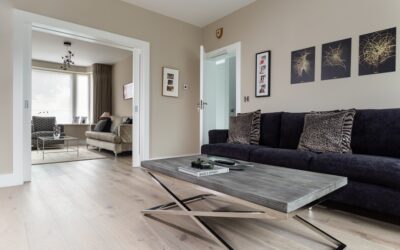
The types of laminate flooring available in 2026 go far beyond what most homeowners expect. What was once a simple, affordable alternative to hardwood has evolved into a sophisticated category with multiple construction methods, texture technologies, durability classes, thicknesses, and plank formats. Understanding these differences is the key to choosing laminate that looks beautiful and performs well in your specific situation.
This guide breaks down every type of laminate flooring so you can make an informed decision based on construction quality, surface realism, durability, and intended use.
Types of Laminate by Construction Method
All laminate flooring is made of layers, but the method used to bond those layers together determines the product’s overall quality and performance. There are two main construction types.
DPL (Direct Pressure Laminate)
DPL is the most common and affordable laminate construction method. In DPL manufacturing, the four layers of laminate (backing, core, decorative paper, and wear layer) are fused together in a single pressing operation using heat and pressure.
DPL laminate is suitable for most residential applications. It handles normal household traffic well, is easy to install, and represents the majority of laminate products on the market. When you see laminate priced between $1 and $3 per square foot, it is almost certainly DPL construction.
Best for: Bedrooms, living rooms, home offices, and moderate-traffic residential spaces.
HPL (High Pressure Laminate)
HPL construction is a premium, two-step process. First, multiple layers of kraft paper soaked in melamine resin are fused together under extremely high pressure (over 1,000 PSI) to create a dense, durable surface layer. This pre-formed surface layer is then bonded to the core board in a second pressing step.
The result is a significantly harder, more impact-resistant, and more durable product compared to DPL. HPL laminate resists scratches, dents, and wear much better and is rated for commercial applications. Premium brands like Pergo and Mannington use HPL construction in their top-tier product lines.
Best for: High-traffic residential areas, commercial spaces, kitchens, entryways, and homes with pets or children.
Types of Laminate by Surface Finish
The surface finish determines how realistic the laminate looks and feels. Advances in printing and texturing technology have dramatically improved laminate aesthetics in recent years.
Smooth Finish
Smooth-finish laminate has a flat, uniform surface with a slight sheen. This was the original laminate finish and is still found on budget products. While clean and easy to maintain, smooth laminate does not look or feel like real wood, which limits its appeal in prominent rooms.
Textured Finish
Textured laminate has a surface pattern that simulates wood grain, but the texture does not necessarily align with the printed wood pattern underneath. It offers a more tactile feel than smooth laminate and does a better job concealing minor scratches and dust. This is the standard finish on most mid-range laminate.
Embossed-in-Register (EIR)
EIR is the gold standard for realistic laminate. The surface texture precisely aligns with the printed wood grain, so the grooves and ridges you feel under your fingers match the visual pattern. This creates a remarkably realistic wood-look that fools most people. EIR laminate costs more than basic textured products but delivers a premium appearance that rivals engineered hardwood.
Brands known for excellent EIR include Pergo TimberCraft, Quick-Step Impressive, and Mannington Restoration.
Hand-Scraped Finish
Hand-scraped laminate mimics the look of antique or artisanal hardwood floors that were planed by hand rather than machine. The surface features irregular scraping marks, subtle dips, and varied texture that give each plank a unique, rustic character. This finish is popular in farmhouse, rustic, and traditional decor styles.
Wire-Brushed Finish
Wire-brushed laminate simulates the look of wood that has been brushed with a steel wire brush to expose the softer grain while leaving the harder grain raised. The result is a subtle linear texture that looks elegant and contemporary. It is particularly popular in gray-toned and white-washed oak designs.
Distressed Finish
Distressed laminate features intentional imperfections like saw marks, worm holes, mineral streaks, and knot details. It replicates reclaimed or aged wood and works well in spaces where you want character and warmth. Because the distressing masks wear, this finish is also practical for high-traffic areas.
High Gloss / Piano Finish
High-gloss laminate has a mirror-like sheen that creates a dramatic, modern look. It is visually striking, especially in dark colors, but every speck of dust, footprint, and scratch is highly visible. This finish requires frequent cleaning and is best suited for low-traffic areas where visual impact is the priority.
Types of Laminate by AC Rating
The AC (Abrasion Class) rating is an independent testing standard that measures laminate durability. It evaluates resistance to abrasion, impact, staining, and cigarette burns. Understanding AC ratings is essential when comparing types of laminate flooring.
AC1 (Moderate Residential)
Suitable only for light-traffic residential areas like closets and guest bedrooms. Not recommended for any room that sees daily use. Rarely sold anymore as even budget products have moved to AC3.
AC2 (General Residential)
Designed for residential rooms with moderate traffic, such as bedrooms and dining rooms. AC2 handles normal household use but may show wear in busy areas like hallways and kitchens.
AC3 (Heavy Residential / Moderate Commercial)
The most common rating for quality residential laminate. AC3 handles all residential traffic levels, including busy households with kids and pets. It is also suitable for light commercial spaces like small offices.
AC4 (General Commercial)
AC4 laminate withstands heavy foot traffic found in commercial environments like retail stores, restaurants, and office buildings. In a residential setting, AC4 laminate offers exceptional longevity and is worth the premium for high-traffic homes.
AC5 (Heavy Commercial)
The highest AC rating, AC5 is designed for the most demanding commercial applications like department stores, public buildings, and airports. In a residential context, AC5 is overkill but guarantees that the floor will outlast the house.
Types of Laminate by Thickness
Laminate flooring thickness affects how solid it feels, how well it absorbs sound, and how long it lasts. Here is what to expect at each thickness level:
6mm
The thinnest laminate available. It feels hollow and noisy underfoot, even with underlayment. Suitable only for very light-use areas, temporary spaces, or situations where floor height is severely limited.
7mm
A budget-friendly option that performs adequately in bedrooms and low-traffic areas. Still relatively thin and benefits greatly from quality underlayment for comfort and sound reduction.
8mm
The sweet spot for value-conscious buyers. Eight-millimeter laminate provides a solid feel underfoot, good sound performance with underlayment, and comes in a wide variety of styles. Most mid-range products fall in this thickness range.
10mm
Premium thickness that feels noticeably more substantial than 8mm. Ten-millimeter laminate offers better sound absorption, a more realistic wood feel, and typically comes with more advanced locking systems and surface finishes.
12mm
The thickest laminate commonly available. At 12mm, laminate feels very close to real hardwood or engineered wood flooring underfoot. It provides excellent sound dampening, handles heavy traffic with ease, and generally features the most realistic textures and longest warranties.
Types of Laminate by Plank Format
Laminate comes in several plank sizes and formats, each creating a different visual effect:
Standard Planks
Standard laminate planks are approximately 5 inches wide and 48 inches long. This is the classic laminate format that mimics traditional strip hardwood flooring. It works well in any room size and is the easiest format to install.
Wide Planks
Wide-plank laminate ranges from 6 to 9 inches in width, replicating the popular wide-plank hardwood look. Wider planks create a more modern, open appearance with fewer seams. They work best in larger rooms where narrow planks can look busy.
Extra-Wide and Extra-Long Planks
Some premium laminate comes in extra-wide (9+ inches) and extra-long (60 to 80 inches) formats. These oversized planks minimize seams for a clean, expansive look. They require a very flat subfloor because any imperfections are magnified by the larger plank size.
Tile-Format Laminate
Tile-format laminate comes in square or rectangular shapes that mimic ceramic, porcelain, or natural stone tile. It offers the visual appeal of tile with the warmth and easier installation of laminate. Sizes typically range from 12 x 12 inches to 15 x 30 inches.
Multi-Width Planks
Some laminate collections include planks in two or three different widths that are installed randomly for a more natural, organic look. This format closely mimics authentic random-width hardwood floors.
Types of Laminate by Core Technology
Recent innovations in laminate core technology have expanded the types of laminate flooring available:
Standard HDF Core
Traditional laminate uses a high-density fiberboard (HDF) core. HDF is strong and stable but swells when exposed to prolonged moisture. Standard HDF laminate is fine for dry areas but not recommended for bathrooms, laundry rooms, or moisture-prone basements.
Water-Resistant HDF Core
Some manufacturers treat the HDF core with water-resistant resins that slow moisture absorption. These products handle occasional spills and splashes better than standard HDF but are not truly waterproof. They are suitable for kitchens and entryways where occasional water exposure occurs.
Waterproof Core (WPC or SPC Hybrid)
The newest category blurs the line between laminate and luxury vinyl. These products use a waterproof WPC (wood plastic composite) or SPC (stone plastic composite) core beneath a laminate-style decorative surface. They combine the realistic visuals of laminate with the waterproof performance of vinyl, making them suitable for bathrooms, basements, and any moisture-prone area.
Choosing the Right Type for Your Space
With so many types of laminate flooring available, matching the right product to your room is essential:
- Bedrooms: AC3 DPL, 8mm+, any finish you prefer. Comfort is the priority, so choose thicker laminate with quality underlayment.
- Living rooms: AC3-AC4, 8-10mm, EIR or textured finish for a realistic look. Wide planks work well in open layouts.
- Kitchens: AC4 HPL with water-resistant or waterproof core. Textured finish for slip resistance.
- Basements: Waterproof core laminate only. Moisture from concrete slabs will destroy standard HDF core products.
- Commercial spaces: AC4-AC5 HPL, 10-12mm. Durability and warranty terms are the top priorities.
- Rentals: AC3 DPL, 7-8mm. Budget-friendly products that handle tenant wear and are easy to replace between tenants.
Final Thoughts
The types of laminate flooring available today offer something for every budget, design preference, and performance requirement. From basic DPL products for budget renovations to premium HPL laminate with EIR textures that rival real hardwood, the category has never been more diverse. Focus on the AC rating and thickness for durability, choose a surface finish that matches your aesthetic, and select the right core technology for your room’s moisture conditions. With the right combination, laminate flooring delivers outstanding value and beauty that lasts for decades.
Prefer to explore on your own?
See how new flooring looks in your actual room in seconds — free, no signup.
Try the free Floor Studio →