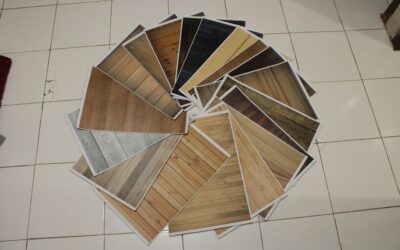
Walk into any flooring showroom and the LVT wall can be overwhelming: dozens of looks, several thicknesses, and confusing acronyms like SPC and WPC. Understanding the types of LVT flooring is the key to choosing well, because the differences in construction directly affect waterproofing, comfort, durability, and price. LVT (luxury vinyl tile) is a printed, multi-layer vinyl product that mimics wood, stone, or ceramic, and it comes in several distinct formats worth knowing before you buy.
How LVT Is Built
Every LVT plank or tile shares a layered structure: a clear wear layer on top, a printed design film below it, a vinyl core in the middle, and sometimes an attached underlayment on the bottom. The wear layer, measured in mils, determines scratch resistance, while the core type drives stability and comfort. The core is where the major types diverge.
The Main Types by Installation Method
- Glue-down LVT: Flexible tiles bonded directly to the subfloor with adhesive. Very stable, low-profile, and good for large commercial spaces. Usually 2mm to 3mm thick. $2 to $5 per square foot.
- Click (floating) LVT: Planks with a locking edge that snap together and float over the subfloor without glue. DIY-friendly and easy to replace. Typically 4mm to 8mm thick. $3 to $6 per square foot.
- Loose-lay LVT: Heavier tiles with a friction backing that grips the subfloor without adhesive or clicks. Easy to lift and swap, ideal for rentals. $3 to $6 per square foot.
The Main Types by Core Construction
Among rigid-core click products, two cores dominate:
- SPC (Stone Plastic Composite): A dense core of limestone powder and PVC. Extremely rigid and dimensionally stable, so it resists temperature swings and hides minor subfloor flaws. Thinner (4mm to 6mm) but firmer and harder underfoot. Best for sunrooms, basements, and homes with uneven floors.
- WPC (Wood Plastic Composite): A foamed core of wood flour and PVC. Slightly thicker and softer, warmer and quieter underfoot. More comfortable but a bit less impact-resistant than SPC. Great for living areas and bedrooms.
Both SPC and WPC are fully waterproof, making them suitable for kitchens, bathrooms, and basements.
Understanding Wear Layers
The wear layer matters more than total thickness for predicting lifespan:
- 6 mil: Light residential, low-traffic rooms.
- 12 mil: Standard residential use.
- 20 mil: Heavy residential and light commercial, pets and kids.
- 28 mil and up: Commercial-grade.
For most homes, target at least 12 mil, and step up to 20 mil if you have dogs, children, or heavy traffic.
The Pros of LVT
LVT is waterproof (in rigid-core forms), warm and quiet underfoot, and easy to maintain with just sweeping and damp-mopping. Modern printing and embossing produce convincing wood and stone looks at a fraction of the real material’s cost. Click and loose-lay formats are DIY-friendly, and individual tiles can be replaced if damaged. It also installs over many existing floors with minimal prep.
The Cons
Quality varies widely; cheap thin-wear-layer LVT scratches and dents fast, so bargain products are a false economy. LVT cannot be refinished, so once the wear layer is breached, the plank must be replaced. Glue-down and thin products telegraph subfloor imperfections, requiring good prep. And while LVT is durable, it does not add the resale value of genuine hardwood.
How to Choose the Right Type
Match the format to your project. For a DIY floating floor in a busy home, choose click SPC or WPC with a 20-mil wear layer. For a large commercial area or a perfectly flat slab, glue-down is economical and stable. For a rental you may need to remove, loose-lay is the easiest to lift. In sunrooms and over radiant heat, favor SPC for its dimensional stability; for comfort underfoot in bedrooms, WPC wins.
LVT vs. LVP: Tile Look vs. Plank Look
Within luxury vinyl, the distinction between LVT and LVP is mostly about shape and the look it imitates. LVT comes in square or rectangular tiles that mimic ceramic, porcelain, marble, and concrete, often installed with grout-line spacing and even groutable seams for a true stone effect. LVP comes in long, narrow planks that imitate wood. Both share the same multi-layer construction and core options, so the choice is aesthetic: tile-look for kitchens, bathrooms, and entries where you want a stone or ceramic appearance, plank-look for living areas where you want hardwood warmth.
Some products blur the line with large-format wood-look tiles or stone-look planks, so focus on the visual you want and the core construction that fits your room rather than the LVT-versus-LVP label.
Installation Tips for Each Type
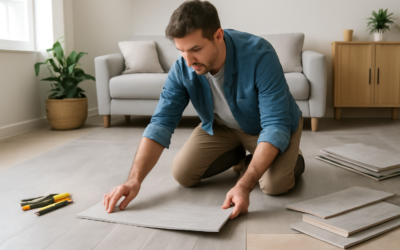
Glue-down tiles need a smooth, fully cured, dry subfloor and the right adhesive; roll the floor with a 100-pound roller for full contact. Click and loose-lay products float, so leave the manufacturer’s expansion gap (usually 1/4 to 3/8 inch) at the perimeter and acclimate the boxes 48 hours at 65 to 85 degrees Fahrenheit. For groutable LVT, use the specified flexible grout, not standard cement grout, which would crack on a resilient floor.
Whatever type you choose, order 7 to 10 percent extra for cuts and future repairs, and keep a few spare planks or tiles, since individual pieces can be swapped if damaged later. Inspect each box for the same dye lot to avoid subtle color shifts across the room.
Mixing planks from several boxes as you install is a pro habit worth adopting. Open four or five boxes at once and pull boards from each as you go, rather than finishing one box before opening the next. This blends the natural variation in printed designs across the whole floor instead of clustering similar boards together, which prevents the patchy, banded look that gives cheap installations away. It also distributes any minor shade differences between dye lots so evenly that they become invisible, leaving you with a natural, randomized appearance that reads like real wood or stone.
Bottom Line
Knowing the types of LVT flooring turns a confusing showroom into a clear decision. Pick the installation method that fits your skills and subfloor, choose SPC or WPC based on whether you prioritize stability or comfort, and never go below a 12-mil wear layer in a lived-in room. Get those three choices right and LVT delivers waterproof, good-looking, low-maintenance flooring for $2 to $6 per square foot.
Prefer to explore on your own?
See how new flooring looks in your actual room in seconds — free, no signup.
Try the free Floor Studio →