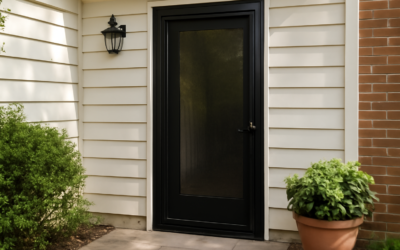
When you want fresh air without the bugs, the screen door earns its keep, and the frame material makes a real difference in how long it lasts. Vinyl screen doors have become a popular choice because they resist rot, never need painting, and shrug off moisture that would warp wood or corrode some metals. For homeowners who want a low-maintenance way to ventilate, they offer a practical, budget-friendly option worth understanding before you buy.
Part of our Windows & Doors guide — explore the full guide →
What Makes Vinyl Different
Screen door frames typically come in three materials: wood, aluminum, and vinyl. Vinyl, made from PVC, sits at the value-and-convenience end. It does not rust like steel, does not corrode like aluminum can in coastal salt air, and does not rot, swell, or need repainting the way wood does. The color runs through the material, so minor scratches do not expose a different shade underneath.
That said, vinyl frames are generally lighter-duty than heavy aluminum or solid wood. They work best on standard residential entries and patio doors rather than oversized or high-abuse openings. Understanding that trade-off helps set the right expectations.
Pros of Vinyl Screen Doors
- Low maintenance: No painting, staining, or sealing. An occasional wipe-down keeps them looking fresh.
- Moisture resistant: They will not rot, warp, or rust, making them well suited to humid and rainy climates.
- Affordable: Generally among the lower-cost framing materials.
- Good insulation: Vinyl does not conduct heat and cold the way metal frames do, a small efficiency edge on combination storm-and-screen doors.
- Color stability: Quality vinyl resists fading and hides scratches since the color is integral.
Cons to Consider
No material is perfect, and vinyl has a few honest drawbacks. It is less rigid than aluminum, so very large doors can flex over time. Cheaper vinyl can become brittle after years of intense UV exposure, potentially cracking in harsh sun, though quality formulations resist this better. Color options on vinyl frames are often more limited than painted wood or aluminum, with white being the most common.
Vinyl frames are also harder to repair than wood. A cracked vinyl component usually means replacing the part or the door rather than patching it. For a high-traffic family entry where the door gets slammed dozens of times a day, a heavier-duty material may hold up longer.
Types and Styles
Vinyl screen doors come in several configurations to match how you want to use the opening.
- Hinged screen doors: The classic swinging door for front and back entries.
- Sliding screen doors: Pair with sliding glass patio doors and glide on a track.
- Retractable screen doors: Roll into a discreet housing when not in use, keeping the view clear.
- Combination storm doors: Switch between a full glass panel and a screen for year-round use.
Screen material itself varies too, from standard fiberglass mesh to pet-resistant heavy-duty mesh and finer no-see-um screening that blocks tiny insects.
Sizing and Buying Tips
Accurate measurement is the most important step before buying. Measure the width and height of your door opening at several points, since older frames are rarely perfectly square. Standard screen doors fit common door widths, but confirm your exact opening before ordering, and note whether you need a left-hand or right-hand swing for hinged models.
For sliding screen doors, measure the track height and width carefully, and check the roller configuration on your existing track. When a stock size does not fit an unusual opening, many retailers offer adjustable-width frames or custom sizing. Buy a quality mesh rated for your needs, choosing pet-resistant screen if you have dogs or cats that push against it.
Installation Overview
Many vinyl screen doors are designed for DIY installation, particularly hinged and sliding models that come with mounting hardware and instructions.
- Confirm the door matches your measured opening and that the swing direction is correct.
- Attach the hinge rail or mounting brackets to the door frame per the instructions, checking for plumb and level.
- Hang the door, then install the closer, latch, and any wind chain.
- Adjust the closer speed so the door shuts gently rather than slamming.
- For sliding screens, set the door into the top track first, then guide the rollers onto the bottom track and adjust roller height for smooth, quiet travel.
Follow the manufacturer’s instructions closely, since hardware and adjustment details vary by model. If your opening is badly out of square or the installation feels beyond your comfort level, a handyman can hang one quickly.
Vinyl Versus Aluminum and Wood
Choosing a frame material comes down to how you weigh cost, durability, and looks. Vinyl wins on low maintenance and price, never needing paint and shrugging off moisture, which makes it a smart default for standard residential openings in humid or rainy climates. Its main limit is rigidity; on very large or heavily used doors it can flex more than metal over time.
Aluminum frames are lighter-duty in feel but stronger and more rigid than vinyl, holding up well on bigger sliding patio screens, though they can corrode in coastal salt air and conduct heat and cold. Wood offers the most classic, customizable look and serious strength, but it demands real upkeep: periodic painting or sealing, and vigilance against rot and warping if it gets wet. For most homeowners who want to install a screen door, enjoy the breeze, and then forget about it, vinyl strikes the best balance. If you have an oversized opening, a high-slam family entry, or want a specific stained-wood aesthetic, weigh the sturdier or more customizable alternatives against the extra cost and maintenance they bring.
Care and Maintenance
Vinyl screen doors are about as low-maintenance as exterior hardware gets. Wipe the frame with mild soap and water a couple of times a year to remove dust and pollen. Clean the screen mesh gently with a soft brush or a vacuum brush attachment, and rinse it with a light spray if it gets dirty.
Keep sliding door tracks clear of debris and apply a dry silicone lubricant to rollers occasionally for smooth operation. Inspect the closer and latch periodically, and tighten any loose screws. With minimal effort, vinyl screen doors deliver years of fresh-air ventilation and bug protection, making them a sensible, low-fuss upgrade for most homes.
Prefer to explore on your own?
See how new flooring looks in your actual room in seconds — free, no signup.
Try the free Floor Studio →