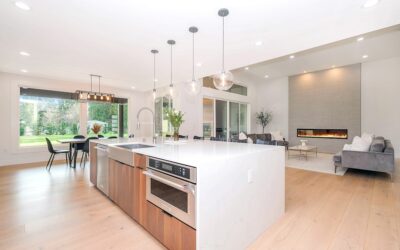
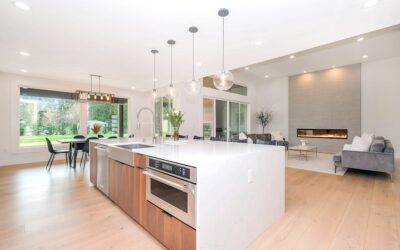
Few design details transform a kitchen island like a waterfall countertop edge, where the counter material turns 90 degrees and flows down the side of the cabinet all the way to the floor. The effect is sleek, sculptural, and unmistakably modern, turning an ordinary island into the focal point of the room.
Part of our Countertops guide — explore the full guide →
A waterfall countertop edge is not just a style choice; it affects cost, material selection, and installation in ways worth understanding before you commit. This guide explains how the edge works, which materials suit it, what it costs, and whether it makes sense for your space.
What a Waterfall Edge Actually Is
A standard countertop has a finished edge profile at the front, and the cabinet sides below are covered with door panels or end panels. A waterfall edge does something different: the same slab continues over the corner and cascades vertically down the side, so the stone or quartz meets the floor. The grain or veining ideally continues unbroken around the corner, creating the impression of a single folded sheet of material.
This treatment appears most often on kitchen islands, but it also works on peninsulas, bathroom vanities, fireplace surrounds, and built-in desks. It can run down one end or both. The defining feature is that the countertop material, not cabinetry, forms the visible side.
The Visual Appeal
The reason designers reach for this edge is impact. A waterfall island reads as a solid, monolithic block of stone, which feels luxurious and architectural. It draws the eye, anchors an open-concept floor plan, and shows off dramatic veining in marble-look quartz or natural stone where the pattern wraps the corner.
It also has practical perks. The vertical panel protects cabinet ends from scuffs, kicks, and stool traffic, and it gives a clean, seamless surface that wipes down easily. In homes with seating along the island, the waterfall side hides the cabinet boxes for a tidier, more finished look.
Best Materials for the Look
Almost any slab countertop material can be fabricated into a waterfall edge, but some perform and look better than others.
- Engineered quartz: the most popular choice. It is consistent, durable, nonporous, and available in dramatic marble-look patterns that wrap the corner cleanly. It resists chips on the exposed vertical edges better than many natural stones.
- Marble: stunning veining, but soft and prone to etching and staining. Best for low-traffic or budget-no-object projects where the owner accepts a lived-in patina.
- Granite: tough and varied, though bold movement that wraps the corner can be harder to match across the miter.
- Quartzite: a natural stone with marble looks and high hardness, a strong performer for a waterfall.
- Porcelain slab and solid surface: thinner, lighter options that fabricate well and suit contemporary designs.
For the most striking result, choose a material with continuous, book-matched veining so the pattern appears to pour over the edge without interruption.
How the Corner Is Made
The corner is the heart of a waterfall, and it is usually formed with a mitered joint. The fabricator cuts the horizontal top and the vertical side at matching 45-degree angles, then joins them so they meet in a crisp, nearly invisible seam at the corner. Skilled fabricators align the veining across this miter so the pattern flows continuously, which is what sells the illusion of a single folded slab.
Achieving a clean, well-matched miter takes precision and adds labor. It also requires more material, since the vertical drop uses as much slab as a section of countertop. Both factors push up the price compared with a conventional edge.
What It Costs
A waterfall edge is a premium upgrade. Expect to pay more than a standard counter for the same island, driven by extra material and skilled fabrication labor for the mitered corners. As a rough guide, the added cost for a waterfall side commonly runs several hundred to a couple thousand dollars per panel, depending on the material, slab price, and the complexity of vein matching.
Total project cost varies widely with the stone you choose. Premium quartz and quartzite carry higher slab prices, and large or double-sided waterfalls use more material. Always get an itemized quote that separates material, fabrication, and installation, and ask the fabricator to show you how they plan to lay out the veining before they cut. These are estimates; your local market, slab selection, and island size will determine the final figure.
Pros and Cons to Weigh
Like any bold design choice, the waterfall edge has tradeoffs worth considering before you commit.
- Pros: striking modern look, seamless wraparound veining, protected and easy-to-clean cabinet sides, high resale appeal in contemporary homes.
- Cons: higher material and labor cost, loss of cabinet or storage space where the panel meets the floor, and a strong stylistic statement that may date faster than a neutral edge.
Also think about how the look fits the rest of your home. A waterfall island sings in a clean, modern kitchen but can feel out of place in a traditional or farmhouse design, where a profiled edge and furniture-style cabinetry suit the room better.
Design and Installation Tips
Plan the waterfall before cabinets are finalized, because the panel reaches the floor and affects toe-kick and end-panel details. Decide early whether you want the edge on one end or both; a single waterfall pairs well with seating on the open side, while a double waterfall maximizes drama on a freestanding island.
Choose your specific slab in person and mark the veining you want at the corner. Confirm your fabricator has experience with mitered waterfall joints and ask to see prior work. Finally, protect the exposed vertical edges during the rest of construction, since the floor-level corner is vulnerable to bumps from tools and traffic. Handled thoughtfully, a waterfall countertop edge delivers a high-end, magazine-worthy island that becomes the centerpiece of the kitchen.
Caring for a Waterfall Edge
Maintenance depends on the material you select, and the vertical panel deserves the same care as the horizontal top. With engineered quartz, daily cleaning is simple: wipe with mild soap and water and avoid harsh abrasives or strong solvents that can dull the finish. Natural stones like marble and quartzite need pH-neutral cleaners and periodic sealing to guard against stains and etching, and the floor-level corner should be wiped of splashes and mop water that can pool against it.
Pay special attention to that bottom corner where the panel meets the floor. It is the most exposed part of the installation, taking knocks from feet, stools, vacuum cleaners, and cleaning equipment. Consider a small clearance or a discreet base detail so a mop or sponge can reach the joint, and inspect the seam occasionally for any sign of separation, especially in natural stone, where movement can stress the mitered joint over time.