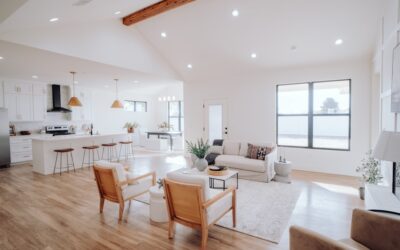
The demand for waterproof hardwood flooring has surged as homeowners want the look of real wood in kitchens, bathrooms, basements, and entryways — spaces where moisture has traditionally ruled out hardwood. Manufacturers have responded with products ranging from water-resistant engineered hardwood to fully waterproof wood-look alternatives, but the marketing can be misleading.
Part of our Roofing guide — explore the full guide →
This guide separates fact from marketing hype. We will cover what truly waterproof hardwood flooring looks like in 2026, the technology behind it, which brands deliver, where the limitations lie, and when you are better off choosing a different material entirely.
- The Truth About Waterproof Hardwood
- Water-Resistant vs Waterproof: Key Differences
- Engineered Hardwood Waterproof Options
- Waterproofing Technologies Explained
- Top Waterproof Hardwood Brands
- Where to Install (and Where Not To)
- Honest Limitations You Should Know
- Waterproof Alternatives That Look Like Wood
- Installation Considerations
- Maintenance and Care
- Cost Comparison
- Frequently Asked Questions
The Truth About Waterproof Hardwood
Let’s start with the most important thing to understand: solid hardwood flooring is not waterproof and never will be. Wood is a natural, porous material that absorbs water, swells, warps, and can develop mold when exposed to prolonged moisture. No finish or treatment changes this fundamental property of solid wood.
When manufacturers use the term “waterproof hardwood flooring,” they are almost always referring to one of these products:
- Engineered hardwood with a waterproof core: A real wood veneer top layer bonded to a waterproof composite core (SPC, WPC, or sealed HDF) instead of traditional plywood
- Engineered hardwood with hydrophobic treatment: Traditional engineered hardwood with water-resistant coatings applied to all surfaces, including edges and undersides
- Waterproof wood-look alternatives: Luxury vinyl plank (LVP) or laminate with waterproof cores and realistic wood-grain printing — these are not real wood
Only the first two categories contain actual hardwood. The third category looks like wood but is a synthetic product. For a broader look at your options, our hardwood flooring guide covers all major types.
Water-Resistant vs Waterproof: Key Differences
These terms are used loosely in flooring marketing, so here is what they actually mean in practical terms:
Water-Resistant Hardwood
Water-resistant engineered hardwood can handle spills and splashes if cleaned up within a reasonable time frame (typically 30 minutes to a few hours). The finish repels surface water, and edge treatments slow moisture penetration at the seams. However, standing water, flooding, or prolonged exposure will still cause damage. Most quality engineered hardwood falls in this category.
Waterproof Hardwood
Truly waterproof hardwood products have a core material that will not swell or degrade when submerged. The wood veneer on top is still susceptible to moisture damage, but the structural core remains stable. These products can typically withstand standing water for 24–72 hours without core damage, though the wood surface finish may still be affected.
The critical distinction: even in “waterproof” hardwood, the top layer is real wood and can be damaged by water. The waterproofing protects the core and prevents the plank from warping, cupping, or buckling — but the finish can still stain, whiten, or degrade with excessive moisture exposure.
Engineered Hardwood Waterproof Options
The most credible waterproof hardwood flooring products on the market today are engineered planks that combine a real wood wear layer with a waterproof substrate.
SPC Core with Wood Veneer
Stone plastic composite (SPC) cores are 100% waterproof and dimensionally stable. When topped with a 0.6mm – 2mm real wood veneer and finished with a commercial-grade polyurethane, you get a plank that looks and feels like wood on top but performs like vinyl underneath. The SPC core is rigid, dense, and completely unaffected by water.
Pros: Truly waterproof core, excellent dimensional stability, suitable for below-grade installation
Cons: Thin wood veneer limits refinishing potential (one light sanding at most), can feel harder underfoot than traditional engineered, higher cost
WPC Core with Wood Veneer
Wood plastic composite (WPC) cores offer waterproof performance with a slightly softer, warmer feel underfoot compared to SPC. The foamed core provides better sound absorption and thermal insulation. Combined with a real wood veneer, WPC-based products deliver a comfortable, waterproof floor.
Pros: Waterproof core, warmer and softer underfoot than SPC, good sound absorption
Cons: Less dent-resistant than SPC, slightly thicker profile, thin wood veneer
Sealed HDF Core Engineered Hardwood
Some manufacturers treat traditional HDF (high-density fiberboard) cores with water-resistant resins and seal all edges and surfaces with hydrophobic coatings. These products are marketed as waterproof but are more accurately described as highly water-resistant. The HDF core can eventually absorb moisture if the edge sealing is compromised. For more on engineered products, see our engineered wood flooring guide.
Waterproofing Technologies Explained
Understanding the technology behind waterproof hardwood flooring helps you evaluate products more critically.
HydroBlok and Similar Wax-Impregnated Systems
Several brands inject wax or water-repellent compounds into the wood fiber core during manufacturing. This technology makes the core highly water-resistant rather than fully waterproof. Products with wax-impregnated cores can typically handle surface moisture and spills for several hours but may still swell if submerged for extended periods.
Ceramic-Bead Finishes
Advanced surface finishes incorporating ceramic beads or aluminum oxide particles create an extremely hard, water-repellent top surface. These finishes protect the wood veneer from surface moisture and also improve scratch and wear resistance. They do not make the core waterproof, however.
Edge Sealing Technology
The most vulnerable point on any hardwood plank is the edges and click-lock joints. Water enters between planks and attacks the core from the sides. Premium waterproof products feature precision-milled click-lock joints with tight tolerances and wax or sealant applied to all four edges. This dramatically slows moisture penetration at the seams.
Full-Perimeter Coating
Some manufacturers apply a waterproof coating to all six surfaces of each plank — top, bottom, and all four edges. This “sealed box” approach provides the best moisture protection for products with non-waterproof cores like plywood or HDF.
Top Waterproof Hardwood Brands
These brands offer the most credible waterproof hardwood flooring products in 2026:
Pergo WoodCraft + WetProtect
Pergo’s WoodCraft collection combines a real wood veneer with their WetProtect waterproof technology. The sealed surface and edges provide a waterproof warranty, and the attached underlayment simplifies installation. Available in oak, hickory, and walnut species in widths up to 7 inches.
Shaw Floorte Hardwood
Shaw’s Floorte Hardwood line features an SPC core with a real wood veneer top layer. The waterproof core handles moisture from below (useful in basement and slab installations), while the wood veneer delivers authentic hardwood appearance and texture. Shaw offers a lifetime waterproof warranty on the core.
Mohawk UltraWood
Mohawk’s UltraWood collection uses their proprietary Uniclic MultiFit locking system with a water-tight seal. The engineered construction features a wood veneer over a moisture-resistant core with all edges sealed. While marketed as waterproof, this product is more accurately “extreme water-resistant” since the core is treated HDF rather than SPC or WPC.
COREtec Real Wood
COREtec, known for pioneering WPC vinyl flooring, has expanded into real wood with their COREtec Real Wood collection. These products feature a real hardwood veneer over a patented waterproof composite core. The rigid core structure means the floor can be installed over minor subfloor imperfections without telegraphing.
Provenza MaxCore
Provenza’s MaxCore collection features a real European oak veneer (up to 2mm thick) over a waterproof SPC core. The thicker veneer allows for one light sanding and refinishing, which is rare among waterproof hardwood products. Available in a wide range of wire-brushed and hand-scraped textures.
Where to Install (and Where Not To)
Good Locations for Waterproof Hardwood
- Kitchens: The most popular application. Waterproof hardwood handles the splashes and drips that occur around sinks and dishwashers. It gives you the real wood look while protecting against the daily moisture kitchens produce.
- Entryways and mudrooms: Tracked-in rain, snow, and wet shoes are handled well by waterproof engineered products.
- Basements (above-grade moisture): SPC-core hardwood products can work in basements that stay dry but occasionally see minor moisture. A moisture barrier underlayment is still recommended.
- Dining rooms and living areas: Standard use with the added peace of mind against spills.
Locations to Avoid
- Full bathrooms with showers or tubs: Even waterproof hardwood is not recommended in rooms with standing water, high humidity, and constant splash exposure. The wood veneer will deteriorate over time.
- Saunas, steam rooms, or pool areas: Extreme moisture and humidity will destroy the wood surface regardless of core waterproofing.
- Basements with active water intrusion: If your basement floods or has persistent moisture issues, no hardwood product is appropriate. Consider waterproof flooring options like LVP or tile instead.
Honest Limitations You Should Know
Before investing in waterproof hardwood flooring, understand these honest limitations:
- The wood surface is still wood. No amount of core waterproofing changes the fact that the surface you walk on is real wood. It will show water marks if liquids sit too long, it can be damaged by excessive humidity, and it needs the same care as any hardwood surface.
- Thin veneers limit refinishing. Most waterproof hardwood products have veneers between 0.6mm and 2mm. This allows one light sanding at most, and many products cannot be refinished at all. Traditional engineered hardwood with a 3–4mm veneer offers two to three refinishing cycles.
- Higher cost than both categories. Waterproof hardwood is more expensive than standard engineered hardwood and more expensive than waterproof LVP. You pay a premium for combining real wood with waterproof technology.
- “Waterproof” warranties have fine print. Read the warranty carefully. Most cover the core against swelling from water exposure but exclude damage to the wood surface finish. They may also require spills to be cleaned within a specific time frame.
- Temperature sensitivity. SPC and WPC cores are more temperature-sensitive than plywood cores. Extreme temperature fluctuations (like an unheated cabin) can cause expansion and contraction issues at the click-lock joints.
Waterproof Alternatives That Look Like Wood
If your primary need is waterproofing and the wood look is secondary, these alternatives deliver better water performance at a lower price:
Luxury Vinyl Plank (LVP)
Modern LVP is 100% waterproof, highly durable, and available in wood-look designs that fool most people. It costs $2 – $5 per sq ft versus $6 – $12 for waterproof hardwood. The tradeoff is that it is not real wood — it lacks the depth and patina that develop in genuine hardwood over time. See our LVP flooring guide for a full breakdown.
Waterproof Laminate
New-generation waterproof laminate uses sealed HDF or hybrid cores with realistic wood-print surfaces. Products like Pergo Outlast+ and Mohawk RevWood offer waterproof warranties at a lower price point than waterproof hardwood. The surface is a photographic print under a melamine wear layer, not real wood.
Wood-Look Porcelain Tile
Porcelain tile with wood-grain patterns and textures is completely waterproof, extremely durable, and suitable for any room including full bathrooms. However, it is cold and hard underfoot and requires a perfectly level subfloor for installation.
Installation Considerations
Most waterproof hardwood products use floating click-lock installation, which makes them suitable for DIY projects. Key installation considerations include:
- Subfloor moisture testing: Even with a waterproof core, excessive subfloor moisture can cause problems. Test concrete slabs with a calcium chloride or relative humidity test before installation.
- Underlayment: Many waterproof hardwood products come with attached underlayment. If not, use a vapor-barrier underlayment on concrete slabs and a standard foam pad on wood subfloors.
- Acclimation: The real wood veneer still needs to acclimate to your home’s environment. Follow the manufacturer’s acclimation instructions, typically 48–72 hours in the installation room.
- Expansion gaps: Leave the manufacturer’s recommended expansion gap (usually 3/8 inch) around all walls and fixed objects. This is especially important with SPC and WPC cores that respond to temperature changes.
Maintenance and Care
Maintaining waterproof hardwood is similar to caring for any hardwood floor:
- Sweep or vacuum regularly to remove grit that can scratch the surface
- Damp mop with a hardwood-approved cleaner — avoid excessive water
- Clean spills promptly, even though the core is waterproof
- Use furniture pads under legs to prevent dents and scratches
- Maintain indoor humidity between 35–55% to keep the wood veneer stable
- Avoid steam mops, which can force moisture into joints and degrade the wood surface
Cost Comparison
Here is how waterproof hardwood flooring costs compare to alternatives in 2026:
- Solid hardwood (not waterproof): $5 – $12/sq ft materials, $8 – $16 installed
- Standard engineered hardwood (water-resistant): $4 – $10/sq ft materials, $7 – $14 installed
- Waterproof engineered hardwood: $6 – $12/sq ft materials, $9 – $16 installed
- Luxury vinyl plank (waterproof): $2 – $5/sq ft materials, $4 – $9 installed
- Waterproof laminate: $2 – $5/sq ft materials, $4 – $8 installed
- Wood-look porcelain tile (waterproof): $3 – $8/sq ft materials, $8 – $15 installed
Waterproof hardwood commands a 20–40% premium over standard engineered hardwood. Whether that premium is worth paying depends on how much moisture risk your space faces and how strongly you want real wood.
Frequently Asked Questions
Is there truly waterproof hardwood flooring?
There are engineered hardwood products with waterproof cores (SPC or WPC) topped with a real wood veneer. The core is truly waterproof, but the wood surface on top remains sensitive to prolonged moisture exposure. No solid hardwood product is waterproof.
Can I put waterproof hardwood in a bathroom?
Powder rooms and half-baths with no shower or tub are generally fine. Full bathrooms with showers are not recommended because the sustained humidity and splash exposure will eventually damage the wood veneer, even with a waterproof core.
How long does waterproof hardwood flooring last?
With proper care, waterproof engineered hardwood lasts 20–30 years. The limiting factor is usually the wood veneer wear layer, which may show wear in high-traffic areas after 10–15 years. Products with thicker veneers (1.5mm+) can be lightly sanded to refresh the surface once.
Is waterproof hardwood worth the extra cost over LVP?
If you value the look, feel, and prestige of real wood and can maintain the floor properly, waterproof hardwood is worth the premium. If budget and pure waterproof performance are priorities, LVP delivers excellent value at a lower price point.
Can waterproof hardwood be refinished?
Most can be lightly screened and recoated once. Products with veneers of 2mm or thicker (like Provenza MaxCore) can handle one light sanding. Products with veneers under 1mm cannot be refinished at all. Always check the manufacturer’s specifications before attempting any sanding.
Prefer to explore on your own?
See how new flooring looks in your actual room in seconds — free, no signup.
Try the free Floor Studio →