
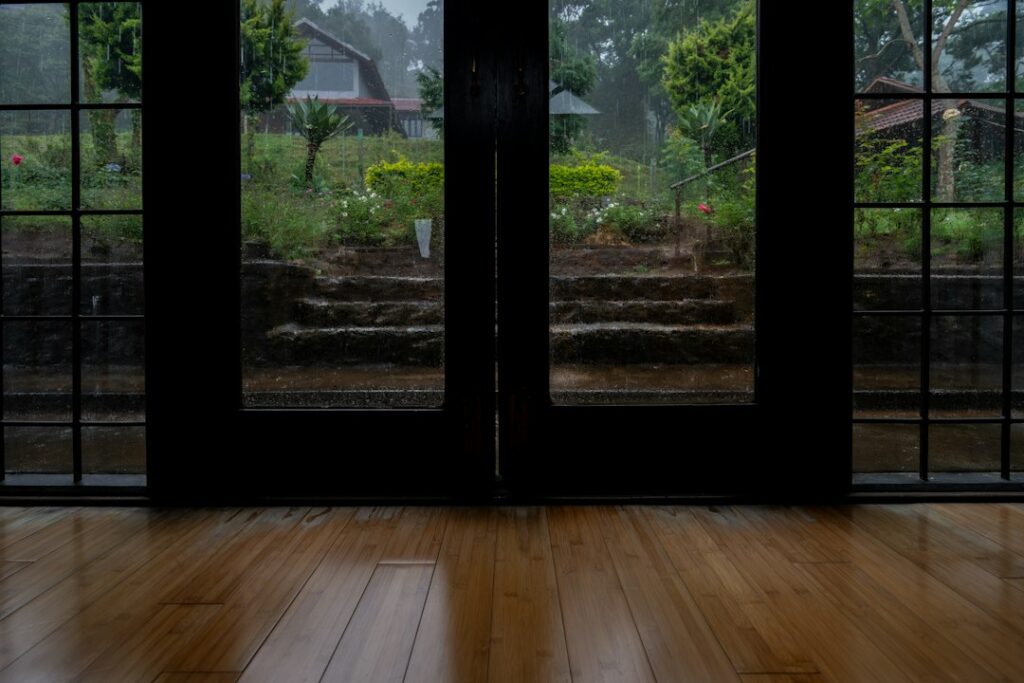
One of the most common questions homeowners ask before buying real wood floors is whether engineered hardwood waterproof products actually live up to the name, and the honest answer requires a bit of nuance. Traditional engineered hardwood, built from a real wood veneer over a plywood core, is far more moisture-stable than solid hardwood but is not truly waterproof. A newer category of waterproof engineered hardwood, built on rigid stone-plastic composite cores, has changed the game, offering genuine water resistance with the look and feel of real wood. Understanding the difference is essential so you buy the right product for kitchens, basements, and bathrooms rather than a floor that will fail. This guide sorts out the terminology, the technology, the best uses, and how to care for these floors.
Part of our Roofing guide — explore the full guide →
Water-Resistant vs. Truly Waterproof
The flooring industry uses “water-resistant” and “waterproof” carefully, and so should you. Standard engineered hardwood is water-resistant: its cross-layered plywood core resists the swelling and warping that ruin solid wood when exposed to humidity and minor spills. Wipe up a spill promptly and it is fine. But leave standing water on it, or install it below grade in a damp basement, and the wood veneer and core can still absorb moisture, swell, and delaminate.
Truly waterproof engineered hardwood is a different construction. It replaces the wood or plywood core with a rigid, waterproof composite, and the result can sit in water without the core swelling. The wood veneer on top still needs a durable finish, but the core will not fail from moisture. This distinction is everything when choosing flooring for a wet-prone room.
How Waterproof Engineered Hardwood Is Built
The waterproof versions borrow their core technology from rigid luxury vinyl. Understanding the layers helps you judge quality.
- Wear layer and finish: A protective UV-cured or aluminum-oxide finish that resists scratches and repels surface moisture.
- Real wood veneer: A genuine hardwood top layer, typically 0.5 to 2 mm thick, giving the floor authentic grain, color, and feel.
- Waterproof core: A rigid stone-plastic composite (SPC) or wood-plastic composite (WPC) core that does not absorb water or swell.
- Attached underlayment: A pad on the bottom of many planks that quiets the floor and smooths minor subfloor imperfections.
Because the wood veneer sits on a dimensionally stable waterproof core, these floors combine the authentic appearance of hardwood with the moisture performance of vinyl. Some brands market a version with a wood-composite core that is highly water-resistant but not fully waterproof, so always read the specification and warranty language carefully.
Where Waterproof Engineered Hardwood Works
The whole point of these products is to put real wood in places traditional hardwood cannot go. That opens up rooms that were previously off-limits to wood floors.
Kitchens are a natural fit, since spills, dishwasher leaks, and mopping are constant. Basements below grade, where humidity and the risk of minor water intrusion rule out solid and standard engineered wood, become viable with a waterproof core. Powder rooms and full bathrooms, mudrooms, and laundry areas all benefit from a floor that survives splashes and the occasional overflow. And because these floors are dimensionally stable, they perform well over radiant heat and in homes with big seasonal humidity swings. Essentially, a waterproof engineered hardwood lets you run one consistent wood-look floor throughout an entire level, including the wet rooms, without transitions to tile or vinyl.
Pros and Cons
Waterproof engineered hardwood has clear strengths. It offers genuine real-wood appearance and feel that laminate and vinyl only imitate, combined with waterproof performance that lets it go anywhere. The rigid core is stable, comfortable underfoot, and many products install as a floating click-lock floor that a capable DIYer can handle. It resists the warping and cupping that plague solid wood in humid conditions.
The trade-offs are worth knowing. The wood veneer, while real, is thin, so unlike solid hardwood these floors can usually be refinished only once or not at all, meaning deep scratches are harder to repair. Quality products cost more than luxury vinyl plank, and while the core is waterproof, prolonged standing water can still affect the wood veneer’s finish over time. And as with any wood, direct sunlight can fade the surface, so use blinds in bright rooms.
What It Costs
Waterproof engineered hardwood sits between standard engineered wood and premium solid hardwood on price. Material typically runs $4 to $9 per square foot, with premium brands and thicker veneers at the higher end. That is more than luxury vinyl plank, which mimics wood for $2 to $5, but you get an authentic wood surface rather than a printed image.
Installation as a floating floor keeps labor costs moderate, often $2 to $4 per square foot if you hire out, or nothing if you install it yourself. When you weigh the ability to put durable, waterproof real wood in kitchens and basements against replacing a failed standard-hardwood floor, the premium is easy to justify for wet-prone areas.
Care and Maintenance
These floors are refreshingly low-maintenance, but a few habits keep them looking their best. Sweep or vacuum regularly to remove grit that can scratch the finish, and clean with a damp, not wet, microfiber mop using a cleaner made for hardwood or the manufacturer’s recommended product. Avoid soaking the floor, harsh abrasives, and steam mops, which can damage the finish and seams over time even on waterproof cores.
Use felt pads under furniture legs, place mats at entries to catch grit, and wipe spills promptly to protect the wood veneer’s finish. Because the veneer is thin, treat these floors with the same care you would give any real wood surface at the finish level, even though the core beneath is impervious to water. Do that and a waterproof engineered hardwood floor will deliver the warmth and authenticity of real wood in rooms that once demanded tile or vinyl, giving you a single beautiful floor throughout the home.
Waterproof Engineered Hardwood vs. Luxury Vinyl Plank
The most common cross-shopping question is whether to buy waterproof engineered hardwood or the luxury vinyl plank that shares its rigid core technology. The key difference is the surface: waterproof engineered hardwood has a genuine wood veneer on top, so you get authentic grain, warmth, and the feel of real wood underfoot, while luxury vinyl plank has a printed photographic layer under a clear wear surface. The vinyl look has improved dramatically, but up close and underfoot, real wood still reads as real wood.
Vinyl wins on price and on pure water tolerance, since the entire plank is synthetic and can handle standing water indefinitely, making it the better pick for a laundry room that might flood or a rental where cost rules. Waterproof engineered hardwood wins on authenticity and resale appeal, since buyers value a real wood floor. If your priority is the genuine article and your rooms see spills rather than standing floods, waterproof engineered hardwood is worth the premium; if you want the lowest cost and maximum water tolerance, vinyl is the pragmatic choice. Just confirm the product is labeled fully waterproof, not merely water-resistant, before you install it anywhere water is a serious risk.
Prefer to explore on your own?
See how new flooring looks in your actual room in seconds — free, no signup.
Try the free Floor Studio →

