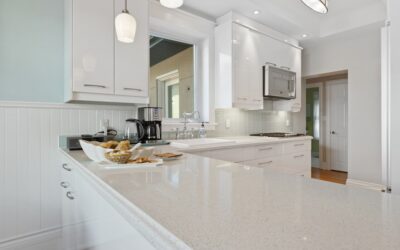
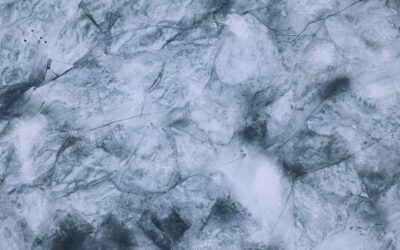
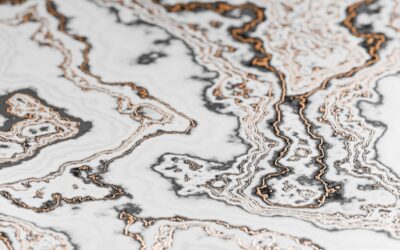
Among the thousands of natural stone options, white and blue granite stands out for its striking mix of pale backgrounds and cool blue minerals that seem to shimmer under kitchen lights. The combination is dramatic yet livable, bright enough to keep a kitchen feeling open while adding a jewel-like depth that solid colors cannot match. If you are drawn to a countertop with real personality and the durability of natural stone, this guide walks through the popular varieties, what they cost, how to care for them, and how to style them in your home.
Part of our Countertops guide — explore the full guide →
- What Gives This Granite Its Blue
- Popular White and Blue Granite Varieties
- Cost of White and Blue Granite
- Durability and Everyday Performance
- Sealing and Maintenance
- Choosing and Inspecting a Slab
- Edge Profiles and Finishes
- Styling White and Blue Granite
- Blue Labrador Granite: A Darker Take on Blue Stone
- The Bottom Line
What Gives This Granite Its Blue
The blue in these stones comes from minerals within the granite, and the effect can range from subtle flecks to bold, sweeping veins. Some blue tones come from feldspar and other minerals, while certain stones sold as blue granite are technically other rock types like anorthosite or larvikite that display an iridescent blue flash. Against a white or light gray base of quartz and feldspar, those blue elements create the signature contrast that makes the stone so eye-catching.
Because it is natural stone, every slab is unique. The pattern, intensity of blue, and background shade vary from one slab to the next, so you are choosing a one-of-a-kind piece rather than a repeatable product.
Popular White and Blue Granite Varieties
Several named stones deliver the white-and-blue look, each with a distinct character:
- Blue Bahia: Vivid, saturated blue with dramatic movement, one of the most striking and premium options.
- Azul Platino: A softer, grayer blue-and-white blend that reads more neutral and versatile.
- Blue Pearl: Technically a larvikite, prized for its iridescent blue-gray shimmer.
- Van Gogh and similar exotics: Painterly swirls of blue, white, and gray for a true statement countertop.
The bolder, rarer stones like Blue Bahia sit at the higher end of the price range, while grayer, more subtle blends are often more affordable and easier to match with cabinetry.
Cost of White and Blue Granite
Blue-toned granites tend to cost more than common white and beige stones because the blue minerals are less common. Plan your budget with these ranges:
- More common blue-gray blends: $50 to $90 per square foot installed.
- Vivid exotic blues like Blue Bahia: $90 to $200-plus per square foot installed.
- Fabrication and installation: typically $40 to $70 per square foot of that total, covering templating, cutting, edging, and setting.
A typical kitchen with 40 to 50 square feet of counter might run $2,500 to $6,000 for a mid-range stone, and considerably more for a rare exotic slab. Always view the actual slab in person, since photos rarely capture the true color and movement.
Durability and Everyday Performance
Granite is one of the hardest countertop materials, and blue varieties share that toughness. It resists scratches, stands up to heat from pots and pans, and handles the daily wear of a busy kitchen better than softer stones like marble. You can set a hot pan on it briefly without the scorching risk that laminate or solid surface would face, though a trivet is still smart practice.
Like all natural stone, granite is porous to some degree and can stain if liquids sit too long. Sealing addresses this, and denser blue granites often need less frequent sealing than more porous stones. The result is a countertop that combines dramatic looks with genuine, long-term durability.
Sealing and Maintenance
Granite needs periodic sealing to keep it stain-resistant, but the routine is simple:
- Test annually by leaving a few drops of water on the surface. If it soaks in and darkens the stone within a few minutes, it is time to reseal.
- Apply a penetrating stone sealer per the label, usually once every one to three years depending on the stone’s density and use.
- Wipe spills promptly, especially oil, wine, and acidic liquids like lemon juice.
For daily cleaning, use warm water and a pH-neutral stone cleaner or a drop of mild dish soap. Avoid vinegar, bleach, and abrasive scrubbers, which dull the polish and degrade the sealer over time.
Choosing and Inspecting a Slab
Because natural stone varies so much, buying granite is not like ordering a boxed product; you are selecting a specific slab. Whenever possible, visit the stone yard and view the full slab in person rather than a small sample, since a three-inch chip cannot show the sweeping veins and color shifts across a six-foot counter.
- See it in daylight if you can, because showroom lighting alters how the blue reads.
- Check the whole slab for cracks, fissures, and soft spots along with the movement you love.
- Reserve the exact slabs you inspected so the fabricator uses those and not a lookalike.
- Plan seam placement with the fabricator so the pattern flows naturally across joints.
Ask how many slabs your kitchen requires. Large layouts may need more than one, and matching movement across multiple slabs takes planning to keep the look cohesive.
Edge Profiles and Finishes
The edge profile and surface finish shape how the stone reads in your kitchen. A polished finish deepens the blue and brings out a glossy shine, while a honed or leather finish gives a softer, more matte look that downplays fingerprints and water spots. For edges, a simple eased or beveled profile suits modern kitchens, while an ogee or bullnose reads more traditional.
Keep in mind that busier, more dramatic stone usually looks best with a simpler edge, since an ornate profile competes with the bold veining. Discuss finish and edge options with your fabricator early, because they affect both the price and the final character of the countertop. A well-chosen edge quietly complements the stone rather than fighting it for attention.
Styling White and Blue Granite
Because the stone is such a strong feature, the rest of the kitchen should support it rather than compete. A few pairings consistently work:
- White cabinets: Keep the palette light and let the blue in the granite pop as the accent.
- Navy or blue cabinets: Echo the stone’s blue for a rich, cohesive, and on-trend look.
- Gray cabinets: Provide a neutral backdrop that flatters both the white and blue tones.
- Simple backsplash: A plain white or soft neutral tile keeps the focus on the countertop.
Warm metal accents in brass or gold contrast beautifully with the cool blue, while chrome and nickel reinforce a crisp, modern feel.
Keep in mind that some stones marketed as blue granite are technically softer or more porous than true granite, so ask your supplier about the specific material’s density and recommended sealing schedule. A denser stone shrugs off spills and needs sealing less often, while a more porous exotic may want more frequent attention to stay stain-free, especially given the light background. Knowing exactly what you are buying lets you set the right care routine from day one and avoid surprises like a coffee ring that will not lift out of an under-sealed surface.
Blue Labrador Granite: A Darker Take on Blue Stone
Blue Labrador granite is a trade name for dark gray to blue-black stone filled with feldspar crystals that flash blue when light hits them at an angle. Like other iridescent blue stones, it is usually a labradorite-bearing rock such as larvikite or anorthosite rather than true granite, and it plays a different role than a white-and-blue slab: it is the dark, shimmering contrast rather than the bright field.
How the Blue Flash Works
The blue comes from labradorescence, an optical effect inside the feldspar crystals. The color is not painted across the surface; it appears and disappears as you move around the counter or as daylight shifts. That makes the stone look subtle from one side of the room and vivid from another, so judge it by walking around a full slab rather than staring at a photo or a flat sample.
| Feature | Labrador-type blue stone | White and blue granite |
|---|---|---|
| Background | Dark gray, blue-gray or near black | White or light gray |
| Source of blue | Iridescent feldspar crystals | Blue minerals in a pale matrix |
| Best finish | Polished, to show the flash | Polished, honed or leathered |
| Shows | Water spots and dust more than crumbs | Stains more readily on light areas |
Where It Works in a White and Blue Scheme
Because the stone is dark, it shines as an island or bar top set against white cabinets and a lighter perimeter counter, which echoes the white-and-blue look without two busy slabs competing. It also suits bathroom vanities, fireplace surrounds and bar areas where under-cabinet or accent lighting can catch the flash. Brushed nickel and chrome keep it cool and modern; brass warms the dark background.
Durability, Care and Cost
- These stones are hard and heat resistant, but large feldspar crystals have natural cleavage planes, so check the slab edges and surface for small pits or fissures.
- Many dark labradorite stones are fairly dense; still run the water drop test and seal when water darkens the surface.
- Honed or leathered finishes mute the iridescence, so most owners keep this stone polished.
- Price depends on how strong and widespread the blue flash is. Slabs with intense, even flash tend toward the exotic end of the blue granite range, while muted slabs sit closer to the common blue-gray blends.
Because importers use the name loosely, ask the supplier what the rock actually is and where it was quarried before you compare quotes.
The Bottom Line
White and blue granite delivers a rare combination of drama and durability, giving your kitchen a natural stone countertop that no two homes will share. Choose a subtler blue-gray blend for versatility or a vivid exotic like Blue Bahia for a true showstopper, and always inspect the actual slab before buying. Seal it periodically, clean it gently, and pair it with a supporting palette of white, gray, or navy. The payoff is a countertop that works as hard as it looks striking, for decades to come.