Few weekend projects transform a room as dramatically as a coat of paint on a dated fireplace. A white painted fireplace takes a heavy, dark brick or stone surround and turns it into a clean, modern focal point that makes the whole space feel brighter and larger. It is a popular, budget-friendly update, but doing it well takes more than grabbing a can of wall paint. Proper prep, the right type of paint, and a clear understanding of which areas can and cannot be painted near the heat are what separate a crisp, lasting finish from a peeling mess.
Part of our Paint & Walls guide — explore the full guide →
Why Paint a Fireplace White
White instantly lightens and updates a fireplace, and it works with nearly every decor style, from farmhouse to modern to traditional. It draws attention to the mantel and architecture rather than the dated color of old brick, and it pairs beautifully with both light and dark walls. For many homeowners, painting is the lowest-cost way to make a tired fireplace look intentional and fresh without the expense of refacing it in new stone or tile.
The tradeoff worth knowing upfront is permanence. Paint soaks into porous brick and is very difficult to fully remove later, so go in confident that white is the look you want for the long term.
Step One: Thorough Cleaning
Paint will not stick to soot, dust, or grease, so cleaning is the foundation of the whole job. Brick and stone collect more grime than you think, especially near the firebox.
- Vacuum or brush away loose dust and debris from the entire surface and the mortar lines.
- Scrub the brick or stone with a stiff brush and a cleaner suited to soot and grime, working the textured surface and grout lines.
- Rinse and let the surface dry completely, which can take a day or more for porous masonry.
- Protect the surrounding floor, walls, and mantel with drop cloths and painter’s tape.
Do not rush the drying. Painting over damp masonry leads to poor adhesion and peeling down the road.
Step Two: Priming
Bare or previously unpainted brick and stone are porous and can leach stains and minerals through paint, so a quality primer is essential. Use a primer suited for masonry, often a stain-blocking or masonry primer, to seal the surface and give the paint a stable base. Priming also helps the topcoat cover evenly, which matters because raw brick drinks up paint and can otherwise require many coats.
Apply primer with a brush to work it into the mortar joints and a roller for the brick faces, or spray if you are set up for it. Let it cure fully before painting.
Step Three: Choosing the Right Paint
The paint you select depends on where it is going and how durable it needs to be.
- Masonry or latex paint: A quality interior latex or masonry paint works well for the brick or stone surround that does not get hot to the touch. It bonds to the primed surface and holds up to normal room conditions.
- Mineral or limewash finishes: For a softer, more natural look that lets some brick texture show through, limewash or mineral paint is a popular alternative that produces a matte, slightly varied white.
- Heat-resistant paint: For any metal or surfaces that actually get hot, a high-temperature, heat-resistant paint rated for the temperatures involved is required. Standard wall paint is not made for direct heat.
For the typical brick surround that stays cool, standard masonry or latex paint over good primer is the workhorse choice. Apply at least two coats for full, even white coverage.
The Heat-Safe Rules You Must Follow
This is where a fireplace differs from any other wall, and getting it right is a safety matter, not just a finish matter. The firebox, the interior chamber where the actual fire burns, gets extremely hot and should not be painted with ordinary paint. The same goes for any metal components that reach high temperatures, like a metal surround or insert face.
- Cool brick or stone surround: The outer face that stays cool to the touch can take standard masonry or latex paint over primer.
- Inside the firebox and hot metal parts: Use only high-temperature, heat-resistant paint specifically rated for those temperatures, or leave them unpainted.
- Gas and wood-burning units: Follow the manufacturer’s guidance, and never paint over vents, gaskets, glass doors, or safety labels.
If you are unsure how hot a given area gets or what your fireplace can tolerate, check the manufacturer’s instructions or consult a professional. When in doubt, do not paint the area with regular paint.
Application Tips for a Clean Finish
Work the paint into the deep mortar lines first with a brush, then roll the brick faces with a thick-nap roller made for textured surfaces. Apply thin, even coats rather than one heavy layer, and let each coat dry before the next. Two coats are usually needed over primer for solid white coverage on brick. Pull the painter’s tape while the final coat is still slightly wet for crisper edges, and let everything cure fully before lighting a fire.
Caring for a White Painted Fireplace
White shows soot and scuffs, so a little upkeep keeps it looking sharp. Wipe the painted surround gently with a damp cloth as needed, and keep flames and embers contained so soot does not stain the finish. Touch up scuffs with leftover paint when they appear. Properly primed and painted, a brick or stone surround holds its finish well for years.
Other Ways to Get a White Fireplace Surround
Paint is the quickest route to a bright fireplace, but it is not the only one. A white fireplace surround can also be built from tile, stone, plaster or millwork, and these options suit homeowners who would rather not paint original brick, or who want a finish that resists soot and chipping for decades.
Materials That Stay White
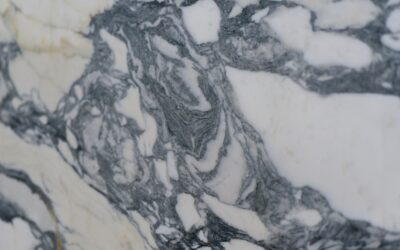
Glazed ceramic or porcelain tile is one of the easiest surrounds to keep clean, and it comes in everything from glossy subway shapes to matte handmade-look squares. Natural marble and quartzite with white or soft gray veining bring a classic, elegant look but need sealing and gentle cleaners. Light-colored cast stone and limestone mantels give a heavy, architectural frame to traditional rooms. A smooth plaster or limewash surround creates a soft, sculptural finish that suits modern and organic styles, and a painted wood mantel and pilaster set in white is a time-honored way to frame a plain firebox opening.
Picking the Right Shade of White
Whites vary more than most people expect. Cool, blue-leaning whites look crisp next to gray stone and black metal, while warm, creamy whites feel softer against wood floors and beige walls. Check samples next to the walls, floor and hearth at different times of day, since a white that looks clean at noon can read yellow under evening lamps. Matching the surround exactly to the trim gives a unified look, and a slightly warmer or cooler shade can help the fireplace stand apart as a focal point.
Hearth, Firebox and Contrast
An all-white surround can feel washed out if nothing anchors it. A dark firebox liner, a black metal screen or a slate or soapstone hearth gives the eye a place to rest and hides soot where it collects most. Wood beam mantels, brass accents or a textured tile on the hearth add warmth without breaking up the clean white frame.
Clearances, Heat and Installation
Any new surround has to respect the fireplace’s required clearances to combustible materials. Wood mantels, trim and some decorative panels must sit a minimum distance from the opening, and those distances come from the fireplace or insert manufacturer’s installation manual and local building code, not from a general rule of thumb. Tile and stone near the opening should be set on a cement backer board with heat-tolerant thinset, and any painted or finished element close to the firebox should use a heat-rated product. Leave vents, gas controls and access panels uncovered. Gas fireplaces and inserts should be disconnected and reconnected only by a licensed professional, and every home with a fuel-burning fireplace needs working carbon monoxide alarms and an annual chimney or vent inspection.
The Bottom Line
A white painted fireplace is one of the most rewarding home updates you can do in a weekend, turning a dark, dated surround into a bright, modern centerpiece for very little money. The keys to lasting results are thorough cleaning, a quality masonry primer, and the right paint for each area. Above all, respect the heat: paint the cool brick or stone surround with standard masonry or latex paint, and use only heat-resistant paint, or nothing at all, on the firebox and hot metal parts. Follow those rules, and your freshly whitened fireplace will look beautiful and stay safe for years to come.