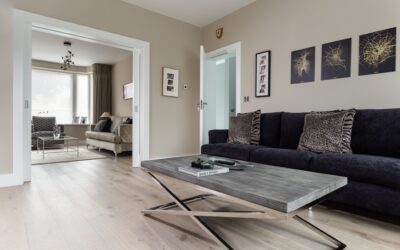
Nothing opens up a room like a pale, airy floor, and it is affordable in a way real white-washed hardwood never could be. White plank laminate flooring delivers that bright, Scandinavian-inspired look at a fraction of the cost, with a durable wear layer that resists the daily abuse hardwood cannot. But before you commit, you deserve an honest look at the tradeoffs, because a light floor shows things a dark one hides. This guide covers the style, the maintenance realities, and how to pick the right product for your rooms.
- The Appeal of White Plank Laminate
- Shades of White to Consider
- The Honest Downside: It Shows Everything
- Understanding AC Ratings
- Finish and Texture Choices
- Best Room Pairings
- Installation and Underlayment
- Cleaning and Maintaining White Laminate
- How White Laminate Compares to Alternatives
- Making the Decision
The Appeal of White Plank Laminate
Light flooring makes spaces feel larger, cleaner, and more modern. White and whitewashed laminate reflects natural light, which brightens dim rooms and small apartments dramatically. It pairs beautifully with the coastal, farmhouse, and minimalist looks that dominate current design, and it provides a neutral backdrop that lets furniture and decor stand out.
Because it is laminate, you get this style with a tough, photo-realistic wood-look surface bonded over a dense fiberboard core. Modern printing and embossing make quality white laminate look convincingly like whitewashed oak or reclaimed barn wood, complete with grain texture underfoot.
Shades of White to Consider
White laminate is not a single color. Understanding the range helps you match the mood you want:
- True white and chalk: The brightest, most dramatic option, leaning modern and clean.
- Whitewashed oak: A white glaze over visible wood grain, warmer and more forgiving than solid white.
- Gray-white and greige: Cooler tones that read sophisticated and hide dust slightly better.
- Cream and antique white: Softer, warmer whites that feel cozy rather than stark.
Whitewashed and greige tones are the most practical for real homes, since they carry enough grain and variation to disguise everyday debris.
The Honest Downside: It Shows Everything
Here is the tradeoff nobody mentions in the showroom. A light floor shows dust, hair, crumbs, and lint far more than a mid-tone or dark floor. Every speck of dark debris stands out against a pale surface, which means you will sweep and vacuum more often to keep it looking clean.
Scratches are a mixed bag. On solid white, a deep scratch that reveals the darker core beneath shows up clearly. On the other hand, light floors with heavy grain and a matte finish actually hide fine scratches better than glossy dark floors, where every scuff catches the light. The key is choosing a textured, matte white rather than a smooth, high-gloss one.
Understanding AC Ratings
Durability in laminate is measured by the AC (Abrasion Class) rating, and it matters more with a light floor you plan to keep clean and intact. The scale runs from AC1 to AC5:
- AC3: Suitable for all residential use, the practical minimum for a home.
- AC4: Handles heavy residential and light commercial traffic, a smart choice for busy households.
- AC5: Built for commercial use, more durability than most homes need but reassuring in high-traffic areas.
For a white floor in a family home, target AC4 so the wear layer resists the scratches and scuffs that would show against the light color.
Finish and Texture Choices
The surface finish shapes both looks and maintenance. Matte and low-sheen finishes are the smart pick for white laminate because they diffuse light, hide micro-scratches, and disguise dust better than glossy surfaces. Embossed or textured finishes, especially embossed-in-register that aligns the texture with the printed grain, add realism and further help mask debris and wear. A smooth high-gloss white looks striking in photos but reveals every footprint and particle in real life.
Best Room Pairings
White plank laminate shines in the right spaces:
- Living rooms and bedrooms where the bright, open feel is welcome and traffic is moderate.
- Small apartments and studios that benefit from the space-expanding effect.
- Coastal and farmhouse interiors where whitewashed tones reinforce the aesthetic.
Be more cautious in mudrooms and entryways where grit and dark debris accumulate, and remember that standard laminate is not fully waterproof, so kitchens and bathrooms call for a water-resistant or waterproof laminate specifically rated for moisture.
Installation and Underlayment
White plank laminate installs the same way as any laminate: a floating floor with click-lock edges that snap together over an underlayment, without glue or nails. This makes it one of the more DIY-friendly flooring types. The planks float over the subfloor, expanding and contracting freely with an expansion gap left around the perimeter and hidden by baseboards or quarter-round.
Underlayment matters more than people expect. A quality foam or cork underlayment cushions the floor, reduces the hollow, clicky sound laminate can make underfoot, and adds a small amount of insulation. Some white laminate planks come with an attached pad, which simplifies installation. In moisture-prone areas, add a vapor barrier over concrete subfloors to protect the fiberboard core from ground moisture.
Cleaning and Maintaining White Laminate
Because a light floor shows debris, an easy cleaning routine keeps it looking its best. Dry dust mop or vacuum with a hard-floor setting every couple of days to lift the dust and hair that stand out against the pale surface. For deeper cleaning, use a barely damp microfiber mop with a laminate-safe cleaner, and never soak the floor, since standing water can seep into the seams and swell the core.
- Skip steam mops, which force moisture into the seams and can damage laminate.
- Wipe spills promptly rather than letting them sit on the surface.
- Use felt pads under furniture to prevent the scratches that show on light floors.
- Place mats at entrances to trap the grit that dulls and scratches the wear layer.
How White Laminate Compares to Alternatives
If you love the light look but worry about the tradeoffs, it helps to weigh the alternatives. Whitewashed engineered hardwood offers real wood character and can be refinished, but it costs several times more and is less scratch-resistant on the surface. White luxury vinyl plank is fully waterproof and a better pick for bathrooms and kitchens, though some find laminate’s thicker, more textured feel more convincing underfoot. Against these options, white laminate wins on value, delivering a durable, realistic light-wood look for the lowest cost, which is exactly why it remains so popular for bedrooms, living rooms, and budget-conscious whole-home projects.
Making the Decision
White plank laminate flooring is an excellent way to brighten a home affordably, provided you go in clear-eyed about the upkeep. Choose a whitewashed or greige tone with a matte, textured finish and an AC4 rating, and you will get a floor that looks bright and current while hiding scratches and staying realistic to clean. If you love the airy look and do not mind sweeping a little more often, it is one of the best-value ways to transform the feel of any room.
Prefer to explore on your own?
See how new flooring looks in your actual room in seconds — free, no signup.
Try the free Floor Studio →