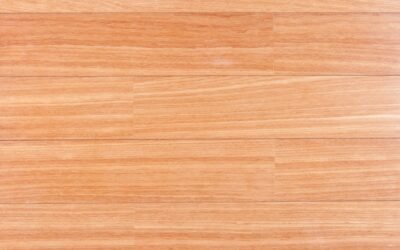
Imagine flooring that looks exactly like rich oak or weathered barnwood but shrugs off water, scratches, pet claws, and heavy foot traffic. That is the appeal of wood porcelain tile, also called wood-look tile or wood-plank tile. It uses high-definition printing and durable porcelain to capture the grain, knots, and color variation of real wood in a tile that never warps, fades, or needs refinishing. This guide covers everything you need to decide if wood porcelain tile is right for your home, from styles and costs to installation and care.
Part of our Tile & Grout guide — explore the full guide →
What Is Wood Porcelain Tile?
Wood porcelain tile is a ceramic tile fired from dense porcelain clay and printed with realistic wood imagery using inkjet technology. The best products layer multiple grain patterns so no two planks look identical, closely mimicking a real hardwood floor. Tiles are typically shaped like planks, commonly 6 x 24 inches, 8 x 48 inches, or 9 x 60 inches, to reinforce the wood illusion.
Because it is porcelain, this flooring carries all the toughness of tile. It has a water absorption rate below 0.5 percent, making it effectively waterproof, and a hardness that resists scratching and denting far better than actual wood. You get the warmth of hardwood aesthetics with the resilience of stone.
Key Advantages Over Real Hardwood
Homeowners choose wood porcelain tile for a long list of practical reasons:
- Waterproof: Safe for bathrooms, kitchens, laundry rooms, basements, and even covered patios, where real wood would swell and rot.
- Scratch and dent resistant: Handles pet nails, furniture, and high heels without gouging.
- No refinishing ever: Unlike hardwood, which needs sanding and re-coating every decade, porcelain keeps its finish for life.
- Fade resistant: Holds its color in sunny rooms that would bleach natural wood.
- Low maintenance: Sweep and damp-mop; no special wood cleaners or waxes.
- Radiant-heat compatible: Works beautifully over in-floor heating, staying warm underfoot.
Styles, Colors, and Finishes
The variety rivals real wood species. You can find wood porcelain tile that mimics:
- Classic species like oak, hickory, walnut, maple, and pine.
- Reclaimed and distressed barnwood with cracks, nail holes, and gray weathering.
- Wide-plank European looks in pale whitewashed or greige tones.
- Exotic and dark tones like espresso and rich mahogany.
Finishes range from matte and natural to a subtle texture that adds slip resistance and a more convincing feel. Textured or matte finishes are the safest choice for wet areas. Choose a color that flatters your room’s light: pale planks brighten small or dim spaces, while dark planks add drama to large, well-lit rooms.
Cost Breakdown
Wood porcelain tile sits in the middle of the flooring price spectrum, often cheaper than genuine hardwood over the life of the floor:
- Tile material: $3 to $12 per square foot, with premium designer lines up to $15.
- Professional installation: $6 to $14 per square foot, since plank tiles require careful layout and leveling.
- Total installed: roughly $9 to $25 per square foot.
A 200-square-foot room might run $1,800 to $5,000 installed. While the upfront cost can rival hardwood, you save on refinishing, water-damage repairs, and replacement over the decades, making the lifetime cost very competitive.
Installation Considerations
Wood porcelain tile is heavier and harder to cut than standard tile, so many homeowners hire a pro. If you tackle it yourself, keep these points in mind:
- Substrate must be flat. Long plank tiles telegraph any dips. Level the subfloor within about 1/8 inch over 10 feet before starting.
- Use the right offset. Do not lay planks in a running bond with a 50 percent offset; long tiles are slightly bowed in the center, which can cause lippage. A 33 percent or less offset (or a herringbone pattern) is recommended by most manufacturers.
- Choose thin grout lines. A grout width of 1/8 to 3/16 inch in a color matched to the tile makes the floor read more like continuous wood.
- Use a quality thinset rated for large-format tile, and back-butter each plank for full coverage.
- Rent a wet saw with a porcelain blade for clean cuts.
Expect a professional to install a typical room in one to two days, plus grout cure time before heavy use.
Maintenance and Care
Caring for wood porcelain tile is refreshingly simple:
- Sweep or vacuum regularly to remove grit that could dull the surface.
- Damp-mop with water or a pH-neutral tile cleaner. Avoid oil soaps and waxes meant for real wood.
- Seal the grout lines periodically (every year or two) to keep them stain-free, unless you used an epoxy or pre-sealed grout.
- Wipe spills promptly in the rare case of a stain-prone light grout.
There is no sanding, no re-coating, and no worrying about a dropped glass or a wet dog. That low upkeep is a major reason the material has surged in popularity.
Best Rooms and Design Ideas
Wood porcelain tile shines in places where real wood would struggle, which makes it one of the most versatile flooring choices available. Consider it for:
- Bathrooms: Waterproof planks give the warm look of wood without any risk of swelling or warping from splashes and steam.
- Kitchens: Spills, dropped pans, and pet bowls are no threat, and the tile wipes clean instantly.
- Basements: Because porcelain is unaffected by moisture, it handles below-grade humidity that would ruin hardwood or laminate.
- Mudrooms and laundry rooms: High-traffic, wet-prone zones where durability matters most.
- Open-concept main floors: Running the same wood-look tile through the kitchen, living, and dining areas creates a seamless, spacious feel.
Design-wise, you can lay planks in classic straight rows, a subtle brick-style offset, or a striking herringbone or chevron pattern for a high-end custom look. Mixing plank widths or choosing extra-long planks makes a room feel larger and more luxurious. For a truly continuous appearance, select a grout color that closely matches the tile and keep grout lines tight. If you want the coziness of wood underfoot, pairing the tile with radiant floor heating is a popular upgrade that eliminates the cool feel of tile in winter. Because the product resists fading, it is also ideal for sunrooms and rooms with large windows where UV would bleach natural wood over time. Whatever room you choose, the combination of authentic wood aesthetics and near-indestructible performance is hard to beat, which is exactly why designers reach for it so often in both new builds and remodels.
Frequently Asked Questions
Does wood porcelain tile feel cold and hard? Like all tile, it is firmer and cooler than wood underfoot. Area rugs help, and pairing it with radiant floor heating eliminates the cold entirely, giving you warm, wood-look floors even in winter.
Can it be used outdoors? Many wood porcelain tiles are rated for exterior use on covered patios and porches. Confirm the specific product is freeze-thaw rated and choose a textured, slip-resistant finish for outdoor areas.
Is it hard to tell from real wood? High-quality lines are remarkably convincing from a standing view. Up close you may notice the perfectly repeating texture or the grout lines, but the overall effect fools most guests.
How long does it last? Properly installed porcelain tile can last 50 years or more. It far outlives real hardwood, laminate, and vinyl in durability, which is why it is popular in high-traffic and wet areas.
Is wood porcelain tile more expensive than luxury vinyl plank? Yes, generally. Luxury vinyl plank costs less upfront and is easier to install as a floating floor, but porcelain is harder, fully waterproof, more scratch- and heat-resistant, and lasts far longer. Over the life of the floor, porcelain often wins on value, while LVP wins on budget and DIY ease.
Can I install wood porcelain tile myself? It is possible for experienced DIYers, but the long plank format is less forgiving than square tile. The subfloor must be very flat, cuts require a wet saw with a porcelain blade, and manufacturers recommend a limited offset to avoid lippage. Many homeowners hire a pro to guarantee a flat, lippage-free result.
Wood porcelain tile delivers the cozy, natural look people love about hardwood without any of the vulnerabilities to water, scratches, and wear. If you want a floor that looks like wood but performs like tile, in a kitchen, bath, basement, or throughout the house, it is one of the smartest flooring investments you can make.
Prefer to explore on your own?
See how new flooring looks in your actual room in seconds — free, no signup.
Try the free Floor Studio →