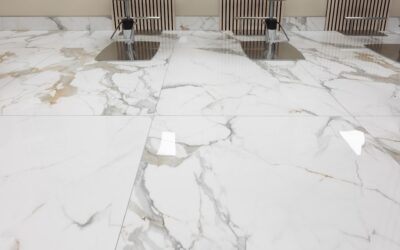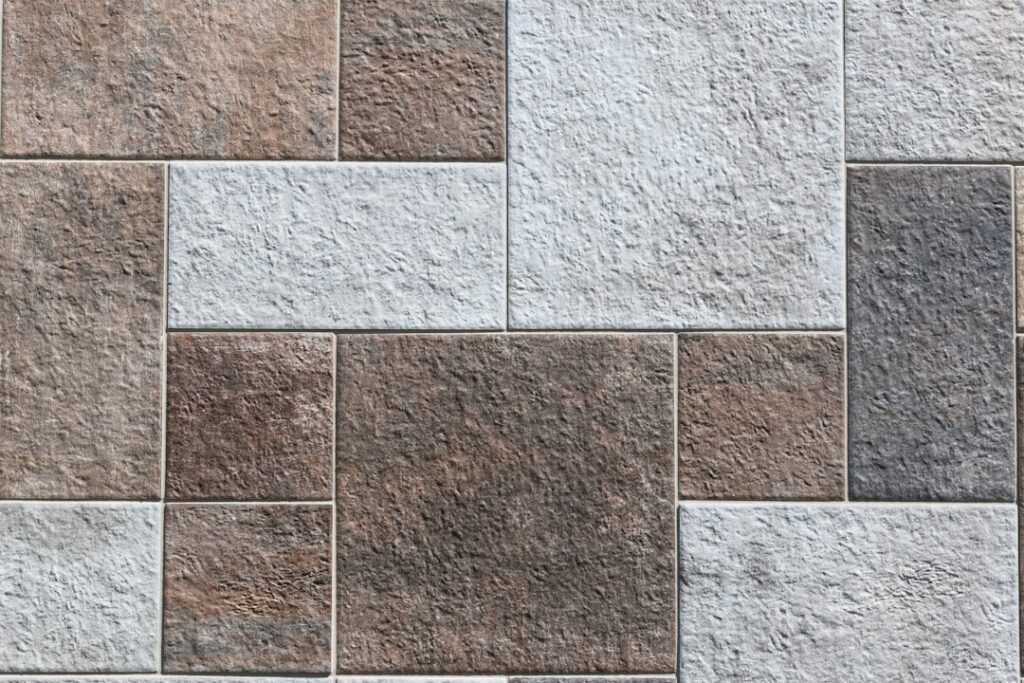
Stone look porcelain tile gives you the rich appearance of marble, travertine, slate, or limestone without the demanding upkeep that real stone requires. Thanks to high-definition inkjet printing, today’s porcelain can mimic the veining of Carrara marble or the cleft texture of slate so convincingly that most guests will never know the difference until you tell them.
Part of our Tile & Grout guide — explore the full guide →
For homeowners who love the look of natural stone but worry about sealing, staining, and cost, this category has become one of the most popular flooring and wall choices on the market. Here is what you need to know before you buy.
What Makes It Different From Real Stone
Porcelain is a dense, fired clay tile made from refined materials and pressed under high pressure, then fired at temperatures around 2,200 to 2,500 degrees Fahrenheit. That process creates a tile with very low water absorption, typically under 0.5 percent, which is why porcelain handles bathrooms, kitchens, and even outdoor patios so well.
Natural stone, by contrast, is quarried rock. It is porous, varies in hardness, and almost always needs periodic sealing to resist stains and moisture. Stone look porcelain delivers the visual character of stone, the veins, the movement, the matte or honed finish, while behaving like the tough, predictable material porcelain is. You get the style of stone with far less babysitting.
The Main Advantages
- Low maintenance: No sealing required. A damp mop and a pH-neutral cleaner keep it looking sharp.
- Stain and water resistance: Wine, coffee, and oil wipe up instead of soaking in the way they can on porous marble.
- Durability: Hard-wearing and scratch resistant, suitable for high-traffic entryways and busy kitchens.
- Consistency: You can preview the pattern before buying, and the color holds up against UV fading better than some natural stone.
- Cost control: Often cheaper than the genuine stone it imitates, especially for premium marbles.
There is also a practical comfort benefit. Real marble can feel cold and unforgiving, and it chips at edges. Porcelain pairs beautifully with radiant floor heating and shrugs off the dropped pan that would crack a stone slab.
The Trade-Offs to Consider
No material is perfect. Porcelain is hard, which makes it durable but also unforgiving on dropped glassware and slightly tiring underfoot during long stretches of standing. It is heavier and harder to cut than ceramic, so installation often calls for a professional with a quality wet saw and diamond blades.
Repairs are another consideration. If a stone look porcelain tile cracks, you replace the whole tile rather than refinishing it. And while the printing is excellent, very budget lines can show repeating patterns across the floor. Buying a line with eight or more face variations keeps the look natural and avoids that printed sameness.
Popular Stone Looks and Where to Use Them
Manufacturers reproduce nearly every natural stone you can name, and each has its sweet spot.
- Marble look: Soft gray or gold veining on a white field. Ideal for bathrooms, foyers, and kitchen floors that want an elegant, bright feel.
- Travertine look: Warm beige tones with subtle pitting. Great for Mediterranean-style spaces and outdoor-adjacent rooms.
- Slate look: Dark, textured, multi-tonal grays and charcoals. Excellent for mudrooms, entryways, and showers where slip resistance matters.
- Limestone look: Soft, even, sandy neutrals for a calm, modern backdrop.
For wet areas, choose a tile with a textured or matte finish and check the slip-resistance rating. A high-gloss marble-look floor can be slick when wet, so save the polished versions for walls and low-traffic rooms.
Cost and What Drives the Price
Expect to pay roughly $3 to $10 per square foot for the tile itself, with designer and large-format lines reaching $12 to $15 or more. Installation typically adds $5 to $12 per square foot depending on your region, the layout complexity, and whether you need floor prep. Large-format planks and intricate patterns like herringbone push labor toward the higher end because they take more time and skill to set flat.
Budget for extras: thinset, grout, edge trim, spacers, and a 10 to 15 percent overage for cuts and future repairs. Even with installation, a marble-look porcelain floor usually lands well below the cost of a genuine marble installation once you factor in sealing and long-term care.
Choosing the Right Tile
Start by ordering samples and viewing them in your own lighting at different times of day. Printed veining can look very different under warm evening light versus midday sun. Lay several pieces together to judge how the pattern repeats and whether the variation feels organic.
Pay attention to a few specs. Check the PEI rating for floor use; PEI 3 suits most residential floors and PEI 4 or 5 handles heavy traffic. Look at the finish, matte or honed for floors, polished for accent walls. For larger rooms, consider rectified tiles, which have precisely cut edges that allow tight grout lines and a more seamless, slab-like appearance. Finally, confirm the tile is rated for your application, since not every line is approved for outdoor or commercial use.
Installation and Maintenance Tips
Because porcelain is dense and large formats are heavy, a flat substrate is critical. Floors should be checked for level and any dips filled, since large tiles will rock or lippage will appear over high spots. Most installers use a leveling clip system with large-format tile to keep edges flush. Unless you are experienced with a wet saw, hiring a licensed tile installer is money well spent here.
Maintenance is refreshingly simple. Sweep or vacuum grit that can dull the surface, then damp mop with a neutral cleaner. Skip waxes and harsh acids. The grout, not the tile, is the part that needs attention, so use a stain-resistant grout or seal cement grout to keep the lines clean. Follow the manufacturer’s care guidance, and your stone look porcelain tile should hold its beauty for decades with a fraction of the effort real stone demands.
The Bottom Line
If you want the timeless character of marble or slate but live a real life with kids, pets, and spilled coffee, stone look porcelain tile is one of the smartest choices available. It blends authentic style with hard-working durability, lands at a friendlier price than natural stone, and frees you from the sealing routine. Choose a high-variation line, match the finish to the room, and invest in a careful installation, and you will enjoy the result for many years.
Prefer to explore on your own?
See how new flooring looks in your actual room in seconds — free, no signup.
Try the free Floor Studio →