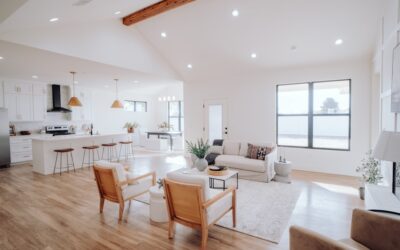
Few floor patterns stop people in their tracks the way a sharp V-shaped layout does. Zigzag flooring, the look most designers call chevron, runs planks at matching angles so they meet in a continuous point down the room, creating crisp arrows that draw the eye and add motion to an otherwise flat surface. It is the pattern you see in high-end Parisian apartments and boutique hotels, and it has surged back into mainstream homes thanks to affordable laminate and vinyl versions.
This guide breaks down how the zigzag look is made, how it differs from its close cousin herringbone, what it costs, and whether the dramatic payoff is worth the extra installation effort.
- What Makes a Zigzag Pattern
- Zigzag vs Herringbone: Know the Difference
- Best Materials for a Zigzag Floor
- What Zigzag Flooring Costs
- Pros of the Zigzag Look
- Cons to Weigh First
- Installation Tips for a Clean Result
- Rooms Where the Pattern Shines
- Color and Plank Width Choices
- Is Zigzag Flooring Worth It?
What Makes a Zigzag Pattern
The defining feature is the angled cut. In a true chevron, each plank end is cut at a 45-degree (sometimes 30- or 60-degree) angle so that two rows mirror each other and meet in an unbroken zigzag line. Because the points align perfectly, the pattern reads as a series of clean arrows pointing in one direction.
That precision is what separates it from a random or straight plank layout. The continuous peaks and valleys create a strong sense of direction, which you can use to lengthen a hallway, widen a room, or guide the eye toward a focal point like a fireplace or a view.
Zigzag vs Herringbone: Know the Difference
Shoppers constantly mix these two up, and the distinction changes both the look and the install cost. Here is the simple version:
- Chevron (zigzag): Plank ends are cut at an angle, and the rows meet point-to-point in a continuous V. The seam runs straight up the middle, giving a sleek, modern arrow.
- Herringbone: Planks are cut with square ends and laid so the end of one meets the side of the next, creating a broken, staggered zigzag with a more traditional, woven feel.
Chevron looks tailored and contemporary; herringbone looks classic and textured. Chevron usually costs a little more to install because of the precise angle cuts, while herringbone uses standard rectangular pieces. Both deliver visual energy, so the choice comes down to the mood you want.
Best Materials for a Zigzag Floor
You can get the look in nearly any plank material, and the price gap between options is large. Your realistic choices include:
- Solid and engineered hardwood: The premium route, with rich grain and decades of life. Engineered chevron is more stable over concrete and radiant heat.
- Luxury vinyl plank (LVP): Waterproof, budget-friendly, and now sold in pre-angled chevron pieces that snap together. Ideal for kitchens and basements.
- Laminate: The cheapest way to fake the look, with sharp printed wood visuals and click-lock ends.
- Porcelain tile: Wood-look chevron tile gives you the pattern with full waterproofing for bathrooms and entryways.
If this is your first attempt at the pattern, pre-cut chevron planks save enormous time. Buying square-ended planks and mitering every end yourself is possible but slow and unforgiving.
What Zigzag Flooring Costs
Expect to pay a premium over a standard straight layout, mostly in labor. Material prices track the type you choose: laminate from roughly $2 to $4 per square foot, LVP from about $3 to $7, and engineered hardwood from $6 to $12 or more. Installation for a chevron pattern typically runs $2 to $5 per square foot above standard rates because of the layout work and angle cutting.
Plan for 10 to 15 percent waste instead of the usual 5 to 10 percent, since the angled cuts produce more offcuts. For a 200-square-foot room in mid-grade LVP, a professional chevron install often lands between $1,800 and $3,000 all in.
Pros of the Zigzag Look
- High visual impact: Instantly upgrades a plain room and reads as custom, designer work.
- Directional control: The arrows can make a space feel longer, wider, or more dynamic.
- Timeless appeal: Chevron has been used for centuries and rarely looks dated.
- Material flexibility: Available from cheap laminate to luxury hardwood, so it fits most budgets.
Cons to Weigh First
- Higher install cost and time: The precision required adds labor dollars and hours.
- More waste: Angled cuts mean you buy and discard more material.
- Layout sensitivity: A poorly centered pattern looks off in an irregular room, so the starting line must be planned carefully.
- Busy in small doses done wrong: In a tiny, cluttered room the pattern can feel overwhelming rather than elegant.
Installation Tips for a Clean Result
The single most important step is finding the room’s true center and snapping a precise layout line, because every plank references that spine. Dry-lay several rows before fastening or clicking anything to confirm the points align and the angle reads straight to the eye.
Work outward from the center line in both directions to keep the pattern symmetrical, and save border and transition cuts for last. If you are using click-lock LVP or laminate, buy the manufacturer’s matching left and right chevron pieces rather than trying to flip a single shape, which often breaks the locking geometry. For tile, use leveling clips to keep the points flush, since lippage stands out badly on a chevron floor.
Rooms Where the Pattern Shines
Some spaces reward a zigzag layout more than others. Entryways and foyers make a strong first impression with arrows guiding visitors inward. Living rooms and open-plan great rooms have the floor area to let the pattern breathe without feeling cramped. Long hallways benefit from running the points lengthwise, which visually stretches the corridor and turns a dull passage into a feature.
Smaller rooms can work too, but scale matters. In a compact powder room or galley kitchen, choose narrower planks and a tighter angle so the pattern reads as detailed rather than chaotic. Bedrooms can carry the look beautifully when paired with simple furnishings, since the floor itself becomes the focal point and competing patterns on walls or bedding only muddy the effect.
Color and Plank Width Choices
The drama of a zigzag floor scales with contrast. A two-tone or high-contrast wood gives the sharpest, boldest arrows, ideal if you want the floor to dominate the room. A subtle, single-tone plank produces a softer, more sophisticated chevron that adds texture without shouting. For a timeless result, mid-tone oak in a matte finish is hard to beat.
Plank width also changes the feel. Wider planks create a grander, more modern statement and cover ground faster, while narrower planks deliver a finer, more traditional Parisian look with more visible points. Sample a few combinations in your actual lighting before committing, since the angled layout reflects light differently than a straight floor and can read lighter or darker than you expect.
Is Zigzag Flooring Worth It?
If you want a floor that becomes the design statement of the room and you are comfortable spending more on labor and material, the chevron zigzag delivers a payoff few patterns can match. For a budget-friendly version, use pre-angled LVP or laminate and hire an installer experienced with the layout. For high-traffic, wet areas, choose waterproof LVP or porcelain. Whatever the material, plan the center line carefully, and the finished arrows will look intentional, tailored, and genuinely impressive for years.
Prefer to explore on your own?
See how new flooring looks in your actual room in seconds — free, no signup.
Try the free Floor Studio →