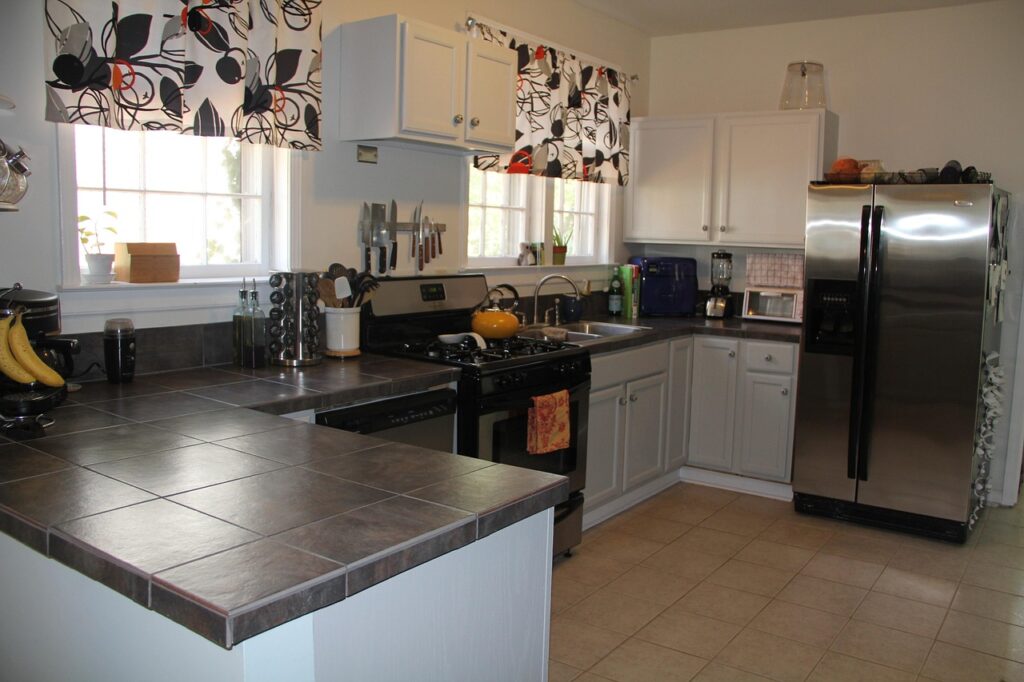
For decades the 12-by-12-inch square was the default tile size in American homes, and it still has a place for good reason. 12×12 tile flooring is easy to install, widely available, affordable, and works in nearly any room, from kitchens and bathrooms to entryways and laundry rooms. While larger-format tiles have taken over many modern designs, the classic 12×12 square remains a practical, budget-friendly workhorse. This guide covers the materials, layout patterns, grout choices, costs, and installation know-how you need to use it well.
Part of our Tile & Grout guide — explore the full guide →
Why 12×12 Remains Popular
The 12-inch square hits a sweet spot. It is large enough to cover ground quickly but small enough to be easy to handle, cut, and lay out, which makes it forgiving for DIYers. Calculating quantities is simple too, since one tile equals exactly one square foot. It is also one of the most stocked sizes at home improvement stores, so finding a match or a replacement years later is rarely a problem. For a practical, no-fuss floor, it is hard to beat.
Material Options in This Size
The 12×12 format comes in every common flooring tile material, each with its own strengths:
- Ceramic — the most affordable, fine for low- to medium-traffic rooms.
- Porcelain — denser, harder, and more water-resistant, ideal for floors and wet areas.
- Natural stone — travertine, slate, and marble for a high-end look, with sealing required.
- Vinyl composite tile — a softer, budget alternative that mimics ceramic.
For a floor, porcelain is usually the smartest choice because it resists wear and moisture far better than standard ceramic, while costing only a little more.
Layout Patterns That Work
Even a plain square tile looks dramatically different depending on how you lay it. Consider these options:
- Straight grid — tiles aligned in clean rows; simple, modern, and the easiest to install.
- Diagonal — tiles turned 45 degrees, which makes a small room feel larger.
- Brick or offset — each row shifted by half a tile for a relaxed, traditional look.
- Pinwheel — mixing 12×12 with a smaller accent tile for visual interest.
Diagonal and offset patterns create more cut tiles and a bit more waste, so order extra and plan the layout before you start setting.
Choosing the Right Grout
Grout has an outsized effect on how a 12×12 floor looks and performs. A grout color close to the tile creates a seamless, calm surface, while a contrasting color emphasizes the grid and makes the pattern a feature. For floors, use a sanded grout in joints wider than 1/8 inch, and strongly consider an epoxy or a quality sealed grout in kitchens and bathrooms to resist stains and moisture. Keep grout joints consistent, typically 1/8 to 3/16 inch for this size, using spacers so the lines stay straight.
Pros of 12×12 Tile
The classic square brings several practical advantages:
- Affordable, often among the lowest-cost tile options.
- Easy to install and DIY-friendly, with simple square-foot math.
- Widely available in countless colors and finishes.
- Versatile, suiting traditional and transitional spaces.
- Durable and waterproof in porcelain and sealed stone.
Cons and Tradeoffs
There are reasons designers often reach for larger formats today. A 12×12 floor has more grout lines than a large-format tile, which means more cleaning and a busier look in a big room. The size can read as dated in very contemporary spaces where 12×24 and larger planks dominate. And in oversized rooms, the small square can make the floor feel cluttered. For smaller rooms, budget projects, and traditional styles, though, none of these is a dealbreaker.
Cost Expectations
Pricing shifts over time and by region, so confirm current numbers with suppliers. As a planning guide, basic 12×12 ceramic often starts around $1 to $3 per square foot for material, porcelain a bit higher, and natural stone considerably more. Installation typically adds $4 to $10 or more per square foot depending on labor rates and pattern complexity; diagonal and offset layouts cost more because of extra cutting. Budget 10 to 15 percent extra material for cuts and breakage, and gather multiple installer quotes.
Installation Notes
A lasting tile floor depends on the substrate. Over a wood subfloor, install cement backer board or an uncoupling membrane to prevent cracking, and make sure the surface is flat and solid. Dry-lay a row before mixing thinset to confirm your layout and starting point, then back-butter tiles as needed for full coverage. Use the right notched trowel for a 12×12 tile, maintain consistent spacers, and let the thinset cure before grouting. Seal natural stone before grouting, and seal grout afterward in wet areas.
12×12 vs. Larger Format Tiles
It helps to know where the classic square stands against the large-format tiles dominating new construction. Each has clear strengths:
- 12×12 tile: cheaper, easier to handle and cut, simple to calculate, and better suited to small or traditional rooms; it does show more grout lines.
- Large-format (12×24 and up): fewer grout lines and a sleek modern look, but heavier, harder to cut, and more demanding of a perfectly flat substrate.
For a small bathroom, a budget kitchen, or a traditional-style home, the 12×12 is often the more practical and economical pick. For a large, contemporary open space, a bigger format may suit the design better. There is no single right answer, only the right fit for the room and the budget.
Maintenance and Longevity
One of the strongest arguments for tile is how little it asks of you over decades. Sweep or vacuum regularly to keep grit from dulling the surface, and damp-mop with a pH-neutral cleaner; avoid harsh acidic products on natural stone. The grout, not the tile, is the part that needs attention, so reseal grout periodically in kitchens and bathrooms to prevent staining and moisture intrusion. Porcelain and glazed ceramic essentially never need sealing, while natural stone does. Treated this way, a 12×12 tile floor easily lasts 20 to 50 years, often outliving several rounds of other finishes in the same home.
The Bottom Line
12×12 tile flooring is a proven, versatile, and budget-friendly choice that still earns its place in kitchens, baths, entries, and traditional rooms. Choose porcelain for durability and moisture resistance, pick a layout and grout color that suit the room, and prepare the substrate properly for a floor that lasts. While larger formats dominate modern design, the classic square remains one of the easiest and most economical tiles to install and live with. Confirm current pricing, order extra for waste, and you will have a dependable floor for decades.
Prefer to explore on your own?
See how new flooring looks in your actual room in seconds — free, no signup.
Try the free Floor Studio →