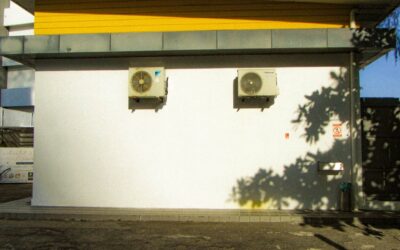
A 30000 BTU mini split delivers ductless heating and cooling for large rooms, open floor plans, and multi-room spaces where smaller units fall short. Rated at 2.5 tons of capacity, it balances power and efficiency. This guide covers proper sizing, SEER ratings, voltage, installation, costs, and maintenance.
- What 30000 BTU Means
- Room Sizing Guidelines
- Single-Zone vs. Multi-Zone Configurations
- Understanding SEER2 Ratings
- Voltage and Electrical Requirements
- Inverter Technology Benefits
- Heating Performance in Cold Weather
- Refrigerant and EPA Rules
- Installation Overview
- Cost Expectations
- Maintenance Requirements
- Line-Set Length and Placement
- Noise and Comfort in Large Spaces
- Ceiling Cassette and Floor-Mount Options
- Warranty and Professional Support
- Common Mistakes to Avoid
- Frequently Asked Questions
- Final Thoughts
What 30000 BTU Means
BTU (British Thermal Units) measure heating and cooling capacity per hour. A 30,000 BTU unit equals 2.5 tons, since one ton equals 12,000 BTU. That capacity places it among the larger single-zone and multi-zone mini splits, suitable for spaces that a 12,000 or 18,000 BTU unit cannot adequately condition. It is a common choice for great rooms and small homes.
Room Sizing Guidelines
A rough rule is 20 BTU per square foot, so a 30,000 BTU unit suits roughly 1,200 to 1,500 square feet under average conditions. Adjust for ceiling height, insulation quality, sun exposure, and climate. Poorly insulated, sunny, or high-ceiling spaces need more capacity per square foot, while tight, shaded rooms need less. Proper sizing prevents short cycling and poor humidity control.
Single-Zone vs. Multi-Zone Configurations
A 30,000 BTU system can be a single-zone unit with one large indoor head for an open space, or a multi-zone system splitting the capacity among two to four indoor heads for separate rooms. Single-zone maximizes output to one area, while multi-zone offers independent room control at a higher price. Choose based on whether you are conditioning one big space or several rooms.
Understanding SEER2 Ratings
SEER2 (Seasonal Energy Efficiency Ratio) rates cooling efficiency; higher numbers mean lower operating costs. Quality 30,000 BTU inverter mini splits reach SEER2 ratings from 18 to 22 or higher, far outperforming older central systems near 13 to 14. Heating efficiency is rated by HSPF2. A higher SEER unit costs more upfront but delivers meaningful savings over its 15 to 20-year lifespan.
Voltage and Electrical Requirements
Most 30,000 BTU mini splits require 230/240-volt power rather than standard 120 volts, because of their higher capacity. You will typically need a dedicated circuit with an appropriately sized breaker, often 15 to 20 amps, and a disconnect box near the outdoor unit. Confirm your electrical panel can support the load, and have a licensed electrician install the dedicated circuit.
Inverter Technology Benefits
Modern 30,000 BTU units use inverter compressors that vary speed to match demand instead of cycling fully on and off. This eliminates temperature swings, reduces noise, and boosts efficiency by running slow to maintain temperature and ramping up only when needed. Inverter operation is especially valuable in a large unit, where constant full-power cycling would waste significant energy.
Heating Performance in Cold Weather
As heat pumps, these units heat as well as cool. Many 30,000 BTU models include cold-climate features and low-ambient kits that maintain useful heat output well below freezing, some rated to operate near minus 5°F or lower. Check the low-temperature heating capacity if you rely on it for winter heat, since output naturally declines as outdoor temperatures fall.
Refrigerant and EPA Rules
These systems use R-410A or the newer R-32 refrigerant. Charging and connecting refrigerant lines beyond pre-charged DIY kits legally requires EPA Section 608 certification, and venting refrigerant to the atmosphere is illegal. Some 30,000 BTU units ship as DIY kits with pre-charged quick-connect lines, but most larger systems are best installed by a certified HVAC technician.
Installation Overview
Installation involves mounting the indoor head or heads, drilling a roughly 3-inch pass-through, running refrigerant lines, a condensate drain, and control wiring, setting the outdoor condenser on a pad or wall brackets, wiring the 240-volt circuit, and vacuuming and charging the system. Proper drain slope and a level indoor unit prevent condensate leaks, and correct line-set length preserves efficiency.
Cost Expectations
A 30,000 BTU mini split unit typically costs $1,500 to $3,500 for equipment, depending on brand, SEER, and single versus multi-zone configuration. Professional installation adds $1,500 to $4,000 including the electrical circuit. DIY pre-charged kits save labor but suit only capable homeowners. Over time, high efficiency offsets the upfront cost through lower energy bills.
Maintenance Requirements
Clean or replace the washable indoor filters every few weeks during heavy use, keep the outdoor coil clear of leaves and debris, and ensure the condensate drain flows freely. Annually, have a technician verify refrigerant charge and inspect electrical connections. Because a larger unit moves more air, filter maintenance is especially important for preserving efficiency and air quality.
Line-Set Length and Placement
The refrigerant line set connecting the indoor and outdoor units has a maximum length, commonly around 25 to 50 feet depending on the model, and every foot beyond the pre-charged amount may require adding refrigerant. Keep the run as short and direct as practical to preserve efficiency, and mind the vertical height difference between units, which also has limits. Excess line coiled improperly or runs that exceed the rated distance reduce capacity and can strain the compressor.
Noise and Comfort in Large Spaces
A 30,000 BTU indoor head moves a lot of air, yet quality inverter units keep noise moderate, often around 30 to 50 decibels depending on fan speed. In a large open space, aim the louvers to circulate air across the whole room rather than blasting one seating area. Because the inverter modulates output, the unit spends most of its time running quietly at low speed once the room reaches temperature, maintaining even comfort without loud cycling.
Ceiling Cassette and Floor-Mount Options
While wall-mounted heads are most common, 30,000 BTU capacity is also available in ceiling cassette, floor-mounted, and ducted concealed styles. Ceiling cassettes distribute air in four directions and suit open commercial or great-room layouts. Floor-mount units work well under large windows or in rooms where wall space is limited. Choosing the right indoor unit style improves both airflow distribution and aesthetics in a large space that a single wall head might not cover evenly.
Warranty and Professional Support
Larger mini splits represent a significant investment, so warranty terms matter. Many quality brands offer 5 to 10 years on the compressor and several years on parts, often contingent on professional installation and registration. Keep documentation, register the unit, and use a qualified installer to preserve coverage. A properly commissioned system with correct refrigerant charge not only performs to its SEER rating but also lasts longer and qualifies for the full warranty protection.
Common Mistakes to Avoid
Do not oversize by choosing 30,000 BTU for a room that needs only 18,000, which causes short cycling and humidity problems. Avoid wiring it to an inadequate circuit, skipping the load calculation, or neglecting filter cleaning. Never attempt refrigerant work without certification unless using a pre-charged kit, and do not mount the outdoor unit where poor drainage or debris cause trouble.
Frequently Asked Questions
How many square feet does a 30,000 BTU mini split cool?
Roughly 1,200 to 1,500 square feet under average conditions, adjusted for insulation, ceiling height, and sun exposure.
Does it need 220 volts?
Yes, most 30,000 BTU units require a 230/240-volt dedicated circuit rather than standard 120 volts.
Can it heat in winter?
Yes, it is a heat pump, and cold-climate models maintain output well below freezing, some down near minus 5°F.
Single-zone or multi-zone?
Single-zone maximizes output to one large open space, while multi-zone splits capacity among several rooms for independent control.
Can I install it myself?
Only pre-charged DIY kits allow self-install; most larger systems need a certified technician to vacuum and charge the lines.
What SEER should I look for?
Quality inverter units reach SEER2 ratings of 18 to 22 or higher for low operating costs.
Final Thoughts
A 30000 BTU mini split is the right choice for large open spaces or multi-room coverage where smaller units cannot keep up. Size it accurately for your square footage and climate, choose a high SEER2 inverter model, provide the correct 240-volt circuit, and keep filters and coils clean. Installed and maintained properly, it delivers efficient, quiet comfort across big spaces for years.