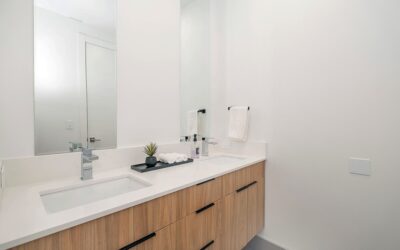
A 48-inch vanity hits the sweet spot for many bathrooms — wide enough for real counter space and storage, but not so big it crowds the room. The challenge is finding one that looks good and lasts without blowing your budget. Landing a quality 48 inch bathroom vanity with top under $500 is absolutely doable in today’s market, but it takes knowing where to shop, which materials to trust, and how to spot the difference between a genuine value and a flimsy unit that will swell the first time water splashes. This guide shows you how to buy smart in that price range.
Part of our Bathroom Remodeling & Flooring guide — explore the full guide →
What You Get at This Size and Price
Forty-eight inches is a popular width because it fits a wide range of bathrooms and comes in both single- and double-sink configurations. Under $500, you can realistically expect a pre-assembled or ready-to-assemble cabinet with an included top and sink, in a decent finish, from a mainstream retailer. You are shopping the value tier, so the cabinet box will usually be MDF or plywood rather than solid hardwood, and the top will be cultured marble, ceramic, or occasionally a prefab stone. That is a perfectly good combination for a normal bathroom when you choose carefully.
Single Sink vs. Double Sink
A 48-inch vanity can go either way, and the choice shapes both function and how the budget is spent.
- Single sink: One centered or offset basin with more usable counter space and larger drawers/cabinet room. Best for a primary bathroom used by one or two people who value counter space and storage.
- Double sink: Two smaller basins for a shared bathroom, ideal when two people get ready at once. The trade-off is much less counter space and smaller storage, and at 48 inches the two sinks sit close together.
At 48 inches, many designers actually recommend a single sink because a double leaves cramped counters. Choose a double only if simultaneous use genuinely matters to your household. Under $500, single-sink models also tend to offer better build quality for the money since the budget is not split across two basins.
Materials to Look For
Since the cabinet box is where budget vanities cut corners, know what you are buying:
- Plywood box: The best you will find in this price range. Resists water swelling far better than particleboard. Grab it if available.
- MDF box: Very common under $500. Stable and paints well, but must be sealed — it swells if water sits on a bare edge. Fine with normal care.
- Particleboard: The cheapest and least water-resistant. Acceptable for a low-use or guest bath, but keep it dry.
For the top, cultured marble (a molded resin top with integrated sink) is the most common inclusion and is durable and easy to clean. If you can find a model with a ceramic or prefab quartz top under $500, that is a bonus in durability and looks. Check that the top comes with pre-drilled faucet holes matching your faucet’s configuration.
Where to Find One Under $500
Price for a comparable 48-inch vanity varies a lot by retailer, so shop around:
- Home center in-stock models: Big-box stores regularly stock 48-inch vanity-and-top combos in the $300–$500 range, and in-stock means no shipping wait.
- Online retailers: Direct-ship sites often list lower base prices; just factor in freight for a heavy item, which can add $50–$150.
- Open-box and floor models: Display units and returns sell at steep discounts — a small cosmetic flaw is often hidden against a wall.
- Seasonal sales: Holiday home-improvement sales frequently drop vanities 20–40%, bringing pricier models into budget.
Set a price alert and be patient; the same vanity that is $560 one week may hit $449 during a sale.
Measuring and Fit
Before you buy, confirm a 48-inch vanity actually fits — width is only part of the story.
- Measure the wall width and leave clearance so the door and drawers do not hit adjacent walls, the toilet, or a swinging door.
- Check depth — standard is about 21 inches; a shallow-depth model (around 18 inches) helps in tighter rooms.
- Note the height. Standard is 32 inches; 36-inch “comfort height” is easier on the back for adults.
- Locate your plumbing rough-in so the drain and supply lines align with the new vanity, or plan flexible connectors.
Also verify the doorway and hallway can accommodate getting the assembled unit into the bathroom — a 48-inch cabinet is bulky.
Upgrades That Stretch the Budget
The trick to making a sub-$500 vanity look more expensive is a few cheap upgrades after purchase:
- Swap the hardware. New matte-black or brushed-brass pulls for a few dollars each instantly upgrade a plain cabinet.
- Add a nicer faucet. Many budget vanities do not include a faucet; a stylish one elevates the whole look and is worth the small spend.
- Upgrade the mirror and light. A framed mirror and modern vanity light do more for the room’s feel than the cabinet itself.
- Seal exposed edges. A bead of clear caulk where the top meets the wall and sealer on any bare MDF edge dramatically extends the vanity’s life.
These add-ons keep the whole project affordable while removing the tell-tale signs of a budget unit.
Styles That Suit a 48-Inch Vanity
Even on a budget, a 48-inch vanity comes in enough styles to match most bathrooms, and the look you choose affects both feel and function.
- Shaker: Clean recessed-panel doors that suit farmhouse, transitional, and traditional bathrooms. The most versatile and widely available budget style.
- Flat-panel/modern: Slab doors with minimal detailing for a contemporary look; easy to clean and often paired with matte-black hardware.
- Furniture-style: Legs and decorative details that mimic a freestanding piece for a classic, upscale feel.
- Floating: Wall-mounted for a modern, open look that shows more floor and makes the room feel bigger.
Color matters too. White and gray are the safest, most timeless choices and pair with almost any wall color and tile. A navy or deep-green vanity adds personality but can date faster and limits resale appeal, so weigh how long you plan to keep it. A neutral cabinet with bold hardware and accessories gives you personality without committing the big piece to a trend.
Avoiding Common Budget-Vanity Mistakes
A few predictable errors turn a good deal into a regret. The most expensive is buying the wrong size or configuration and having to return a heavy, boxed unit — always measure twice and confirm single versus double sink before ordering. Another is ignoring the cabinet material and ending up with bare particleboard that swells at the first spill; check the box construction and seal any exposed edges. Skipping a check of the plumbing rough-in location can mean the drain does not line up, forcing extra work. And forgetting that many budget vanities do not include a faucet leaves you short a part on install day. Finally, resist over-tightening the water connections during install, which cracks fittings — snug is enough. Sidestep these, and a sub-$500 vanity installs cleanly and serves for years.
Installation on a Budget
Installing it yourself saves $150–$400 in labor. The basic steps: shut off the water, remove the old vanity, set the new cabinet level (shim as needed against uneven walls), connect the supply lines and drain, set and secure the top, mount the faucet, and caulk the back edge and around the top. The most common snag is plumbing alignment, easily solved with flexible supply lines and a standard trap kit. Budget a couple of hours for a straightforward swap.
The Bottom Line
A 48 inch bathroom vanity with top under $500 is well within reach if you shop in-stock and open-box, favor a plywood or sealed-MDF box, and get the size and configuration right. Lean toward a single sink for better counter space and build quality at this size, measure carefully before buying, and spend a few dollars on hardware, a faucet, and a mirror. Those small moves turn a budget combo into a bathroom centerpiece that looks like it cost far more than it did.