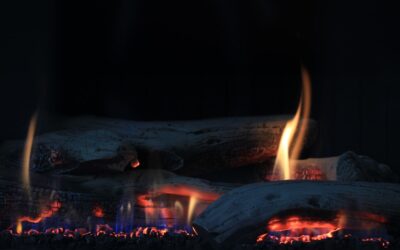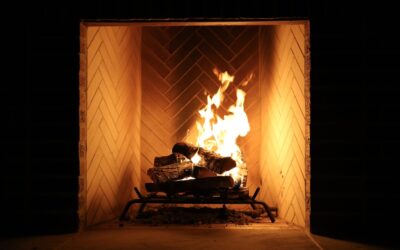
A gas fire with the wrong logs looks like a burner under a pile of painted rocks. The right artificial fireplace logs catch the flame, glow at the edges and fool most guests into thinking a real fire is crackling away. What separates the two is the log material, how the logs suit your burner, and how carefully they are arranged.
Here is the quick version. If you have a working gas fireplace, you need logs made for direct flame contact: ceramic fiber logs are light, heat up fast and glow realistically, while refractory cement logs are heavier, more durable and carry deeper bark detail. If your fireplace is not in use at all, decorative logs made of birch, resin, painted concrete or lightweight foam can fill the opening for looks only. Those decorative pieces must never sit over a flame.
- Types of Artificial Fireplace Logs
- Ceramic vs Refractory: Which Material Fits Your Fireplace?
- Vented vs Vent-Free Log Sets
- How to Arrange Gas Fireplace Logs Correctly
- Signs Your Logs Need Replacing
- Cleaning and Care
- What Artificial Fireplace Logs Cost
- Safety Rules for Fake Log Fires
- When to Call a Pro
- Frequently Asked Questions
We break down each material, how to match logs to a gas burner, the right way to arrange them, what they cost, and the safety rules that keep a fake log fire looking good and burning clean.
Types of Artificial Fireplace Logs
Fake logs fall into two groups: logs that are designed to sit in a live gas flame, and logs that are purely decorative. Mixing those categories up is the most common and most dangerous mistake.
Ceramic fiber logs
Ceramic fireplace logs are molded from refractory ceramic fibers bonded together and hand painted. They weigh very little, so a full set is easy to lift and position. Because the material heats quickly, the surfaces glow orange within minutes of lighting, which gives a convincing ember look. The trade-off is fragility. Ceramic fiber chips if you knock it against the firebox, and it can shed small particles over time, so handle these logs gently and wear gloves when moving them.
Refractory cement logs
Refractory cement logs are cast from a heat-resistant concrete mix, often reinforced with steel or fiber. They are dense and heavy, sometimes several pounds per log, and they hold fine bark texture, knots and split ends well. They take longer to warm up and glow less at the surface, but they hold heat after the burner shuts off and stand up to years of use. Many vented gas log sets use refractory cement for the realistic detail.
Decorative logs for non-working fireplaces
Many homes have a fireplace that is sealed off, too damaged to use, or simply never lit. Decorative options include real birch logs stacked in the firebox, resin or polyurethane logs painted to look charred, and lightweight concrete pieces made for display. Some decorative sets include battery LED lights that flicker behind the logs. None of these are rated for flame. Real wood logs left in a firebox should be kept dry and checked for insects, and they should be removed if anyone ever plans to light the fireplace.
Ceramic vs Refractory: Which Material Fits Your Fireplace?
Both materials work well in a gas fireplace. The better choice depends on what you value most.
- Realism of glow: ceramic fiber wins. The surface reaches a bright ember glow fast.
- Bark detail and texture: refractory cement wins, with crisper molding.
- Durability: refractory cement resists chipping and handles bumps better.
- Weight and handling: ceramic fiber is far lighter and easier to arrange.
- Retained heat: refractory cement stays warm longer after shutdown.
The most important rule overrides any material preference: use the logs that are listed with your burner. Gas log sets are tested and certified as a complete system, burner plus logs plus embers, and swapping in random logs can change how gas burns. Poor fit can cause soot, flame impingement on the logs, and higher carbon monoxide output. If you are replacing logs on an existing burner, buy the replacement set the burner maker specifies.
Vented vs Vent-Free Log Sets
The style of gas burner also shapes which artificial fireplace logs you can use. Vented gas logs produce tall, yellow flames that wrap around the logs, and some soot is normal because the exhaust goes up an open chimney with the damper secured open. These sets often use larger refractory logs for a full wood fire look.
Vent-free gas logs burn with a cleaner, bluer flame because the exhaust stays in the room. Their logs are arranged so the flame does not touch them much, since flame contact creates soot and carbon monoxide. Vent-free logs are usually not interchangeable with vented logs, and vent-free sets come with strict placement diagrams. Check local codes too, because some areas restrict vent-free appliances.
How to Arrange Gas Fireplace Logs Correctly
Log placement is not just a matter of looks. Logs sit in specific notches or on pins so flames pass through gaps without striking log surfaces in the wrong spot. Follow the manufacturer’s diagram exactly. A typical arrangement goes like this:
- Turn the gas off at the appliance shutoff valve and make sure the burner and logs are completely cool.
- Wear gloves and a dust mask, especially with ceramic fiber logs.
- Vacuum the burner pan and firebox floor with a soft brush attachment. Clear any debris from burner ports.
- Spread sand or vermiculite over the burner pan if the kit calls for it, keeping it out of the burner ports and away from the pilot.
- Place the rear log first, seating it on the grate pins or rear notches shown in the diagram.
- Add the front log, then the cross logs or top logs in the order listed, matching each numbered log to its position.
- Scatter glowing embers (rock wool or a similar material) in small tufts over the burner where the manual allows. Too much material blocks ports.
- Add lava rock or decorative stones only in the areas shown, never over the pilot assembly.
- Restore gas, light the unit and watch the flame for several minutes. Flames should flow around the logs, not hit them head-on.
Snap a photo of the correct arrangement once it looks right. After the next cleaning, you can put everything back without guessing.
Signs Your Logs Need Replacing
Fake logs last a long time, but they do wear. Look for:
- Cracks deep enough to split a log or expose internal steel
- Heavy crumbling or loose fibers on ceramic logs
- Paint burned off to bare gray in large patches
- Heavy soot that returns quickly after cleaning, which may also point to a burner problem
- Logs that no longer sit in their notches because of chips or warping
Replace damaged logs with the matching set for your burner. If soot keeps building up, have the burner and air shutter checked before blaming the logs.
Cleaning and Care
Clean logs only when they are cold and the gas is off. Take them outdoors, then brush away loose soot with a soft paintbrush or dry cloth. Do not wash ceramic or refractory logs with water or cleaners, since moisture can crack them the next time they heat up. Avoid spray paint unless it is a high-heat product specifically recommended by the log maker. An annual service visit for the fireplace is a good time to have the logs checked and repositioned.
What Artificial Fireplace Logs Cost
Prices depend on material, size and whether the burner is included. As general ranges:
- Decorative logs for a non-working fireplace: tens of dollars for birch bundles to a few hundred for painted resin or concrete sets
- Replacement ceramic or refractory logs only: roughly one hundred to several hundred dollars
- Complete gas log set with burner and logs: a few hundred to over a thousand dollars
- Professional installation of a gas log set with new gas connection: several hundred dollars and up
A ceramic fireplace log set is a good upgrade if your current logs look dull and your burner maker offers a compatible ceramic option.
Safety Rules for Fake Log Fires
Any gas appliance carries risk if it is set up wrong. Keep these rules in mind:
- Never put decorative logs, real wood, pine cones or paper over a gas burner.
- Do not cover burner ports or the pilot with embers, sand or rock.
- Keep carbon monoxide alarms on every level and near sleeping areas, and test them monthly.
- If you smell gas, leave the house and call the gas utility or 911 from outside. Do not light the fireplace or use switches.
- Gas line connections and burner installation are licensed-pro work.
For decorative LED log sets, use the adapter or battery pack that came with the set, or one that is UL-listed and sized for the load with some headroom. Do not bunch, coil or bury LED wiring under logs or fabric, and keep light strips away from heat sources such as nearby space heaters. Remove batteries if the set will sit unused for months, and never leave damaged or swollen lithium batteries in place. If the fireplace is ever lit, remove all LED and decorative pieces first.
When to Call a Pro
Call a licensed gas technician if your logs need a new burner, if the pilot is not working, if flames look yellow and sooty on a vent-free set, or if a CO alarm sounds. A chimney professional should inspect any wood-burning fireplace before you convert it to gas logs, and a pro should check the damper and flue on vented sets.
Frequently Asked Questions
Are ceramic fireplace logs better than refractory cement logs?
Ceramic logs glow brighter and weigh less, while refractory cement logs are more durable with sharper bark detail. Choose the type listed for your burner.
Can I put fake logs in a wood-burning fireplace?
Decorative logs can fill an unused wood-burning fireplace for looks, but never light a fire with them inside. Gas log sets require a gas line and proper installation.
Why are my gas logs turning black?
Soot usually means flames are hitting the logs because of poor placement, or the burner needs adjustment. Recheck the arrangement diagram and call a technician if it continues.
Can I mix logs from different sets?
No. Gas logs are certified with a specific burner, and mixing sets can cause soot and higher carbon monoxide levels.
How long do artificial fireplace logs last?
With careful handling, many sets last ten years or more. Replace them when they crack, crumble or no longer sit correctly on the grate.