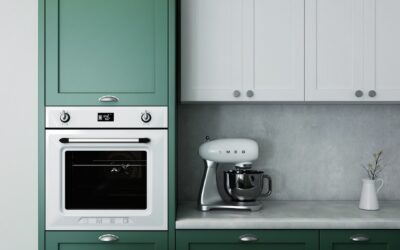
Repainting a vanity is the single cheapest way to transform a bathroom, and it takes a weekend, not a contractor. But the wrong bathroom cabinet paint colors can make a small room feel smaller or clash with tile you cannot change, so the choice deserves more thought than grabbing a leftover gallon. Beyond color, bathrooms demand paint that stands up to steam, splashes, and daily wiping, which means the product and prep matter as much as the shade. This guide covers the most flattering vanity colors, how to pick for your room’s size and light, and the finish that survives a humid bathroom.
Part of our Bathroom Remodeling & Flooring guide — explore the full guide →
- Why Bathroom Cabinets Have Special Requirements
- Timeless Whites and Warm Neutrals
- Bold Navy and Deep Blue
- Soothing Greens
- Moody Charcoal and Black
- Choosing for Room Size and Light
- The Right Paint and Sheen
- Coordinating Cabinet Color With Fixed Elements
- Two-Tone Vanities and Trend Longevity
- Prep Is Everything
- Painting the Interior and Small Details
- How Long a Painted Vanity Lasts
- Final Thoughts
Why Bathroom Cabinets Have Special Requirements
A bathroom is the harshest room in the house for paint. Constant humidity, temperature swings from hot showers, and frequent contact with water and cleaning products will peel or discolor an ordinary wall paint fast. Cabinet paint here has to be tough, moisture-resistant, and washable.
That means color is only half the decision. You will want a durable enamel or cabinet-specific paint in a satin or semi-gloss sheen, applied over properly primed surfaces. Get that foundation right, and any color you love will hold up. Ignore it, and even the prettiest shade fails within a year.
Timeless Whites and Warm Neutrals
White remains the most popular vanity color because it feels clean, brightens small spaces, and pairs with any tile or wall color. The trick is choosing a white with the right undertone for your room.
- Benjamin Moore White Dove (OC-17): a soft, warm white that avoids the cold, clinical look.
- Sherwin-Williams Alabaster (SW 7008): creamy and forgiving, flattering in low-light baths.
- Behr Swiss Coffee: a gentle off-white for a cozy, less stark feel.
Warm greiges like Sherwin-Williams Accessible Beige also work beautifully on vanities, giving a soft, spa-like neutrality that hides water spots better than bright white.
Bold Navy and Deep Blue
Navy has become the go-to statement color for vanities, and for good reason. It reads as sophisticated and timeless, pairs stunningly with white counters and brass or matte-black hardware, and hides the inevitable water splashes far better than light colors.
- Benjamin Moore Hale Navy (HC-154): the classic vanity navy, rich without going black.
- Sherwin-Williams Naval (SW 6244): a deep, saturated blue that anchors a bright bathroom.
- Behr Dark Navy: a bold, dramatic option for a modern powder room.
Navy works especially well in bathrooms with plenty of white tile, marble, or a large mirror to balance the depth.
Soothing Greens
Green has surged in popularity for vanities because it feels fresh, natural, and calming, exactly the mood a bathroom should evoke. Sage and muted greens are the most versatile, while deeper greens make a luxe statement.
- Sherwin-Williams Evergreen Fog (SW 9130): a gray-green that is cozy and current all at once.
- Benjamin Moore October Mist (1495): a soft, silvery sage that pairs with almost any tile.
- Farrow and Ball Green Smoke: a moody, smoky green for a dramatic vanity.
Moody Charcoal and Black
For a bold, modern look, charcoal and black vanities are striking, especially against white subway tile or a light floor. Dark cabinets hide dirt and water spots exceptionally well, making them practical for busy family bathrooms despite their dramatic appearance. Benjamin Moore Cheating Heart and Sherwin-Williams Tricorn Black are popular choices. Balance the darkness with plenty of light-colored surfaces, good lighting, and metallic hardware so the room does not feel like a cave.
Choosing for Room Size and Light
Your bathroom’s size and natural light should steer the decision. In a small or windowless bath, lighter colors, warm whites, soft greiges, pale greens, keep the space feeling open and airy. Darker, moodier colors can make a tiny room feel cramped unless you commit fully and add strong lighting.
Larger bathrooms with good natural light can carry deep navy, charcoal, or forest green with ease, since the room has the volume and brightness to balance the drama. Always consider what you cannot change, too: match your vanity color to the existing tile and countertop undertones so the whole room reads cohesive.
The Right Paint and Sheen
Product choice determines whether your paint job lasts two years or ten. For cabinets in a humid bathroom, use a durable enamel or a dedicated cabinet paint rather than standard wall paint.
- Satin: a soft sheen with good moisture resistance; the safe all-purpose choice.
- Semi-gloss: the most durable and easiest to wipe clean; ideal for cabinets that get splashed often.
- Avoid flat and matte: they absorb moisture and stain, and cannot be scrubbed.
Quality options include Benjamin Moore Advance, a waterborne alkyd that cures hard and smooth, and Sherwin-Williams Emerald Urethane Trim Enamel, both formulated to resist moisture and scrubbing.
Coordinating Cabinet Color With Fixed Elements
Unlike wall paint, a vanity has to live alongside things you cannot easily change, tile, countertop, flooring, and hardware. Choosing a cabinet color in isolation is how people end up with a beautiful navy vanity that clashes with warm-toned floor tile. Start by identifying the undertones in your fixed elements and pick a cabinet color on the same temperature side.
- Warm cream or beige tile: pairs with warm whites, greiges, sage, or warm navy.
- Cool gray tile or quartz: works with cool grays, crisp whites, and true navy.
- Marble with gray veining: flatters charcoal, cool white, and deep green.
- Wood-look flooring: warm greens, navy, and warm neutrals feel natural against wood tones.
Hardware is your chance to tie it all together. Brass and gold warm up navy and green vanities, matte black grounds white and gray cabinets with a modern edge, and brushed nickel offers a safe, neutral bridge that suits almost any color.
Two-Tone Vanities and Trend Longevity
A popular modern approach is the two-tone bathroom, where the vanity wears a bold or dark color while the walls, trim, and upper cabinetry stay light. This lets you enjoy a dramatic navy or green vanity without darkening the whole room, and it keeps a small bathroom feeling open. The lower vanity anchors the space visually while the light surroundings keep it airy.
When weighing a trendy color, think about how long you want to live with it. Classic navy, soft sage, and warm white have proven staying power and rarely feel dated. Bolder or more of-the-moment shades can look fresh now but may feel tired in a few years. Because repainting a vanity is a weekend project rather than a renovation, you can afford to take more risk here than on tile or a countertop, so choose a color you genuinely love rather than one you feel obligated to pick.
Prep Is Everything
The biggest reason painted vanities fail is skipped prep. To get a lasting finish, follow these steps.
- Remove doors and hardware. Label everything so reassembly is painless.
- Clean thoroughly. Degrease with a strong cleaner to strip off soap film, hairspray, and oils.
- Sand lightly. Scuff the surface with 150-grit so the primer grips.
- Prime with a bonding primer. Essential on slick, factory-finished, or laminate cabinets.
- Apply two thin coats. Thin coats level better and cure harder than one thick one.
- Let it cure fully. Wait several days before heavy use, since enamel keeps hardening for weeks.
Painting the Interior and Small Details
A vanity refresh is not just about the door fronts. Deciding whether to paint the cabinet interior, the toe kick, and the inside of the doors affects the finished look. Many homeowners leave the interior unpainted to save time, but coating the inside faces of the doors and the visible front edges gives a much more polished, built-in result. If the interior shelving is worn, a coat of the same durable enamel makes the whole piece feel new.
Do not overlook the small details that read as quality. Fill old hardware holes and drill fresh ones if you are switching from knobs to pulls, caulk any gaps where the vanity meets the wall for a seamless look, and touch up the toe kick, which collects scuffs and moisture. These finishing touches separate a professional-looking vanity from an obvious weekend paint job.
How Long a Painted Vanity Lasts
Done properly, a painted bathroom vanity holds up for many years, often as long as the original factory finish. The keys to longevity are the durable enamel, thorough prep, and full cure time. Rushing any of these is what leads to chipping and peeling within a year, which is where painted cabinets get their undeserved bad reputation.
To protect your work, avoid harsh abrasive cleaners that can dull the finish, wipe up standing water promptly, and give the paint the full curing period, often two to four weeks, before scrubbing it hard. During that window the enamel is still hardening, so treat it gently. With reasonable care, a quality painted vanity resists the daily splashes and humidity of a bathroom and stays looking sharp far longer than most homeowners expect.
Final Thoughts
The best bathroom cabinet paint color is one that flatters your tile, fits your room’s size and light, and hides the water spots of daily life. Timeless whites and warm greiges keep small baths bright, navy and green deliver sophisticated character, and charcoal makes a bold, practical statement. Whatever shade you choose, pair it with a durable enamel in satin or semi-gloss and never skip the cleaning, sanding, and priming. Do the prep, pick the right finish, and a single weekend and one gallon of paint can make your bathroom look brand new.