A single bold wall can do more for a bathroom than a full renovation. A well-designed bathroom feature wall draws the eye, adds texture and color, and makes even a compact powder room feel deliberate and high-end. Best of all, because you are only finishing one wall, you can use premium materials you would never afford across the whole room.
- Choose the Right Wall to Feature
- Tile: The Classic High-Impact Choice
- Wood Paneling and Slats for Warmth
- Paint and Wallpaper for Budget Drama
- Stone and Concrete for a Spa Feel
- Matching the Wall to Your Bathroom Size
- Pairing the Feature Wall With the Rest of the Room
- Don't Skip Waterproofing and Lighting
The key is choosing the right wall to feature and a material that holds up to a humid environment. Get those two decisions right and you can transform a plain bathroom in a single weekend for a few hundred dollars.
Choose the Right Wall to Feature
Not every wall earns the spotlight. The strongest feature wall is the first surface you see when you walk in, or the wall behind the vanity where it frames the mirror. In a small bathroom, the wall behind the toilet can also work because it anchors an otherwise awkward corner.
Avoid making the shower surround your only feature wall unless you commit to fully waterproof materials. The best results come from a wall that is visible the moment you enter and stays mostly dry, so your material choices are wide open.
Tile: The Classic High-Impact Choice
Tile remains the most popular feature wall material because it is waterproof, durable, and available in endless patterns. A few directions that consistently look sharp:
- Vertical subway tile in a glossy deep green or navy for a modern twist on a classic
- Zellige or handmade-look tile for organic texture and subtle color variation
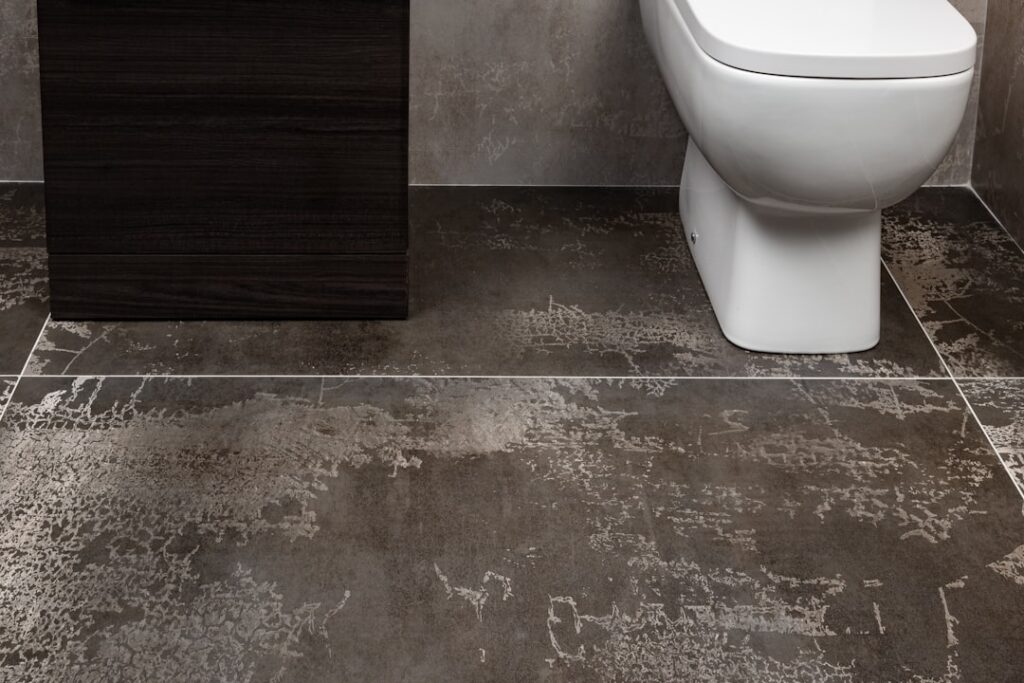
- Large-format porcelain slabs for a seamless, grout-light marble look
- Geometric or fish-scale mosaic for a bold statement behind the vanity
Expect to pay $3 to $15 per square foot for quality wall tile, with handmade and natural stone options climbing higher. Budget another $5 to $12 per square foot if you hire a tile setter, or save that by doing the work yourself with a notched trowel and a tile cutter.
Wood Paneling and Slats for Warmth
If tile feels too cold, wood adds instant warmth and dimension. Vertical slat panels, beadboard wainscoting, or shiplap bring texture without the labor of tiling. For a bathroom, always choose moisture-resistant materials: MDF rated for damp areas, PVC slat panels, or a naturally water-tolerant wood like cedar.
Seal any real wood with a marine-grade polyurethane or a quality satin enamel to protect against humidity. A slat accent wall behind the vanity, finished in a warm walnut tone, has become one of the most requested looks in modern bathroom design.
Paint and Wallpaper for Budget Drama
The cheapest feature wall is also one of the most effective. A single gallon of bathroom-rated paint, around $40 to $55, covers an accent wall in a deep, saturated color like charcoal, emerald, or terracotta. Use a satin or semi-gloss finish so the surface resists moisture and wipes clean.
Peel-and-stick wallpaper has made bold patterns achievable for renters and beginners. Choose a vinyl or vinyl-coated wallpaper designed for humidity, and run the exhaust fan diligently to keep the adhesive from loosening. A textured grasscloth-look or moody botanical print can carry the entire design of a small bathroom.
Stone and Concrete for a Spa Feel
For a luxurious, organic look, stacked stone veneer or a microcement finish turns a wall into a spa centerpiece. Manufactured stone veneer panels install with mortar over a cement backer board and run $8 to $20 per square foot. Microcement, a troweled-on polished concrete coating, gives a seamless, contemporary surface but is best left to an experienced installer.
Both materials handle humidity well when sealed correctly. Just account for their weight: stone veneer in particular needs a solid backer and proper support, so confirm the wall structure before you start.
Matching the Wall to Your Bathroom Size
Scale matters when you commit a whole wall to a bold material. In a small powder room, a single dramatic feature wall can carry the entire design, so you can splurge on an expensive handmade tile or a bold wallpaper without breaking the budget, since the square footage is tiny. A 5-by-8-foot wall takes only about 40 square feet of material.
In a larger primary bathroom, the feature wall needs enough presence to register against all the surrounding surfaces. Pick a wall that anchors a key fixture, such as a freestanding tub or a double vanity, and use a material with real texture or depth so it does not get lost. Large-format tile or a floor-to-ceiling slat wall holds its own in a big room where a small accent would feel timid.
Pairing the Feature Wall With the Rest of the Room
A feature wall should stand out without clashing. Keep the other three walls quiet, in a neutral paint or simple white tile, so the focal wall gets the attention. Pull one color from your feature material into the room’s accents, like towels, a vanity finish, or a paint color, to tie the whole space together.
Balance is everything. If the feature wall is busy and textured, keep the flooring and countertops calm. If the wall is a deep solid color, you have more room to introduce pattern in the floor tile or a vanity. This give-and-take keeps the bathroom feeling designed rather than chaotic, and it is the detail that separates a professional-looking result from an overdone one.
Don’t Skip Waterproofing and Lighting
Any feature wall in a bathroom must respect the moisture in the room. Even a dry-zone accent wall benefits from a moisture-resistant primer and the right paint sheen. If your wall touches the shower or tub splash zone, install a waterproof membrane like RedGard over cement board before tiling.
Finish the project with lighting that flatters the material. A pair of sconces or a backlit mirror washes light across the wall and highlights its texture. With the right material, proper waterproofing, and a little lighting, a bathroom feature wall delivers the biggest visual payoff per dollar of any project in the room.