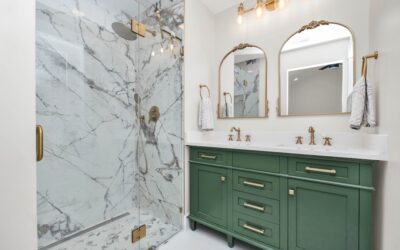
Few upgrades transform a bathroom as quickly as a fresh tub surround. The best bathtub enclosure ideas blend everyday function with a look you actually enjoy stepping into each morning. Whether you have a cramped guest bath or a roomy primary suite, the enclosure you choose shapes how the entire space feels, cleans, and holds up over time.
Part of our Bathroom Remodeling & Flooring guide — explore the full guide →
Below you will find a range of approaches, from budget-friendly weekend projects under $300 to fully tiled wet rooms that can run $4,000 or more. Each option includes the trade-offs so you can match the design to your skills, your floor plan, and your wallet.
- Glass Sliding Door Enclosures
- Tiled Tub Surrounds
- Acrylic and Composite Wall Panels
- Open Walk-In and Wet Room Layouts
- Shower Curtain Enclosures Done Right
- Choosing the Right Materials and Finishes
- Budgeting and Installation Tips
- Small Bathroom Tricks That Make Enclosures Feel Bigger
- Keeping Your Enclosure Clean and Mold-Free
Glass Sliding Door Enclosures
A framed or frameless glass slider is the workhorse of modern tub-shower combos. Sliding panels save floor space because nothing swings outward, which matters in bathrooms narrower than 60 inches. Standard kits fit a 60-inch tub opening and cost roughly $250 to $700 for semi-frameless aluminum, while heavy 3/8-inch frameless glass climbs to $900 to $1,800 installed.
Go frameless if you want that open, almost-invisible look and you are willing to squeegee after each use to fight water spots. Choose a framed or semi-frameless unit if low maintenance matters more than the sleekest profile. Matte black and brushed gold hardware have largely replaced shiny chrome over the past few years, and either pairs well with white subway tile.
Tiled Tub Surrounds
Tile remains the most customizable enclosure surface, and it reads as a clear upgrade to buyers. You can run a classic 3-by-6-inch subway tile straight to the ceiling, set large-format 12-by-24-inch porcelain for fewer grout lines, or create a feature niche with mosaic accents.
Budget around $7 to $25 per square foot for the tile itself, plus $10 to $15 per square foot for professional installation over a properly waterproofed backer board. A typical three-wall surround covers about 100 to 130 square feet. Skipping the waterproofing membrane is the single most common mistake here, and it leads to mold and rotted studs within a few years.
- Subway tile: timeless, forgiving for DIY, inexpensive.
- Large-format porcelain: fewer grout lines, easier to clean, heavier to set.
- Natural stone: luxurious marble or travertine, but it needs sealing every 12 to 18 months.
Acrylic and Composite Wall Panels
If grout cleaning fills you with dread, solid panel systems are worth a serious look. Acrylic and PVC composite kits snap together with just a few seams, and many handy homeowners install them in a single weekend. Brands like Sterling, Swanstone, and DreamLine sell three-piece sets for $300 to $1,200 depending on thickness and finish.
Newer panels mimic the look of marble veining or stacked stone convincingly enough that guests rarely notice they are not real tile. The non-porous surface wipes clean with a cloth and resists mildew far better than grout joints. The trade-off is resale perception, since some buyers still view solid surrounds as a step below tile.
Open Walk-In and Wet Room Layouts
For a high-end, spa-inspired feel, consider pairing a freestanding or alcove tub with a single fixed glass panel instead of a full enclosure. This half-wall approach keeps sightlines open and makes a 5-by-8-foot bathroom feel larger.
True wet rooms take it further by waterproofing the entire room and sloping the floor toward a linear drain, so the tub and shower share one continuous space. Wet rooms are gorgeous but demanding: expect $5,000 to $15,000 because the whole floor and walls need a tanked membrane. They work best in new builds or full gut renovations rather than quick refreshes.
Shower Curtain Enclosures Done Right
Do not dismiss the humble curtain. A well-chosen rod and fabric panel can look intentional rather than dated, and it is by far the cheapest option at $40 to $150 total. The key is scale and quality.
- Mount a curved or D-shaped rod to add 4 to 6 inches of elbow room inside the tub.
- Hang the curtain about 75 to 84 inches high so it grazes the floor, which makes the ceiling feel taller.
- Use a weighted hem and a clear or heavyweight liner to keep water inside the basin.
This route is ideal for renters and for anyone testing a color scheme before committing to permanent finishes.
Choosing the Right Materials and Finishes
Once you settle on a format, narrow your finishes around three factors: humidity, light, and how much cleaning you will realistically do. Bathrooms with poor ventilation favor non-porous panels and mildew-resistant grout. North-facing rooms with little natural light brighten up with white or pale tile and a glossy surface that bounces light around.
Coordinate the enclosure hardware with your faucet and towel bars for a pulled-together result. Mixing two metal tones can look deliberate, but stick to no more than two across the whole room. If you plan to age in place, leave blocking in the walls now so grab bars can be added later without tearing into finished tile.
Budgeting and Installation Tips
Before you buy anything, measure the tub opening at the top, middle, and bottom, since older walls are rarely square. A difference of even half an inch changes which door kit or panel system will fit cleanly. Order tile with 10 to 15 percent extra to cover cuts and future repairs.
Many surrounds are weekend-friendly, but a few jobs justify hiring a pro: cutting and tempering glass, soldering new plumbing, and waterproofing a wet room. A licensed installer typically charges $45 to $90 per hour in most US metros, and a fully tiled surround runs $1,500 to $4,500 in labor and materials combined. Get at least two quotes, confirm the contractor carries liability insurance, and ask to see photos of past tub projects.
Small Bathroom Tricks That Make Enclosures Feel Bigger
If your bathroom is on the tight side, a few visual choices stretch the space without moving a single wall. Run the same tile from the tub surround up to the ceiling to draw the eye upward and erase the line where wall meets enclosure. Clear frameless glass beats a frosted or framed door every time in a small room because it lets light pass straight through instead of stopping at an opaque panel.
Light, monochromatic color schemes also help. A white-on-white tub, wall, and grout combination reads as one continuous surface rather than a busy patchwork, which tricks the eye into reading more square footage. Recessed niches built into the wall keep shampoo bottles off the tub ledge, so the enclosure looks clean and uncluttered even in a 5-by-7-foot guest bath.
Keeping Your Enclosure Clean and Mold-Free
The most beautiful surround loses its charm fast if mildew creeps into the corners. Build cleaning into your routine and you will rarely face a deep scrub.
- Run the exhaust fan during every bath or shower and leave it on for 20 minutes afterward to pull humidity out.
- Keep a squeegee hooked inside the enclosure and run it down glass panels after each use to stop hard-water spots.
- Wipe grout lines weekly with a mild vinegar solution, and reseal cement grout once a year to keep it water-tight.
- Replace silicone caulk at the tub-to-wall joint the moment it discolors, usually every two to three years.
With a clear budget and the right enclosure style, you can turn a tired tub into the cleanest, most inviting corner of your home. Start with the layout that fits your space, then layer in the materials and hardware that match how you actually live.