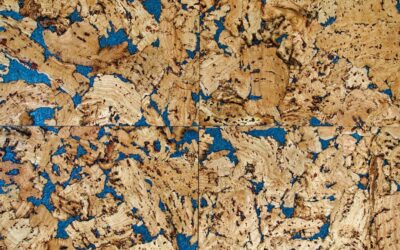
Cork has a reputation for warm, honey-toned naturalness, so most people are surprised that it comes in dramatic dark shades too. Black cork flooring pairs the soft, quiet, eco-friendly qualities cork is known for with a moody, contemporary look that anchors modern interiors. It’s a niche choice, but for the right room it delivers something no other resilient floor quite matches. Here’s an honest look at how it performs, what it costs, and where it shines.
How Cork Gets Its Black Finish
Natural cork ranges from pale tan to medium brown, so true black is achieved through staining, tinting the binder, or applying a pigmented surface finish. Many “black” cork floors are actually deep charcoal or espresso with cork’s grain still visible beneath, which keeps the organic texture rather than flattening it into a solid color.
Because the color is applied rather than natural, the quality of the finish matters. A factory UV-cured finish resists fading and wear far better than a site-applied stain, so ask how the dark color was achieved before you buy.
The Real Advantages of Cork
Cork’s appeal goes well beyond looks. Harvested from the bark of cork oak trees without cutting them down, it’s one of the genuinely renewable flooring materials. Underfoot, it has a cushioned give that’s easier on your joints than tile or hardwood, and it absorbs sound, which makes it popular in apartments and home offices.
- Comfort: natural cushioning reduces fatigue when standing
- Sound dampening: absorbs footfall and echo
- Insulation: warmer underfoot than tile or stone
- Sustainability: harvested without harming the tree
- Resilience: bounces back from light impacts
Where Black Cork Works Best
Dark cork makes a powerful statement in modern, minimalist, and industrial spaces. It grounds a room with light walls and pale furniture, and it hides dust and minor scuffs better than pale cork. Home offices, media rooms, and contemporary living rooms are natural fits where the floor’s quiet, warm character pays off daily.
One caution: dark floors show lint, pet hair, and light-colored dust more readily than mid-tones, so a black cork floor needs regular dust-mopping to look its best. In bright, sunny rooms, the dark surface can also absorb heat and may fade unevenly if exposed to strong direct sun without a UV-stable finish.
The Downsides You Should Know
Cork is softer than wood or vinyl, which is both its charm and its weakness. Sharp furniture legs, dropped knives, and high heels can dent or gouge it, and pet claws may leave marks. Felt pads under furniture and area rugs in high-traffic lanes are essential maintenance, not optional.
Moisture is the other concern. While cork tolerates humidity better than you might expect, standing water can swell the seams of glue-down tiles or the core of floating planks. It’s workable in a powder room with care, but it’s not the floor for a frequently splashed bathroom or a basement with moisture issues.
Cost and Installation
Cork flooring generally runs $3 to $8 per square foot for material, with dark-stained and premium finishes at the higher end. Installation adds $2 to $5 per square foot, putting a typical installed floor at $5 to $13.
It comes two ways. Glue-down cork tiles bond directly to a prepped subfloor and offer the most water resistance at seams, while floating click-lock cork planks install over an underlayment like laminate, making them more DIY-friendly. Floating floors go faster; glue-down floors handle moisture-prone rooms slightly better.
Maintenance and Longevity
A well-finished cork floor lasts 15 to 25 years with reasonable care. Keep it clean with a dust mop and a damp (never wet) microfiber, and avoid harsh chemicals that can strip the finish. Every few years you may need to reapply a polyurethane or wax finish, especially in high-traffic areas where the topcoat wears thin.
Because cork compresses, rotate area rugs and furniture periodically so the floor wears evenly. Promptly wipe spills, since liquids left sitting can stain or swell the material at the seams.
Design Pairings That Work
Because black cork is such a strong visual anchor, the rest of the room should balance it. Light walls, in warm white or soft gray, keep the space from feeling cave-like, and natural wood or brass accents add warmth against the dark floor. The texture of cork reads softer than a glossy black tile, so it sits comfortably in both modern and transitional interiors.
Layering in area rugs serves double duty here: a patterned or light-toned rug breaks up the expanse of dark floor while protecting the cork in high-traffic lanes. In smaller rooms, pair black cork with plenty of natural light to avoid a closed-in feel, and consider it as an accent zone rather than wall-to-wall if you’re unsure about committing to so much dark surface.
Black Cork Versus Other Dark Floors
Stacked against other ways to get a dark floor, cork carves out a clear niche. Compared to dark hardwood, it’s softer underfoot, quieter, and more sustainable, though less durable against dents. Against black tile, cork is warmer, more comfortable to stand on, and far less cold, but it can’t match tile’s waterproofing.
Dark luxury vinyl plank is the closest competitor on price and water resistance, and it’s tougher than cork. What cork offers that vinyl can’t is the genuine cushioning, sound absorption, and renewable-material story. If those qualities matter to you, the trade-off in hardness is worth it.
Is Black Cork Right for You?
If you want a quiet, comfortable, eco-conscious floor with a striking dark look, black cork flooring delivers a combination few materials can match. Just go in clear-eyed about its softness and its appetite for dusting. Choose a factory UV-cured finish, keep it away from standing water, and protect it from sharp loads, and you’ll get a distinctive floor that feels as good as it looks.
Prefer to explore on your own?
See how new flooring looks in your actual room in seconds — free, no signup.
Try the free Floor Studio →