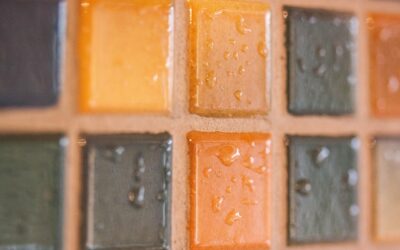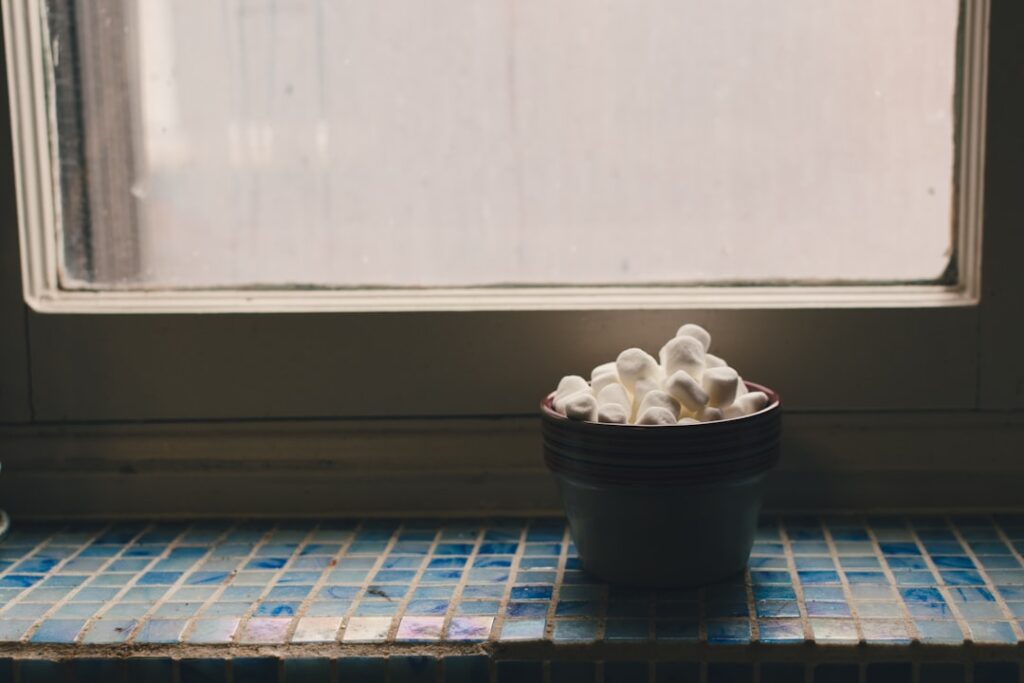
Grout is usually an afterthought, but a bold choice like blue grout turns those thin lines between tiles into a genuine design feature. Whether you want a subtle hint of color or a striking contrast that frames each tile, colored grout lets you personalize a backsplash, shower, or floor without changing the tile itself. It is one of the most affordable ways to add character to a tiled surface, as long as you choose and install it thoughtfully.
Part of our Tile & Grout guide — explore the full guide →
Why Choose Colored Grout
Standard white and gray grout fades into the background, which is sometimes exactly what you want. But colored grout actively shapes the look of an installation. A bold blue against white tile creates a crisp, graphic grid, while a soft blue with blue-toned tile blends for a cohesive, monochromatic feel.
There is a practical angle too. Light grout shows dirt and stains quickly, and over time it can look grubby no matter how often you clean it. A colored grout can hide soil better than bright white, keeping the surface looking fresh longer in busy areas.
Matching Blue Grout to Your Tile
The relationship between grout and tile determines the entire effect, so decide on your goal first.
- High contrast: Blue grout with white, light, or neutral tile emphasizes the pattern and shape of each tile for a bold, graphic look.
- Tonal blend: Blue grout with blue or blue-gray tile softens the lines for a seamless, sophisticated field.
- Accent pop: A bright blue grout with patterned or encaustic tile picks up one color in the design and ties it together.
Always test your combination with a sample board before committing, since grout color can look different wet versus dry and changes again once it cures.
Choosing the Right Shade of Blue
Blue spans a huge range, and the shade sets the mood. Navy and deep indigo read classic and dramatic, pairing well with white subway tile for a timeless contrast. Slate and gray-blue feel understated and modern. Brighter aquas and teals bring energy, ideal for a playful backsplash or a coastal-inspired bath.
Consider the room’s light and palette. Cooler blues reinforce a crisp, contemporary scheme, while muted blue-grays bridge warm and cool decor. View the grout sample in the actual space at different times of day before you finalize.
Sanded vs. Unsanded Grout
Beyond color, the grout type must match your joint width and tile, and this is where many DIY projects go wrong.
- Sanded grout: Contains fine sand for strength; use it for joints wider than about 1/8 inch.
- Unsanded grout: Smoother and better for narrow joints under 1/8 inch and for scratch-prone tiles like polished stone and glass.
- Epoxy grout: A premium option that is highly stain- and water-resistant, with consistent color and no sealing required, though it is harder to install.
For consistent color, especially with a bold blue, epoxy or a quality pre-mixed colored grout reduces the streaking and shade variation that can plague mixed cement grout.
Installation and Sealing Tips
Colored grout demands a bit more care than plain gray, because mistakes show. Keep these points in mind:
- Mix cement grout to a consistent ratio across every batch, since varying water content changes the final shade.
- Work in manageable sections and clean haze off the tile promptly before it sets and stains the surface.
- Be especially careful with porous or textured tile, which can absorb pigment; seal such tiles first if recommended.
- Let cement grout cure fully, then seal it to lock in color and resist stains and moisture.
Epoxy grout skips the sealing step but cures fast and is less forgiving during cleanup, so work efficiently or consider hiring a pro for a flawless result.
Care and Long-Term Maintenance
Once installed, colored grout is easy to live with. Clean tiled surfaces with a pH-neutral cleaner and avoid harsh acids and abrasive scrubbing that can wear the grout and dull its color. For cement grout, reseal periodically to maintain stain resistance and keep the blue looking saturated.
In wet areas like showers, good ventilation and routine cleaning prevent mildew along the grout lines. Address any cracked or missing grout promptly to keep water from getting behind the tile.
Where Blue Grout Works Best Around the Home
Some spaces show off colored grout better than others, and matching the location to the effect keeps the result tasteful rather than overwhelming. Kitchen backsplashes are an ideal canvas, since the area is small enough that a bold grout reads as a deliberate accent rather than a flood of color. Bathroom walls and showers also suit blue grout, especially paired with white or blue tile for a clean, spa-like feel.
Floors are a different consideration. Blue grout on a floor can look stunning with patterned or encaustic-style tile, but remember that floor grout sees more dirt and traffic, so a mid-tone blue hides soil better than a very light one. Think through the application:
- Backsplashes: Low-risk, high-impact; great for trying a bold shade.
- Showers and baths: Cohesive with blue or white tile; choose a mildew-resistant, sealed grout.
- Accent walls and fireplaces: A statement that frames each tile.
- Floors: Effective with patterned tile; lean toward mid-tones for practicality.
Scale matters as much as location. In a large room, an entire wall of high-contrast blue grout can feel busy, so consider reserving the bold treatment for a focal area and using a subtler grout elsewhere. Pairing the right shade and intensity with the right space is what makes blue grout feel like a designer touch instead of a gimmick.
Is Blue Grout Right for You?
If you want to add personality to a tiled surface affordably, blue grout is a fun, high-impact choice. Decide whether you want bold contrast or a tonal blend, pick a shade that suits your light and palette, and match the grout type to your joint width and tile. Test a sample, install carefully, and seal as needed, and you will have a distinctive, durable detail that sets your space apart.