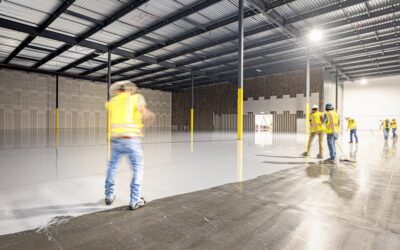
Hiring the right commercial flooring contractors can make the difference between a project that runs smoothly and one that becomes a costly nightmare. Commercial flooring projects involve larger areas, stricter timelines, more complex materials, and higher stakes than residential work. The contractor you choose needs to have the experience, equipment, and project management skills to handle these demands.
This guide walks you through the entire process of finding, evaluating, and hiring commercial flooring contractors, from initial research through project completion. Whether you are outfitting a new office, renovating a retail space, or reflooring a warehouse, these insights will help you make a confident hiring decision.
- What Commercial Flooring Contractors Do
- When You Need a Commercial Flooring Contractor
- How to Find Qualified Commercial Flooring Contractors
- Evaluating Commercial Flooring Contractors
- The Bidding Process
- Project Management Expectations
- Commercial Flooring Costs by Type
- Common Mistakes to Avoid
- Questions to Ask Potential Contractors
- Final Thoughts
What Commercial Flooring Contractors Do
Commercial flooring contractors specialize in installing, repairing, and maintaining flooring systems in business and institutional settings. Their scope of work typically includes demolition of existing flooring, subfloor preparation and repair, moisture testing and mitigation, material procurement, installation, and finishing.
Unlike residential flooring installers who might work with one or two material types, commercial contractors work across the full spectrum of flooring products. This includes carpet tile, commercial vinyl, epoxy coatings, rubber flooring, hardwood, polished concrete, ceramic and porcelain tile, and specialty products like raised access flooring and anti-static systems.
When You Need a Commercial Flooring Contractor
New Construction
New commercial buildings need flooring contractors who can coordinate with general contractors, meet construction schedules, and work in active construction environments. The flooring phase typically occurs near the end of construction, so timing is critical and delays can hold up the entire project.
Tenant Improvements
Office and retail tenant buildouts frequently require new flooring to match the incoming tenant’s brand and functional requirements. These projects often have tight deadlines driven by lease commencement dates and must be coordinated with other trades working simultaneously.
Renovations and Replacements
Existing commercial spaces periodically need flooring replacement due to wear, damage, or aesthetic updates. These projects may need to be completed in phases to minimize business disruption, requiring contractors who can manage phased installations efficiently.
Specialty Installations
Healthcare facilities, laboratories, clean rooms, commercial kitchens, and industrial plants have specialized flooring requirements that demand contractors with specific expertise and certifications. These projects often require seamless, antimicrobial, chemical-resistant, or ESD-compliant flooring systems.
How to Find Qualified Commercial Flooring Contractors
Industry Associations
Start your search with professional organizations like the Floor Covering Installation Contractors Association (FCICA) and the International Certified Flooring Installers Association (CFI). Members of these organizations commit to professional standards and continuing education.
Manufacturer Referrals
If you have already selected a flooring product, the manufacturer can often recommend certified installers in your area. Many manufacturers maintain networks of trained and authorized contractors who are qualified to install their products and maintain warranty coverage.
General Contractor Recommendations
If you are working with a general contractor on a larger construction or renovation project, they will typically have established relationships with commercial flooring contractors. These established relationships often result in smoother project coordination and competitive pricing.
Online Research and Reviews
Business review platforms, construction industry directories, and local business organizations can help you identify commercial flooring contractors in your area. Look for contractors with commercial project portfolios rather than those focused primarily on residential work.
Evaluating Commercial Flooring Contractors
Licensing and Insurance
Verify that the contractor holds the appropriate state and local licenses for commercial flooring work. Confirm they carry general liability insurance (minimum $1 million recommended), workers’ compensation insurance, and commercial auto insurance. Request certificates of insurance and verify them directly with the insurance carrier.
Experience and Portfolio
Review the contractor’s portfolio of completed commercial projects, paying attention to projects similar in scale, material type, and building use to yours. Ask for references from recent commercial clients and follow up with them. A contractor with 20 years of residential experience but limited commercial work may not be the right fit for your project.
Certifications
Look for contractors with relevant certifications from flooring industry organizations and product manufacturers. CFI certification, NWFA certification for hardwood, and manufacturer-specific installation certifications demonstrate commitment to professional standards and ongoing training.
Safety Record
Request the contractor’s Experience Modification Rate (EMR) and OSHA incident logs. Commercial projects, especially in healthcare, education, and manufacturing environments, demand contractors with strong safety programs and clean safety records.
Financial Stability
Ensure the contractor is financially stable enough to purchase materials, pay workers, and complete your project without financial difficulty. Request references from material suppliers and ask about the contractor’s payment history. A contractor who cannot pay their suppliers may not be able to complete your project.
The Bidding Process
Preparing a Bid Package
Provide each bidding contractor with identical project information including floor plans with areas to be floored, material specifications or performance requirements, project timeline, site access restrictions, working hour limitations, and any special conditions or requirements.
Evaluating Bids
Do not automatically choose the lowest bid. Compare bids on an apples-to-apples basis, ensuring each includes the same scope of work, materials, preparation, and finishing. Look for itemized bids that break out material costs, labor, subfloor preparation, demolition, disposal, and overhead separately.
Red flags in bids include prices significantly below other bidders (may indicate corners will be cut), vague scope descriptions, missing items that other bidders included, and unrealistically short timelines.
Negotiating the Contract
Once you select a contractor, negotiate a detailed contract that covers the complete scope of work, material specifications, project schedule with milestones, payment terms tied to milestones, change order procedures, warranty terms, and dispute resolution processes. Never begin work without a signed contract.
Project Management Expectations
Pre-Installation
Expect your contractor to conduct a thorough site survey, perform moisture testing, submit material samples for approval, and provide a detailed installation schedule. Good commercial flooring contractors also coordinate with other trades working in the building to avoid conflicts.
During Installation
The contractor should provide a dedicated project manager or foreman who serves as your primary point of contact. Expect daily progress updates on larger projects, clean and organized work areas, proper storage and handling of materials, and adherence to the agreed schedule.
Post-Installation
After installation, the contractor should conduct a walk-through inspection with you, address any punch list items promptly, provide maintenance instructions and warranty documentation, and be available for warranty service if issues arise.
Commercial Flooring Costs by Type
Commercial flooring costs vary significantly by material type, project complexity, and geographic location. Here are general installed cost ranges for common commercial flooring products in 2026.
Commercial carpet tile runs $3 to $10 per square foot installed. Sheet vinyl and LVT cost $4 to $12 per square foot installed. Epoxy flooring ranges from $4 to $15 per square foot installed. Rubber flooring costs $5 to $14 per square foot installed. Porcelain and ceramic tile runs $7 to $20 per square foot installed. Hardwood costs $8 to $18 per square foot installed. Natural stone ranges from $10 to $30 per square foot installed.
These ranges include materials, installation labor, and basic subfloor preparation. Extensive demolition, moisture mitigation, and complex layouts can add $2 to $8 per square foot to any project.
Common Mistakes to Avoid
Choosing Based on Price Alone
The cheapest contractor bid often leads to the most expensive project overall. Low bids frequently result in change orders, substandard workmanship, project delays, and warranty issues that cost more to remedy than the initial savings.
Skipping Moisture Testing
Moisture-related flooring failures are the most common and costly problems in commercial flooring projects. Insist that your contractor performs comprehensive moisture testing before any flooring is installed, especially over concrete subfloors.
Inadequate Subfloor Preparation
Subfloor preparation accounts for a significant portion of a commercial flooring project’s labor cost, and contractors looking to cut corners often skimp here first. Inadequate preparation leads to premature flooring failure, voided warranties, and expensive replacement costs.
Unclear Change Order Procedures
Establish clear procedures for handling changes to the scope of work before the project begins. Without defined change order processes, disputes over additional costs and timeline extensions can derail an otherwise smooth project.
Questions to Ask Potential Contractors
When interviewing commercial flooring contractors, ask about their experience with your specific flooring material, their approach to subfloor preparation, how they handle unexpected conditions like moisture or structural issues, their warranty coverage, and how they manage project timelines. Also ask for a detailed explanation of their safety program and training requirements for their installation crews.
Final Thoughts
Hiring commercial flooring contractors requires more due diligence than most people expect. The investment in thorough vetting, proper bidding, and detailed contracts pays for itself many times over by preventing costly problems during and after installation. A qualified commercial flooring contractor is not just an installer but a project partner who brings expertise, problem-solving ability, and professional accountability to your flooring investment.
Take the time to find the right contractor, set clear expectations, and maintain open communication throughout the project. Your commercial floor will serve your business for years to come, and the quality of that service depends largely on the quality of the team that puts it in place.
Prefer to explore on your own?
See how new flooring looks in your actual room in seconds — free, no signup.
Try the free Floor Studio →