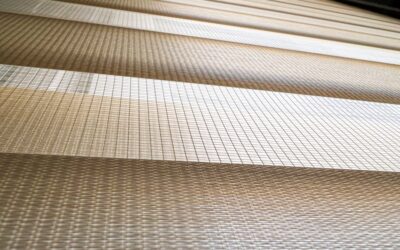
Double roller shades mount two separate fabric rollers on one bracket, letting you switch between a light-filtering sheer and a room-darkening blackout with a single window treatment. This guide covers how they work, fabric choices, sizing, installation, costs, and care so you can decide if this versatile layered system suits your rooms.
- What Double Roller Shades Are
- How the Dual-Fabric System Works
- Fabric and Opacity Choices
- Light Control and Privacy Balance
- Measuring for a Proper Fit
- Mounting Options Explained
- Operating Systems and Motorization
- How to Choose the Right Configuration
- Installation Walkthrough
- What They Cost
- Maintenance and Care
- Mistakes to Avoid
- Best Rooms for Double Roller Shades
- Color and Design Coordination
- Energy Efficiency Benefits
- Common Problems and Fixes
- Cassette and Fascia Options
- Child and Pet Safety
- Final Thoughts
What Double Roller Shades Are
Also called dual or day-night roller shades, this system stacks two independent roller shades on a shared headrail bracket. Typically one roller holds a sheer or light-filtering fabric and the other a room-darkening or blackout material. You operate each roller separately, choosing filtered daylight, full privacy, or complete darkness from the same window without swapping treatments.
How the Dual-Fabric System Works
The front roller usually carries the sheer fabric for soft, diffused light during the day, while the rear roller holds the opaque fabric you lower at night. Because each shade travels independently on its own tube, you can position them at any height. Some versions use a single banded fabric with alternating sheer and solid stripes, but true double rollers give the most flexibility.
Fabric and Opacity Choices
Sheer fabrics are rated by openness factor, commonly 1, 3, 5, or 10 percent, where a lower number blocks more light and offers more privacy. Pair a 3 to 5 percent sheer with a blackout backing for the classic day-night effect. Blackout fabrics stop nearly all light, ideal for bedrooms and media rooms, while light-filtering opaques soften glare without total darkness for living spaces.
Light Control and Privacy Balance
The genuine appeal is flexibility. Lower only the sheer to enjoy a bright room while cutting glare and maintaining daytime privacy from the street. At night, drop the blackout layer for full privacy and darkness. Remember that most sheers offer daytime privacy only; after dark, interior lights make sheer fabrics see-through, so the blackout layer is essential for evening seclusion.
Measuring for a Proper Fit
For an inside mount, measure the window opening width at the top, middle, and bottom, using the narrowest figure, and confirm you have at least 3 to 4 inches of depth for the dual brackets. For an outside mount, add 2 to 3 inches on each side and above the opening to minimize light gaps. Because two rollers need more projection, always verify depth before ordering.
Mounting Options Explained
Inside mounts sit cleanly within the window frame for a built-in look but require adequate depth for both tubes. Outside mounts attach to the wall or trim above the window, overlapping the opening to block more light, which is the better choice for maximizing darkness in bedrooms. Ceiling mounts are also possible for tall or specialty windows where wall space is limited.
Operating Systems and Motorization
Double roller shades come with corded, cordless, and motorized controls. Cordless lift is safest around children and pets and gives a clean look. Motorized options add remote, app, and voice control, and can run on rechargeable batteries or hardwired power. For a window you adjust often between sheer and blackout, motorization makes switching layers effortless throughout the day.
How to Choose the Right Configuration
Decide which fabric should face the room; most people put the sheer in front. Choose blackout backing for bedrooms and nurseries, and light-filtering for living areas. Match the openness factor to your privacy needs, favoring 3 to 5 percent for a good balance. Confirm frame depth supports two rollers, and consider motorization for hard-to-reach or frequently adjusted windows.
Installation Walkthrough
Installation mirrors a single roller shade but uses a deeper bracket. Mark and drill the bracket screws level, ensuring the front and rear tube positions clear the sill and trim. Snap both rollers into place, test the travel of each independently, and adjust the bracket if the fabrics rub. A standard window takes about 30 to 45 minutes with a drill, level, and screwdriver.
What They Cost
Double roller shades typically run $80 to $250 per window for standard sizes, depending on fabric quality and controls. Cordless adds a modest premium, and motorization can add $100 to $250 per shade. Custom sizes, premium blackout fabrics, and designer patterns push the top end higher. Professional measuring and installation usually adds $50 to $150 per window.
Maintenance and Care
Dust both fabrics regularly with a soft brush attachment or a microfiber cloth. Spot-clean marks with a damp sponge and mild soap, avoiding harsh cleaners that can damage coatings. Never fully immerse roller fabrics in water. Check the brackets seasonally for loosening screws, and lubricate motorized mechanisms only if the manufacturer recommends it to keep travel smooth.
Mistakes to Avoid
Do not order without confirming frame depth, since two tubes need more room than a single shade. Avoid choosing a sheer alone for a bedroom, expecting nighttime privacy it cannot provide. Do not skip outside mounts where light gaps matter. And resist corded lifts in homes with young children, since cordless and motorized options are far safer.
Best Rooms for Double Roller Shades
These shades earn their keep in rooms where light needs change through the day. Bedrooms benefit from the sheer-plus-blackout pairing for bright mornings and dark nights. Living rooms and home offices use the sheer to cut screen glare while keeping the view, then the opaque layer for evening privacy. Media rooms lean on the blackout layer for glare-free viewing. Street-facing rooms especially value the ability to stay bright yet private during daylight hours.
Color and Design Coordination
Because two fabrics show, coordinate them thoughtfully. A neutral sheer in white or greige pairs with almost any blackout color, keeping the look calm. For a bolder statement, match the blackout layer to an accent in the room. Consider how each fabric reads from outside too, since sheers glow at night. Cassette valances in white, bronze, or a matching fabric wrap hide the twin rollers for a clean, finished top edge.
Energy Efficiency Benefits
Layered shades add a modest insulating effect at the window. Lowering the blackout fabric on hot afternoons blocks solar heat gain and eases the cooling load, while closing it on cold nights slows heat loss through the glass. Though roller shades do not match the R-value of cellular honeycomb designs, the dual-layer setup still trims energy waste at the window, and light-blocking fabrics with a reflective backing improve that summertime performance noticeably.
Common Problems and Fixes
If a roller will not stay up, the spring tension likely needs adjusting, usually a simple pull-and-release reset per the instructions. Fabric that unrolls crooked points to an unlevel bracket, so recheck with a level. When the two shades rub against each other, the bracket depth may be too shallow; add a spacer or shift to an outside mount. Motorized shades that stop responding usually just need a battery recharge or a fresh remote pairing.
Cassette and Fascia Options
Because two rollers sit close together, a cassette or fascia valance greatly improves the finished look. A fascia is a flat front cover that hides the tubes and hardware across the top, while a fully enclosed cassette wraps the rollers and helps block light from spilling over the top edge. Both come in colors and finishes to match trim or blend with the fabric. Beyond aesthetics, an enclosed cassette also keeps dust off the rolled fabric, reducing how often you need to clean the shades.
Child and Pet Safety
Windows with dangling cords pose a real strangulation hazard to young children and pets, which is why cordless and motorized double roller shades are strongly recommended for family homes. Cordless lifts remove the risk entirely while giving a cleaner look, and motorized options add the convenience of remote or scheduled operation with no cords at all. If you inherit corded shades, install cord cleats to keep pulls high and tight. Prioritizing a cord-free design protects the household and meets modern safety guidelines.
Final Thoughts
Double roller shades give you the best of both worlds: filtered daylight and glare control when you want it, plus full privacy and darkness on demand. Match the fabrics to each room’s needs, verify your frame depth, and consider motorization for convenience, and you will gain a flexible, stylish window treatment that adapts from morning to night.