If your home was built before the 1960s and the wiring has never been touched, there is a good chance you still have one of those gray metal cans in the basement with screw-in glass plugs. Electrical fuse boxes served American homes faithfully for decades, but they were designed for a different era of electrical demand. Understanding what you have, how it works, and when it needs to go is one of the most important safety calls you will make as a homeowner. I have opened hundreds of these panels over the years, and the story they tell is almost always the same: a 60-amp service trying to run a house that now wants 200.
What a Fuse Box Actually Does
A fuse box is the central distribution point where incoming power from the utility splits out to the individual circuits in your home. Its job is protection. Each circuit is sized for a specific load, and the fuse is the sacrificial link that melts and breaks the connection when current exceeds the safe rating. That is the whole point. When too many amps flow through a 15-amp lighting circuit, the thin metal element inside the fuse heats up and burns through in a fraction of a second, killing the circuit before the wire in your walls gets hot enough to start a fire.
The trouble is that a blown fuse has to be physically replaced, and that simple inconvenience is where most fuse-box accidents begin.
Fuse Box vs. Circuit Breaker Panel
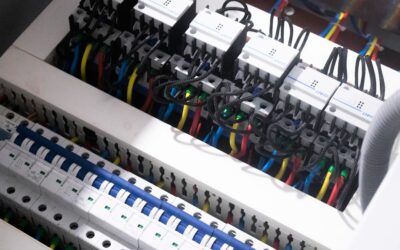
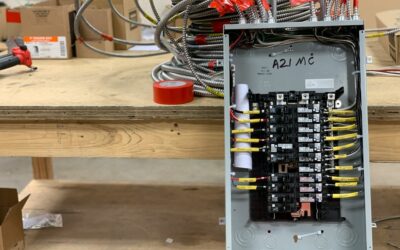
A modern breaker panel does the exact same job, but instead of a one-time-use fuse it uses a circuit breaker that trips and can be reset with the flip of a lever. Functionally, both protect the circuit. Practically, the differences matter a great deal.
- Resettable vs. replaceable: A tripped breaker resets in two seconds. A blown fuse means a trip to the hardware store, and people are tempted to grab whatever is in the junk drawer.
- Capacity: Most fuse boxes top out at 60 amps. A typical breaker panel handles 100 to 200 amps, which is what a modern home with central air, an electric range, and a dozen chargers actually draws.
- Safety features: Breaker panels accept GFCI and AFCI breakers that protect against shock and arc faults. Fuse boxes generally cannot.
- Insurability: Many insurers now surcharge or refuse to write policies on homes with 60-amp fuse service. That alone pushes a lot of upgrades.
The Common Fuse Types
If you are going to live with a fuse box, even temporarily, you need to recognize what is screwed into it.
Edison-Base (Plug) Fuses
These are the round screw-in fuses with a glass window so you can see the metal element. They thread into the same socket regardless of amperage, which is exactly the problem: nothing stops someone from screwing a 30-amp fuse into a socket protecting 14-gauge wire that should never see more than 15 amps.
Type S (Rejection-Base) Fuses
Type S fuses solve the mismatch issue. You install a permanent adapter sized to the circuit, and only a correctly rated fuse will thread into it. A 15-amp adapter physically rejects a 20- or 30-amp fuse. If you have an old Edison-base box, adding Type S adapters is a cheap, worthwhile safety improvement.
Cartridge Fuses
These cylindrical fuses handle larger loads, such as the main disconnect, the electric range, or a water heater. Ferrule-type cartridges cover roughly 30 amps and under, while knife-blade types handle 60 amps and up. They sit in a pull-out block you remove by hand.
Spotting an Old or Unsafe Box
Walk down to your panel and look for these warning signs. A 60-amp service rating, a box full of screw-in glass fuses, scorch marks or a burnt smell, fuses that feel warm, or multiple wires jammed under a single fuse terminal all point to a system living on borrowed time. The single most dangerous thing I find is an oversized fuse, a 30-amp plug protecting a 15-amp circuit. That defeats the entire purpose and turns the wire in your wall into the fuse.
An equally bad sign is the legendary penny-behind-the-fuse trick. Someone tired of replacing a blown fuse drops a copper coin in the socket to bypass the protection entirely. If you ever see that, treat the circuit as a fire waiting to happen and call an electrician immediately.
Why and When to Upgrade
Upgrading from a 60-amp fuse box to a 100- or 200-amp breaker panel is one of the best investments an older home can get. You should seriously consider it if any of the following apply:
- Your service is rated 60 amps and you have added central air, a hot tub, an EV charger, or an electric range.
- You blow fuses regularly, which usually means the panel is undersized for your real load.
- Lights dim when the AC or microwave kicks on.
- You are renovating, adding a room, or finishing a basement and need more circuits than the box has slots for.
- Your insurer flagged the panel.
For most homes, 100 amps is the practical minimum today and 200 amps is the comfortable standard, especially if you plan to add electric heating or vehicle charging down the road.
Ballpark Costs
Prices vary widely by region, panel size, and how much the service entrance and meter base need updating, but here is a rough frame of reference. A straightforward panel swap from fuses to a 100-amp breaker panel often runs in the neighborhood of $1,500 to $2,500. Stepping up to a 200-amp service, which may involve a new mast, meter base, and utility coordination, commonly lands between $2,500 and $4,000, and can climb higher if the wiring needs significant work or the utility has to upgrade the drop. Permit fees and an inspection are part of the total. These are estimates only; get itemized quotes from licensed contractors in your area.
Safety, Permits, and the Licensed Electrician Rule
Here is the part I will not soften. Panel and fuse work is not a DIY weekend project. You are working with live utility power upstream of any protection, and a mistake can be fatal or burn the house down. Any fuse box upgrade, panel replacement, or service change should be performed by a licensed electrician and pulled under a permit, with the work inspected per your local code. This is also how you keep your insurance valid and your home sellable.
If you are stuck living with a fuse box for now, follow two ironclad rules. First, never, ever replace a fuse with one of a higher amperage than the circuit is rated for. A 15-amp circuit gets a 15-amp fuse, period. A higher-rated fuse lets dangerous current flow through wire that cannot handle it, which is a textbook fire risk. Second, always cut the main and use one hand when pulling a cartridge block, keeping the other in your pocket and standing on a dry surface. When in doubt, stop and call a pro.
The Bottom Line
Fuse boxes are not inherently deadly, but they are obsolete, undersized for modern living, and far too easy to misuse. If you have one, get it inspected, add Type S adapters as a stopgap, and budget for a proper breaker panel upgrade with a licensed electrician. The peace of mind, the insurance compliance, and the capacity for a fully modern household are well worth the cost. Your future self, and everyone sleeping under your roof, will thank you.