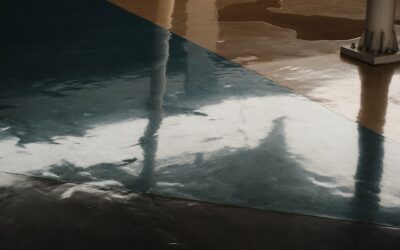
Repainting a pool is one of those projects where the result lives or dies on the prep work. Epoxy pool paint is the longest-lasting coating most homeowners can apply themselves, delivering a hard, chemical-resistant finish that can hold up for several years before recoating. But epoxy is unforgiving of shortcuts. Skip the surface preparation or rush the cure, and the coating will peel, blister, or chalk far sooner than it should. Done right, it transforms a faded, stained pool into a smooth, vibrant surface.
Part of our Epoxy, Concrete & Garage Floors guide — explore the full guide →
What Sets Epoxy Pool Paint Apart
Pool paints come in three main types: acrylic, rubber-based, and epoxy. Acrylic is the easiest to apply but the shortest-lived. Rubber-based paints sit in the middle. Epoxy is the most durable of the three, forming a hard, glossy film that resists chlorine, sunlight, abrasion, and chemicals far better than the alternatives. That longevity is why epoxy is the go-to for concrete and plaster pools that need a finish to last.
Most epoxy pool paints are two-part products, meaning you mix a base with a hardener before applying. The chemical reaction between the two is what creates the tough, cured film.
Where Epoxy Works Best
Epoxy pool paint bonds best to bare concrete, plaster, gunite, and previously epoxy-painted surfaces. It is not the right choice over chlorinated rubber or acrylic coatings unless those are fully removed first, because epoxy needs a compatible, properly prepared surface to adhere. If you are unsure what is currently on your pool, a simple solvent test can help identify the existing coating before you commit to epoxy.
For fiberglass or vinyl-lined pools, follow the manufacturer’s guidance, since not all epoxy products suit those substrates.
Surface Preparation Is Everything
The single biggest factor in a successful epoxy job is preparation. A clean, sound, properly etched surface is non-negotiable. The general prep sequence runs like this:
- Drain the pool completely and let it dry out.
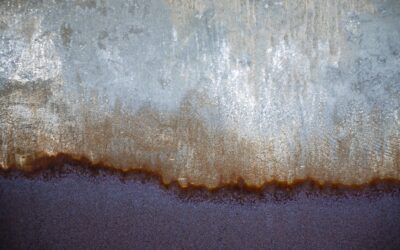
- Scrape and remove any loose, peeling, or incompatible old coating.
- Wash away dirt, oils, and organic growth with the appropriate cleaner.
- Acid-etch or sandblast bare concrete and plaster to open the pores for adhesion, following safety instructions for any acid you use.
- Rinse thoroughly and neutralize, then let the surface dry completely, often a matter of several days.
- Patch cracks and divots with a compatible filler and let repairs cure.
Moisture is the enemy. Applying epoxy over a damp surface is the most common cause of failure, so confirm the surface is fully dry before you open a can.
Safe Application Steps
Epoxy paint involves solvents and chemicals, so safety and method matter as much as the prep. Keep these points in mind:
- Work in dry, mild weather, ideally with surface temperatures in the range the manufacturer specifies.
- Wear gloves, eye protection, and a respirator rated for solvent fumes, and follow all label safety instructions.
- Mix the two parts thoroughly and respect any induction or sweat-in time before applying.
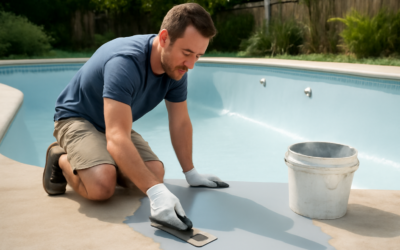
- Apply thin, even coats with a roller, working systematically across the surface.
- Allow the full recoat time between coats, usually applying two coats for best durability.
Never rush between steps. Epoxy that is overcoated too soon or too late can fail to bond properly.
Cure Time Before Filling
Patience pays off most at the end. After the final coat, epoxy pool paint needs an extended cure before the pool is refilled, often a week or more depending on the product and weather. Filling too early traps uncured solvents and ruins the finish. Check the manufacturer’s recommended cure time and add extra days in cool or humid conditions. When in doubt, wait longer.
Epoxy Pool Paint Cost
For a DIY job, the paint itself is the main expense. As general guidance, epoxy pool paint often runs from about $50 to $90 per gallon, and a typical residential pool may need several gallons per coat. Add prep materials such as acid etch, cleaners, patching compound, rollers, and safety gear, and a complete DIY project commonly lands in the range of a few hundred to roughly a thousand dollars. Hiring a pro raises the total considerably but removes the labor and the prep learning curve.
Estimating How Much Paint You Need
Buying the right amount of paint up front prevents the worst outcome, which is running short mid-coat and creating a visible lap line. Coverage varies by product and surface, but bare, porous plaster and concrete soak up far more paint on the first coat than a previously painted surface does. Always read the manufacturer’s stated coverage per gallon and treat it as a best case, then round up.
To size the job, calculate the pool’s interior surface area, including the floor, walls, and any steps or benches. A rough method adds the surface of the bottom to the surface of all the walls based on average depth and perimeter. Because you will apply at least two coats, double your single-coat estimate and add a margin for the thirsty first coat on raw surfaces. Having an extra gallon on hand is cheap insurance against a botched finish.
Timing the Project Around Weather
Epoxy is sensitive to temperature and humidity, so the calendar matters as much as the technique. Aim for a stretch of dry, mild weather with no rain in the forecast for several days, since moisture during application or early cure is a leading cause of failure. Most products specify a surface and air temperature window, commonly in the moderate range, and applying outside that band can slow the cure or prevent proper film formation.
Avoid painting in direct, blazing midday sun, which can flash the surface and trap solvents, and avoid cold snaps that stall curing. Early in a dry season, when temperatures are steady and rain is unlikely, is often the sweet spot. Building in buffer days for the long final cure before refilling keeps you from rushing the most failure-prone step.
Maintenance and Lifespan
A well-applied epoxy finish typically lasts several years before it needs recoating, longer than acrylic or rubber-based paints. Keep your water chemistry balanced, brush the pool regularly, and address chalking or fading as signs it is time to plan a recoat. When that day comes, an epoxy-over-epoxy refresh is usually simpler than the original job, provided the existing coating is still sound.
Epoxy pool paint rewards careful, methodical work with years of durable service. Respect the prep, the application method, the cure time, and the safety precautions, and you will get a smooth, long-lasting finish that makes the whole pool look new.